

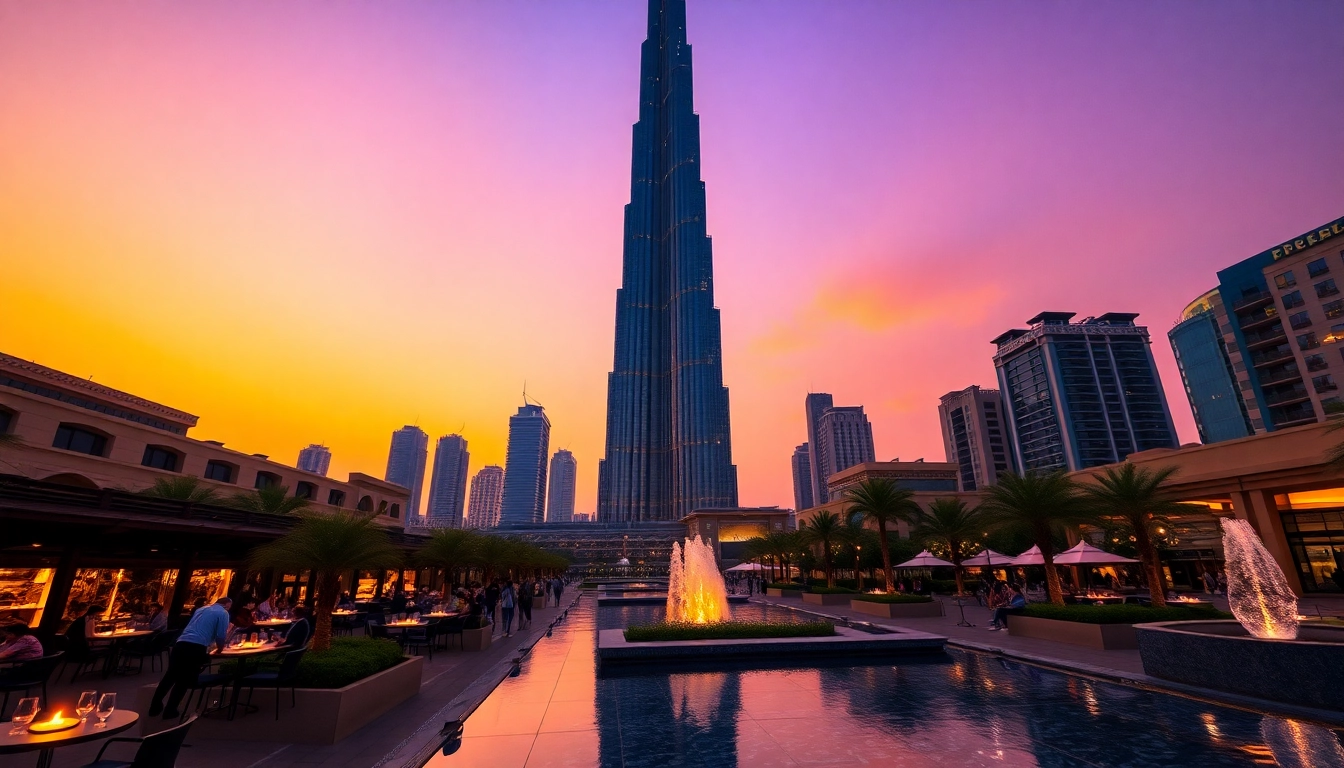
The Iconic Architecture of Burj Khalifa
Standing proudly in the Dubai skyline, the Burj Khalifa is not just the tallest structure in the world but also a remarkable example of modern architectural design. Completed in 2010, this architectural marvel reaches a staggering height of 828 meters (2,717 feet) and boasts 163 floors. The design, characterized by its sleek and modern lines, embodies both form and function, making it an emblem of Dubai’s rapid growth and ambition. This article delves into the design philosophy, innovations, and cultural influences that have shaped the Burj Khalifa into the global icon it is today.
Design Philosophy Behind Burj Khalifa
The Burj Khalifa’s design is the result of a vision to create a structure that would not only symbolize Dubai’s aspirations but also integrate well within the urban fabric of the city. The project’s lead architect, Adrian Smith of Skidmore, Owings & Merrill, drew inspiration from the geometric patterns of traditional Islamic architecture, which can be seen in the building’s Y-shaped floor plan. This unique shape not only maximizes views of the city but also provides structural stability against high winds.
Architectural Innovations and Materials
In constructing the Burj Khalifa, innovative engineering techniques were employed to challenge traditional limits of skyscraper design. The use of high-strength concrete, reinforced with steel, allowed the building to reach unprecedented heights. A total of 103,000 square meters of glass and 15,500 tons of structural steel were utilized, resulting in a visually stunning facade that reflects sunlight and enhances energy efficiency. The skyscraper’s core is designed to withstand seismic activity, showcasing a blend of safety and aesthetic appeal.
Influence of Cultural Elements in Design
The incorporation of cultural elements is a hallmark of the Burj Khalifa’s design ethos. Its soaring height pays homage to the region’s long history of tall structures and reflects the aspirations of the people of Dubai. Features such as the building’s façade, which mimics the pattern of desert flowers, serve to ground the skyscraper within its environment. Additionally, the observation decks provide visitors with a unique vantage point to appreciate the city’s rich heritage intertwined with its modernity.
Visiting Burj Khalifa: What You Need to Know
For those wishing to experience one of the world’s most iconic buildings, knowing the ins and outs of visiting the Burj Khalifa is essential. With a variety of ticket options and experiences available, planning your visit can greatly enhance your experience, whether you’re interested in breathtaking views or culinary experiences atop the tallest building in the world.
Ticket Options and Booking Tips
Tickets for the Burj Khalifa can be purchased online or at the venue, but booking in advance is highly recommended to avoid long queues. Various ticket options include access to the 124th and 125th floors, as well as premium experiences that allow access to the exclusive ‘At the Top Sky’ on the 148th floor. Discounts are often available for children and groups, so it’s wise to check the official website for current rates and promotions.
Best Times to Visit for Stunning Views
The best times to visit the Burj Khalifa for optimal views are during early morning or late afternoon, particularly around sunset. These times not only provide dramatic lighting for photographs but also allow visitors to witness the city transition from day to night. Visiting during weekdays can also help avoid large crowds, ensuring a more enjoyable experience.
Restaurants and Experiences at Burj Khalifa
Within the Burj Khalifa, visitors can indulge in exceptional dining experiences. The Atmosphere restaurant, located on the 122nd floor, offers gourmet cuisine paired with panoramic views of the Dubai skyline. For a more casual experience, visitors can enjoy refreshments at the observation decks. Special events, including private dining experiences, can be arranged for those looking to celebrate a special occasion in an unforgettable setting.
Burj Khalifa’s Impact on Dubai’s Tourism Industry
As the tallest building in the world, the Burj Khalifa has significantly influenced Dubai’s tourism industry, attracting millions of visitors annually. Its status as a global icon has propelled Dubai into the spotlight, driving economic growth and positioning the city as a premier destination for travelers from around the globe.
How It Became a Global Icon
The Burj Khalifa’s debut in the international media helped solidify its status as a symbol of innovation and luxury. Through strategic marketing campaigns and partnerships, Dubai has capitalized on the allure of the Burj Khalifa, promoting it as a must-see attraction. The building’s stunning light shows and fireworks displays during New Year celebrations have further cemented its iconic status.
Visitor Statistics and Economic Contributions
Recent statistics show that the Burj Khalifa receives over 1.5 million visitors every year, contributing significantly to Dubai’s tourism revenues. As a cornerstone of the city’s skyline, it has generated thousands of jobs in the tourism and hospitality sectors, supporting local businesses and enhancing the overall economy.
Marketing Strategies That Work
The success of the Burj Khalifa as a tourist attraction can be attributed to innovative marketing strategies that highlight its unique features. Collaborations with social media influencers and digital campaigns showcasing the breathtaking views have successfully engaged potential visitors. The use of user-generated content has further amplified its reach, enticing tourists to experience the building firsthand.
The Future of Burj Khalifa: Sustainability and Innovation
Looking ahead, the Burj Khalifa is poised to continue leading the way in sustainable skyscraper design and technological innovation. As global awareness of environmental issues increases, the building has implemented several green initiatives that aim to enhance its energy efficiency and minimize its carbon footprint.
Green Initiatives and Energy Efficiency
The Burj Khalifa has embraced various sustainable practices, including energy-efficient lighting and advanced waste management systems. The building’s cooling system utilizes recycled water, and a sophisticated facade serves to regulate temperatures, reducing energy consumption. As sustainability becomes a priority in urban development, the Burj Khalifa exemplifies how iconic structures can lead by example.
Technological Advancements in Skyscraper Design
The ongoing evolution of skyscraper technology is evident in the Burj Khalifa’s design and construction techniques. Innovative materials and engineering solutions continue to redefine what is possible in high-rise construction. Future renovations and upgrades will likely focus on integrating smart technologies that enhance visitor experiences and improve operational efficiency.
Future Developments Surrounding Burj Khalifa
The area surrounding the Burj Khalifa is set to undergo further development, with the introduction of new attractions and amenities aimed at enhancing visitor experiences. Planned developments include expanded shopping and dining options, as well as cultural venues that celebrate the heritage of Dubai. These initiatives promise to create a vibrant environment that complements the iconic Burj Khalifa.
Exploring the Neighborhood: Attractions Near Burj Khalifa
After visiting the Burj Khalifa, there are numerous attractions nearby that offer additional insights into Dubai’s culture and entertainment scene. From shopping to cultural experiences, the area surrounding the iconic skyscraper is buzzing with activities that visitors can enjoy.
Dubai Mall: Shopping and Entertainment
Adjacent to the Burj Khalifa, the Dubai Mall is one of the largest shopping centers in the world, boasting over 1,200 retail outlets, an aquarium, and an ice rink. Visitors can spend a full day exploring the mall’s diverse offerings, from high-end fashion brands to unique dining experiences. The mall serves as a hub for entertainment, making it a perfect complement to a visit to the Burj Khalifa.
Nearby Cultural Sites and Experiences
For those seeking a deeper understanding of Dubai’s rich heritage, several cultural attractions are within easy reach of the Burj Khalifa. The Dubai Opera, with its stunning architecture, hosts a variety of performances and events throughout the year. Additionally, the Dubai Fountain, located at the base of the Burj Khalifa, offers spectacular water shows that captivate visitors with music and light.
Public Transport and Accessibility Tips
Getting to the Burj Khalifa is convenient, with a well-connected public transport network. The Dubai Metro offers a direct line to the Burj Khalifa/Dubai Mall station, making it easily accessible for tourists. Additionally, several bus routes serve the area, and ride-hailing services are readily available. For those driving, ample parking is provided at the Dubai Mall, ensuring a seamless experience when visiting this iconic landmark.