

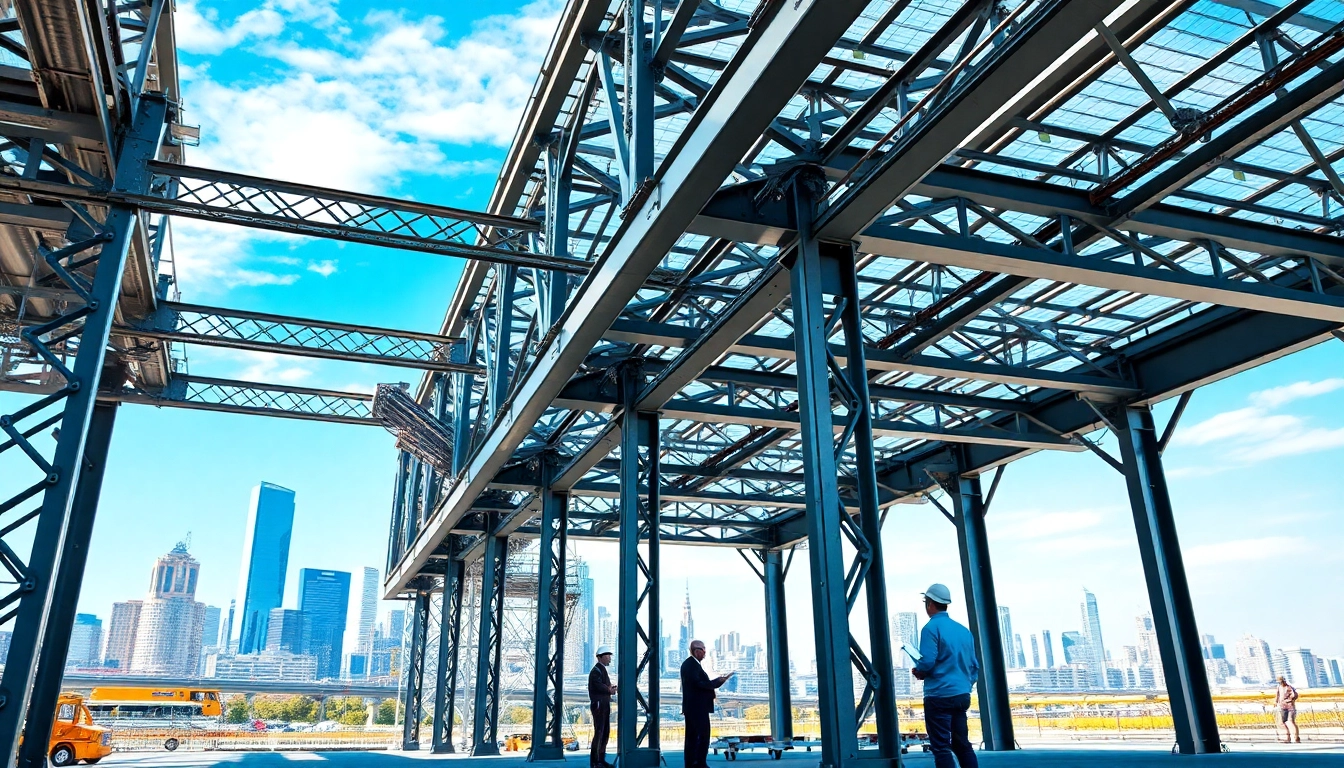
Understanding Steel Structure Design
Steel structure design is a pivotal aspect of modern engineering, offering remarkable strength, durability, and flexibility in construction. These structures are commonly used in various applications, from skyscrapers and bridges to industrial facilities. The effectiveness of a steel structure relies heavily on meticulous planning and execution. In this comprehensive guide, we will delve deeply into the principles, processes, and innovations surrounding steel structure design, providing invaluable insights for professionals and enthusiasts alike.
Defining Steel Structures and Their Applications
Steel structures, as the name suggests, are built primarily from steel components and are engineered to support loads while withstanding environmental forces. The versatility of steel allows it to be shaped into various forms, making it suitable for a wide range of architectural designs. Common applications include:
- Commercial Buildings: High-rise offices and retail spaces often utilize steel frameworks for their ability to create open interiors and support heavy loads.
- Industrial Facilities: Factories and warehouses benefit from steel’s strength and resistance to the elements, making it ideal for large, clear-span structures.
- Infrastructure: Bridges, towers, and other critical infrastructure typically employ steel due to its high tensile strength and resilience.
- Residential Construction: Increasingly, steel is being used in residential buildings to enhance durability and design aesthetic.
Key Design Principles in Steel Engineering
The design of steel structures involves several fundamental principles, each aimed at ensuring safety, stability, and functionality. These principles include:
- Load Analysis: Understanding the types of loads—dead, live, wind, seismic—and their impacts on the structure is crucial for safe design.
- Material Integrity: Using appropriate grades of steel that can withstand the anticipated stresses and environmental conditions.
- Connection Detailing: Properly designed connections are essential for ensuring the integrity and performance of the entire structure.
- Compliance with Standards: Adhering to local and international codes ensures safety and regulatory compliance.
Common Types of Steel Structures
Steel structures can be broadly categorized based on their applications and design approaches:
- Frame Structures: Consist of vertical columns and horizontal beams creating a rigid framework; ideal for seismic resistance.
- Truss Structures: Comprise triangular units that distribute loads efficiently, commonly used in bridges and roof systems.
- Plate Structures: Utilize flat plates of steel to create walls, roofs, or surfaces, often seen in industrial buildings.
- Hybrid Structures: Combining steel with materials like concrete and timber allows for innovative designs that optimize performance.
The Design Process for Steel Structures
Architectural and Structural Considerations
The design process for steel structures begins with a comprehensive understanding of architectural vision coupled with structural realities. Architects and engineers must collaborate closely to ensure that both aesthetic and functional requirements are met. This collaborative approach involves:
- Conceptual Design: Early-stage drawings and models help visualize the project while addressing potential structural challenges.
- Structural Analysis: Using software tools to simulate load conditions and assess the structure’s performance under various scenarios.
- Serviceability and Aesthetics: Balancing the practical aspects of structure use with the visual impact on its environment.
Load Calculations and Material Selection
Accurate load calculations are fundamental for determining the size and strength requirements of steel components. This process includes:
- Dead Loads: The self-weight of structural elements and fixed installations must be calculated.
- Live Loads: Estimated loads due to occupancy, furniture, and equipment that vary over time.
- Environmental Loads: Factors such as snow, wind, and seismic activity must be accounted for, particularly in regions prone to extreme weather.
- Material Choices: Selecting the appropriate steel grade and treatment is vital for ensuring that the materials used can withstand defined loads while promoting sustainability.
Connection Design and Implementation Challenges
The effectiveness of a steel structure hinges on the design of connections that hold the components together. Common challenges include:
- Shear Connections: Must be designed to transfer loads and allow for some flexibility.
- Moment Connections: Require careful detailing to resist rotation and maintain structural integrity.
- Fabrication and Assembly: Ensuring that connections are fabricated with precision to minimize on-site adjustments and enhance safety.
Best Practices for Effective Steel Structure Design
Regulatory Compliance and Standards
Steel structure design must adhere to a myriad of codes and standards, including:
- International Building Code (IBC): Sets minimum safety and construction standards for steel buildings.
- American Institute of Steel Construction (AISC): Provides guidelines on design, fabrication, and erection practices.
- National Fire Protection Association (NFPA): Establishes criteria for fire safety that affect material choice and design.
Compliance not only enhances safety but also facilitates smoother regulatory approvals.
Utilizing Modern Software Tools
Modern software tools play a pivotal role in the design and analysis of steel structures. Tools like ETABS, SAP2000, and Tekla Structures enable engineers to:
- Simulate Load Responses: Virtual modeling provides insights into how structures behave under various loads.
- Generate Accurate Drawings: Automated design tools allow for precise detailing and reduce human error.
- Maintain Compliance: Software solutions are often updated to remain compliant with current codes and standards.
Quality Control and Testing Procedures
Quality assurance is critical in steel structure design. Regular testing and quality controls include:
- Material Testing: Ensuring that all materials meet specified standards through tensile and fatigue tests.
- Inspection of Welds and Bolts: Thorough inspections must be conducted to confirm that connections meet design specifications.
- Field Testing: Using methods such as load testing post-construction to verify structural performance.
Innovations in Steel Structure Design
Emerging Trends and Technologies
The field of steel structure design is evolving, with several key trends emerging:
- 3D Printing: Paving the way for custom components at reduced costs while enhancing design possibilities.
- Modular Construction: Prefabricating sections of steel structures off-site to improve speed and efficiency during assembly.
- Sensors and IoT: Integrating real-time data collection devices to monitor structural health and performance over time.
Sustainable Practices in Steel Construction
Sustainable design practices are more important than ever, as the construction industry seeks to reduce its carbon footprint. Approaches include:
- Recycled Steel: Using recycled steel not only conserves resources but also reduces environmental impacts associated with steel production.
- Energy Efficiency: Incorporating energy-efficient design principles into buildings reduces overall consumption and enhances occupant comfort.
- Life Cycle Assessment (LCA): Evaluating the environmental impacts of materials throughout their life cycle can inform better material choices and design decisions.
Case Studies of Successful Designs
To further illustrate the application of steel structure design principles, consider the following case studies:
- The Burj Khalifa: As the tallest building in the world, this iconic structure utilizes a bundled tube design that maximizes stability while minimizing wind load.
- The Golden Gate Bridge: An architectural marvel that combines aesthetic appeal with engineering prowess, integrating truss components for enhanced support and resilience against seismic activity.
- The Shard: A example of modern steel construction that employs a complex system of steel and glass elements, emphasizing sustainability and innovative design.
Future Outlook for Steel Structure Design
Challenges Facing the Steel Industry
Despite the advancements in technology and practices, the steel industry faces several challenges that could impact future design:
- Material Costs: Fluctuating prices of steel can affect project budgets and timelines, making careful planning essential.
- Sustainability Demands: As regulatory pressures increase, adapting to stricter environmental standards will be paramount.
- Global Supply Chain Issues: Disruptions in the supply chain can have cascading effects on material availability and project execution.
Global Market Trends and Impacts
Global trends indicate a growing demand for sustainable and green buildings, which directly influences steel structure design:
- Urbanization: The continued growth of urban areas necessitates innovative steel solutions for high-density living and commercial spaces.
- Green Building Initiatives: Programs aimed at promoting sustainable construction practices are gaining traction worldwide.
- Digitalization: The incorporation of Building Information Modeling (BIM) and other digital tools enhances collaboration and efficiency throughout the design process.
Preparing for Future Structural Innovations
As the steel industry evolves, preparing for future innovations is crucial. This involves:
- Continuous Education: Investing in training programs to keep engineers updated on the latest technologies and methodologies.
- Embracing New Materials: Exploring the use of advanced composites or hybrid materials that can enhance structural performance while reducing weight.
- Collaboration Across Disciplines: Fostering partnerships between architects, engineers, and manufacturers to push the boundaries of conventional design.