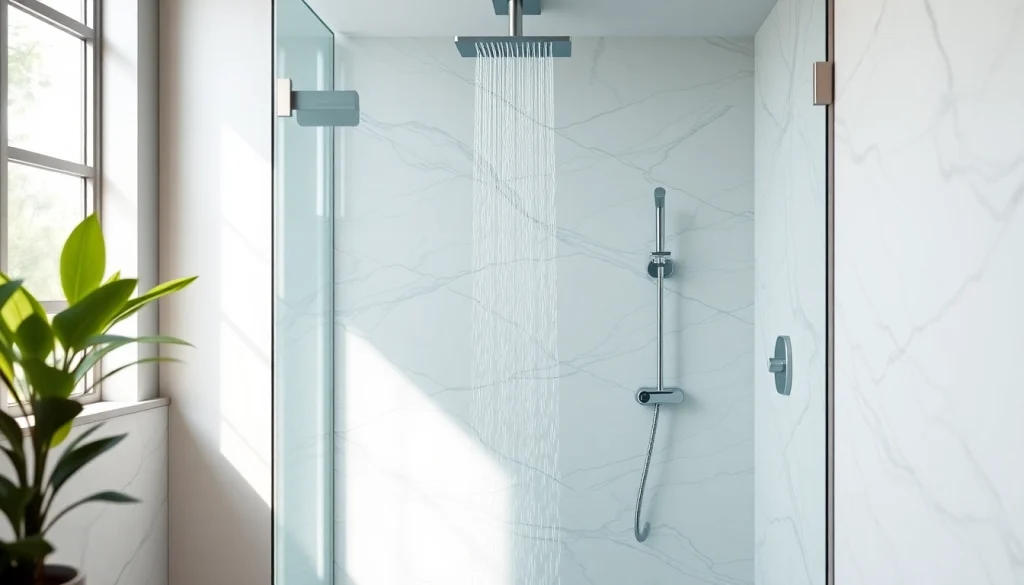
Understanding Shower Types in the UK
Choosing the right shower is crucial for transforming your bathroom experience. With numerous types available in the market, understanding each type’s benefits is essential. Whether you prefer an invigorating power shower or a relaxing electric shower, this comprehensive guide will help you make an informed decision tailored to your needs. To explore various options for a suitable shower, you can delve deeper into the range of products available through shower uk.
Electric Shower UK Advantages
Electric showers are an excellent choice for many households due to their unique benefits. Unlike traditional systems that rely on stored hot water, electric showers heat water on demand. This feature means you won’t run out of hot water during your shower. They are especially beneficial for smaller homes or flats with limited hot water supply.
Additionally, electric showers are typically easier to install because they require less plumbing work. They can operate effectively on low water pressure, making them suitable for various environments. Furthermore, with the advancement in technology, many electric showers come equipped with energy-efficient settings and unique features like adjustable temperature controls, enabling users to tailor their showering experience perfectly.
Mixer Showers and Their Benefits
Mixer showers combine hot and cold water supplies to provide a comfortable and consistent temperature. They offer a luxurious showering experience and are ideal for homes with a reliable hot water supply. One significant advantage of mixer showers is their ability to maintain the selected temperature; you won’t experience unexpected bursts of hot or cold water while bathing.
These showers are available in various styles and configurations, including wall-mounted, thermostatic, and digital models. Thermostatic mixer showers, in particular, are designed to prevent temperature fluctuations, providing both convenience and safety. They are an excellent option for families with children, reducing the risk of scalding.
Power Showers: What You Need to Know
Power showers are a perfect solution for those who desire a strong, invigorating flow of water. Unlike traditional mixers, power showers utilize a pump that boosts water pressure, ensuring a robust jet that can offer a spa-like experience at home. They work best when connected to a high-capacity hot water cylinder, filling a space with an impressive stream of water.
However, it’s essential to assess your plumbing system before opting for a power shower. Installing one typically requires adequate water pressure and storage capacity. Furthermore, power showers have become increasingly popular not only for their performance but also for the various options available, including adjustable jets and temperature settings that cater to different preferences.
Key Features to Consider for Shower UK
When searching for the perfect shower, several essential features and factors should be analyzed to ensure it meets your needs and preferences appropriately.
Water Efficiency Ratings Explained
In today’s climate-conscious society, water efficiency is more important than ever. Showers account for a significant portion of household water consumption, making water-saving options a paramount consideration. Look for units rated with a water efficiency label, which indicates how many liters per minute (l/min) a shower head dispenses.
Choose showers that offer efficient performance without sacrificing water flow or comfort. Technologies such as aerators and flow restrictors can decrease water usage and energy costs while maintaining an adequate shower experience. Aim for models that utilize less than 9 l/min for optimal conservation.
Importance of Pressure Compatibility
Water pressure compatibility is vital for ensuring that your chosen shower works effectively. Understanding your home’s water pressure will help you select the right type of shower, whether it’s electric, mixer, or power. You cannot achieve the desired output from a shower that’s incompatible with your home’s pressure.
If your home has low water pressure, electric and mixer showers are typically better options, while power showers can enhance low-pressure situations. Installing the right shower will not only enhance your experience but will also prolong the system’s lifespan.
Choosing the Right Showerhead Style
The showerhead style significantly impacts your overall shower experience. There are various styles, including handheld, fixed, and rain shower heads, each offering unique features.
Handheld shower heads provide versatility, allowing users to direct the flow of water exactly where needed, making them ideal for washing hair or cleaning the shower area. On the other hand, fixed shower heads provide a more luxurious experience, often featuring broader spray patterns and rainfall sensations that many people prefer.
Additionally, modern showerheads often come with excellent technology features, such as multiple spray settings, eco-friendly options, and easy-clean designs that cater to different preferences. Consider your specific needs to select a showerhead that adds value to your overall bathing experience.
Maintaining Your Shower: Best Practices
A shower is a central feature in any bathroom, and its maintenance is crucial for ensuring both functionality and aesthetics. Regular and proactive care can extend the lifespan of your shower and preserve its functionality.
Daily Care Tips for Longevity
Daily care practices substantially impact the longevity of your shower system. After each use, take a few moments to wipe down the walls and the showerhead with a soft cloth to help prevent soap scum build-up and minimize mineral deposits. Regular drying can help maintain its appearance while reducing cleaning efforts in the future.
Furthermore, consider using a squeegee to remove excess water from glass surfaces after showers to prevent water spots and limescale build-up. For a more in-depth clean, adopt a weekly cleaning routine where you use non-abrasive cleaners that are suitable for your shower materials.
Common Issues and Troubleshooting
Encountering issues with your shower is common, but many problems can often be resolved without professional help. A typical problem includes fluctuating water temperatures, which could indicate a malfunctioning thermostat or conflicting water sources.
Another common issue is low water pressure, which might stem from clogged showerheads. Regular cleaning and descaling can often restore full functionality to your showerhead, ensuring a robust water flow. Additionally, be watchful for leaks; small leaks can lead to larger problems if left unattended.
Cleaning Techniques for Various Materials
The material of your shower components requires specific cleaning techniques. For glass shower doors, use a specialized glass cleaner or vinegar solution to create a streak-free aesthetic. Avoid abrasive solutions that might scratch the surface.
For metal parts, such as showerheads and faucets, use soft cloths with mild detergents. Rinse thoroughly to avoid corrosion. Porcelain and ceramic surfaces can typically handle stronger cleaners, but check manufacturers’ recommendations to avoid damage.
Installing Your New Shower: A Step-by-Step Guide
Proper installation is essential for ensuring that your shower works correctly and efficiently while reducing potential problems down the line.
Tools and Materials Needed
Before embarking on your installation journey, gather all essential tools and materials. Basic tools include a wrench, screwdriver, drill, level, and measuring tape. Depending on your chosen shower type, ensure that you have all associated materials, such as valves, fittings, piping, and sealants.
Additionally, refer to the manufacturer’s instructions for specifics regarding installation requirements, including specific tools or additional materials necessary for your shower type.
Steps for a Successful Installation
Start by turning off your home’s water supply to avoid unexpected leaks or water damage. Remove the old shower system carefully, taking care not to damage existing plumbing. Install the new mixer or power shower following the manufacturers’ guidelines closely.
Attach showerheads, valves, and any other components as described, ensuring secure fittings to prevent leaks. Once the installation is complete, restore the water supply gradually and check for leaks by running the shower for a few minutes.
When to Hire a Professional
While many homeowners undertake shower installations, consider hiring a professional if you encounter complex plumbing requirements, need extensive modifications, or are uncomfortable with DIY tasks. Professionals can provide warranties and assurances against faulty installations, significantly reducing future risks and expenses.
FAQs About Shower UK
How do I choose the right showerhead?
Choosing the right showerhead involves considering the desired spray pattern, flow rate, and ease of cleaning. Handheld shower heads offer flexibility, while fixed showerheads provide a more luxurious experience.
Can I replace my shower without professional help?
Yes, many homeowners can replace their shower with basic plumbing knowledge. Just ensure you have the necessary tools and follow manufacturer guidelines closely.
What is the average cost of a shower installation?
The average cost varies based on the type of shower and installation complexity. Generally, costs can range from several hundred to a few thousand pounds, including labor and materials.
How often should I clean my shower?
Regular cleaning is advised. Wipe down surfaces daily and perform a deep clean weekly to prevent buildup and maintain a fresh appearance.
What are the best water-saving shower options?
Look for showers with water-efficient ratings, such as those using less than 9 l/min. Additionally, models with flow restrictors and aerators can help reduce water usage effectively.