

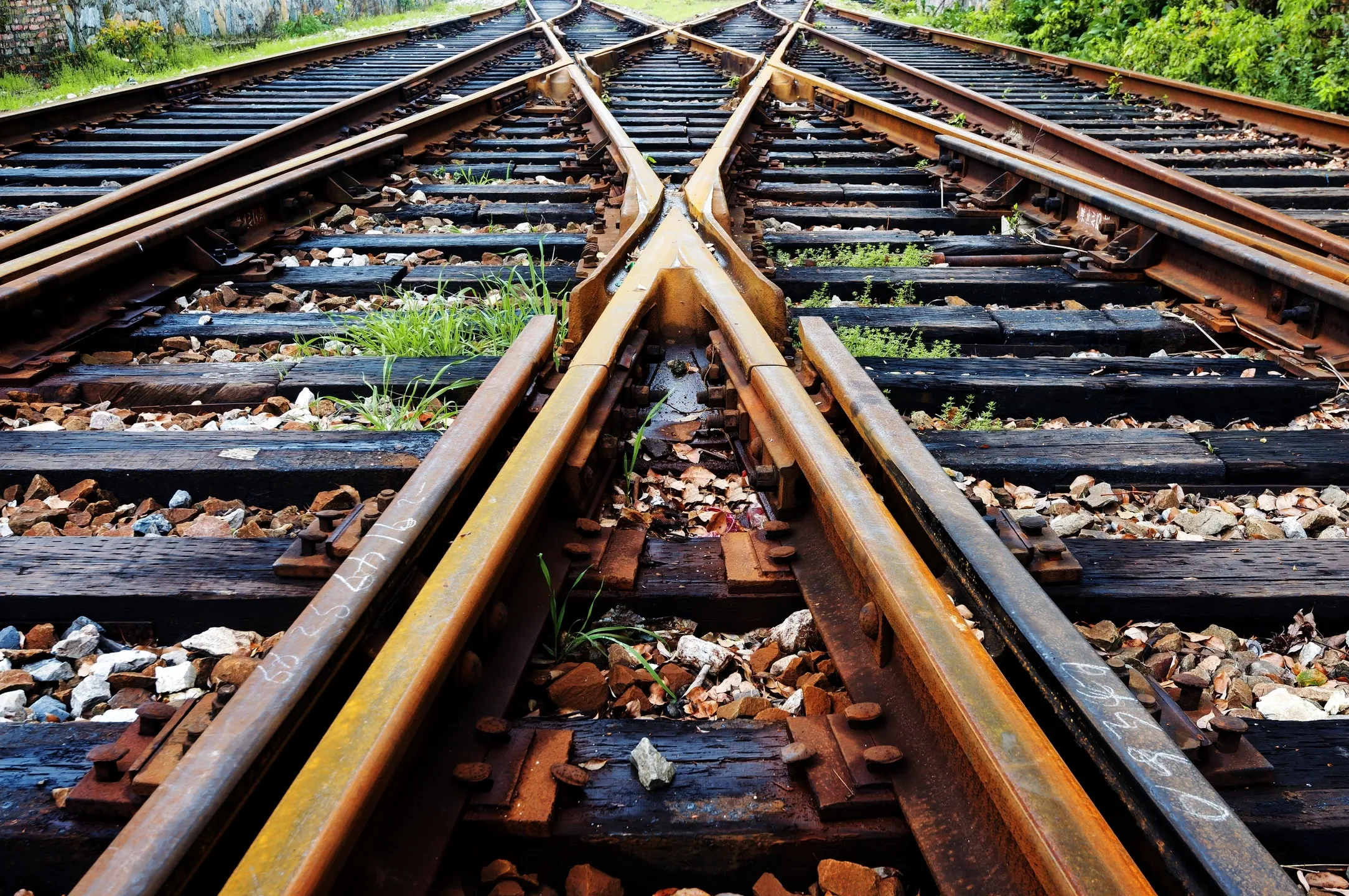
Understanding the Importance of Railway Maintenance
Railways are the backbone of transportation, facilitating the movement of goods and people efficiently across vast distances. However, the smooth operation of rail networks is sustained by railway maintenance, which ensures the infrastructure remains safe and effective. This article delves into the multifaceted importance of railway maintenance, exploring its critical role and best practices within the industry.
Why Railway Maintenance Matters
Railway maintenance is essential for several reasons, primarily regarding safety, efficiency, and cost-effectiveness. Regular maintenance helps to identify potential hazards before they escalate, reducing the risk of accidents that can have serious implications for both human life and cargo.
Moreover, a well-maintained railway system increases operational efficiency, enabling quicker travel times and reliable schedules. This reliability is crucial for businesses that depend on timely deliveries and for passengers relying on efficient transport.
Impact on Safety and Efficiency
The impact of effective railway maintenance on safety cannot be overstated. By conducting regular inspections and timely repairs, rail operators can significantly minimize the risk of derailments, accidents, and fatalities. Moreover, efficient railway maintenance practices lead to improved train scheduling, enhanced track performance, and reduced operational disruptions, which ultimately results in a more reliable service offering.
Legal and Regulatory Considerations
Railway maintenance is also bound by legal and regulatory frameworks, which vary by country but share a common goal of ensuring safety and service reliability. Compliance with these regulations not only protects the public but also shields rail organizations from potential lawsuits and penalties. Regular audits and compliance checks are vital components of any effective maintenance program.
Major Components of Railway Maintenance
Effective railway maintenance encompasses several critical components that work together to promote a safe and efficient railway system. Understanding these components is essential for developing robust maintenance strategies.
Track Inspection Practices
Track inspection is vital to detecting flaws before they become serious issues. It encompasses various methods, including visual inspections, ultrasonic testing, and high-speed rail testing. These inspections help identify track bed conditions, rail wear, and alignment issues, ensuring that trains operate on well-maintained tracks, minimizing the risk of derailments.
Maintenance of Signals and Equipment
Signal systems are crucial for safe railway operations. Regular maintenance of signaling equipment helps to ensure the safe movement of trains, preventing collisions and service disruptions. Improvements in technology have facilitated more advanced diagnostic tools, allowing for predictive maintenance that can foresee potential failures before they occur.
Infrastructure Assessment and Upgrades
As rail infrastructure ages, assessments are necessary to determine the need for upgrades. This involves structural evaluations of bridges, tunnels, and related installations. Investing in modern materials and technology not only prolongs the lifespan of these infrastructures but also enhances efficiency and safety.
Best Practices in Railway Maintenance
To optimize railway maintenance strategies, several best practices have emerged that can significantly improve safety, efficiency, and cost-effectiveness in railway operations.
Scheduled vs. Reactive Maintenance
Scheduled maintenance involves regular inspections and repairs based on a predetermined timetable, reducing the likelihood of unexpected failures. Conversely, reactive maintenance occurs after a failure has been identified. While both have their place, a proactive approach through scheduled maintenance is generally preferred to ensure system reliability.
Utilization of Technology in Maintenance
The railway industry is increasingly adopting technology to improve maintenance practices. Technologies such as drone inspections, AI-driven diagnostics, and IoT sensors provide real-time data, enabling quicker response times and more effective preventive maintenance. Integrating these technologies not only improves safety standards but also reduces operational costs.
Training and Safety Standards for Workers
Investing in training is vital for ensuring that maintenance staff are skilled and knowledgeable about the latest safety practices and technologies. Implementing stringent safety standards helps mitigate risks associated with maintenance operations, creating a safer working environment and ensuring that maintenance is performed to the highest quality.
Challenges in Railway Maintenance
Despite the best practices, railway maintenance is fraught with challenges that need to be addressed to maintain an optimal service level. Understanding these challenges can lead to better solutions.
Resource Allocation and Budget Constraints
One of the primary challenges in railway maintenance is allocating the necessary resources effectively. Budget constraints often limit maintenance programs, leading to deferred maintenance and increased risk of failures. Prioritizing maintenance tasks based on risk assessments can help allocate resources more effectively, addressing the most critical areas first.
Weather and Environmental Effects
Weather can significantly impact railway maintenance. Factors such as heavy rainfall, snow, and extreme temperatures can accelerate wear and tear on tracks and infrastructure. Developing robust environmental monitoring and maintenance programs can help mitigate these effects, ensuring the system remains resilient against natural elements.
Dealing with Unexpected Repairs
Unexpected equipment failures and track issues can disrupt planned schedules and lead to increased costs. Implementing a responsive repair framework with contingency plans can prepare maintenance teams for swift action during emergencies, minimizing downtime and maintaining service reliability.
Measuring Success in Railway Maintenance
To ensure that railway maintenance practices are effective, it is crucial to establish metrics that assess performance and guide continuous improvement.
Key Performance Indicators (KPIs) to Monitor
KPIs for railway maintenance can include metrics such as the number of derailments, maintenance response times, and the percentage of scheduled maintenance tasks completed on time. Tracking these indicators allows organizations to evaluate their maintenance effectiveness and assist in strategic planning.
Continuous Improvement Strategies
Continuous improvement strategies, such as Lean and Six Sigma, can streamline maintenance processes and improve efficiency. By fostering a culture of ongoing improvement, railway organizations can adapt better to challenges and maintain high service levels.
Case Studies of Successful Maintenance Practices
Examining successful maintenance practices in the railway sector provides valuable lessons. Case studies showcasing the implementation of advanced technologies or innovative maintenance strategies highlight the potential for efficiency gains and improved safety outcomes in similar contexts.
Frequently Asked Questions
What is railway maintenance?
Railway maintenance refers to the regular inspection, repair, and upgrading of railway infrastructure and rolling stock to ensure safe and efficient train operations.
Why is railway maintenance important?
Railway maintenance is crucial for ensuring the safety, efficiency, and reliability of rail services while minimizing the risks of accidents and costly repairs.
What are the common types of railway maintenance?
Common types include track maintenance, signal and equipment maintenance, infrastructure assessments, and scheduled inspections to identify potential issues.
How can technology improve railway maintenance?
Technology can enhance railway maintenance through predictive analytics, remote monitoring, and automation, enabling quicker repairs and reducing downtime.
What are the challenges faced in railway maintenance?
Challenges include budget constraints, adverse weather conditions, and the need for skilled workers, all of which can impact maintenance efficiency and safety.