Understanding Structural Steel Construction
Definition and Characteristics
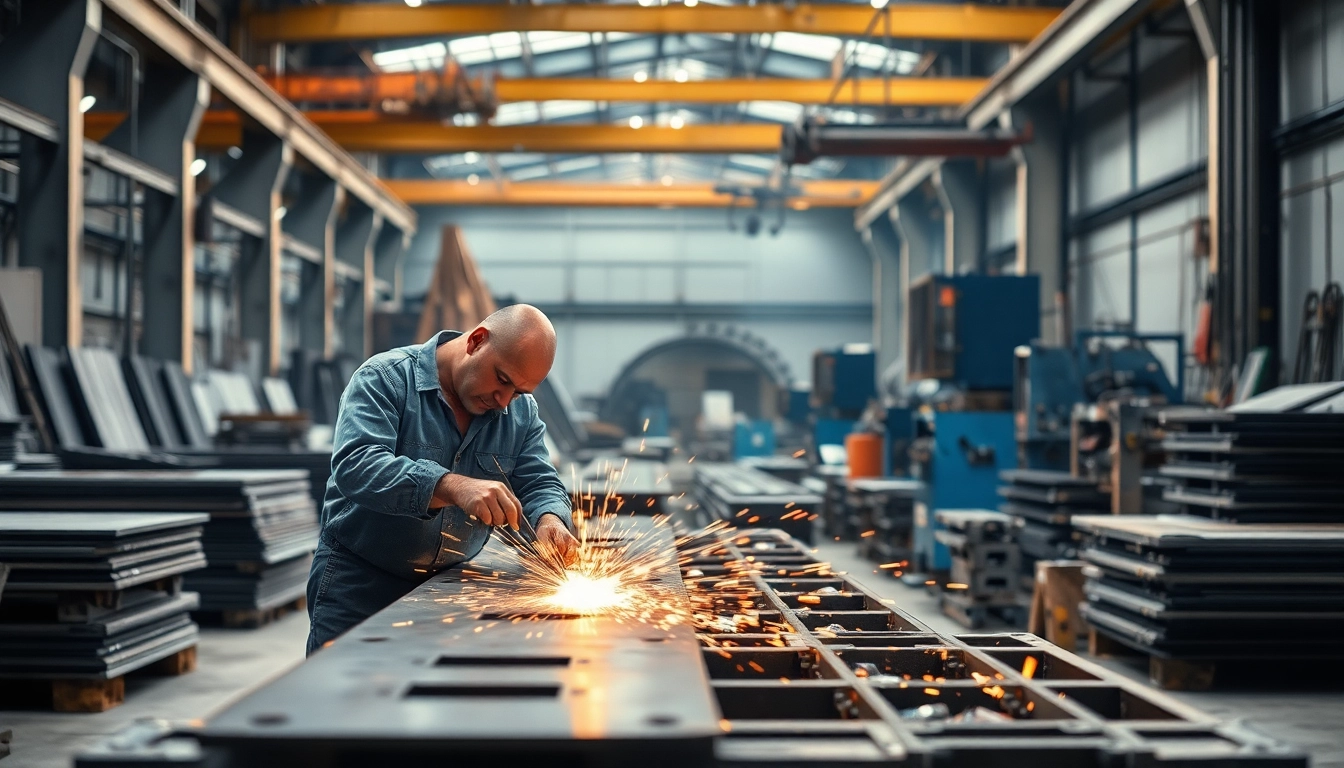
Structural steel construction involves using steel as the primary material for building structures. Its characteristics include high strength-to-weight ratios, durability, and resistance to various environmental factors. Steel is molded into various shapes, such as beams, columns, and plates, which are then assembled into frameworks for buildings, bridges, and industrial structures. The versatility of steel allows for both functional and aesthetic designs, making it a preferred choice in modern architecture.
Benefits of Structural Steel
The advantages of structural steel construction are manifold. Firstly, the inherent strength of steel allows for the construction of taller structures with larger spans compared to traditional materials. This strength also contributes to the overall safety and longevity of the buildings. Additionally, structural steel construction is environmentally friendly as it can be recycled. Time efficiency during construction is another significant benefit, as steel components can be pre-fabricated and assembled quickly on-site, reducing overall project timelines. Furthermore, steel’s flexibility in design opens possibilities for innovative architecture that can be tailored to various functional needs, from commercial spaces to residential buildings.
Common Applications of Structural Steel Construction
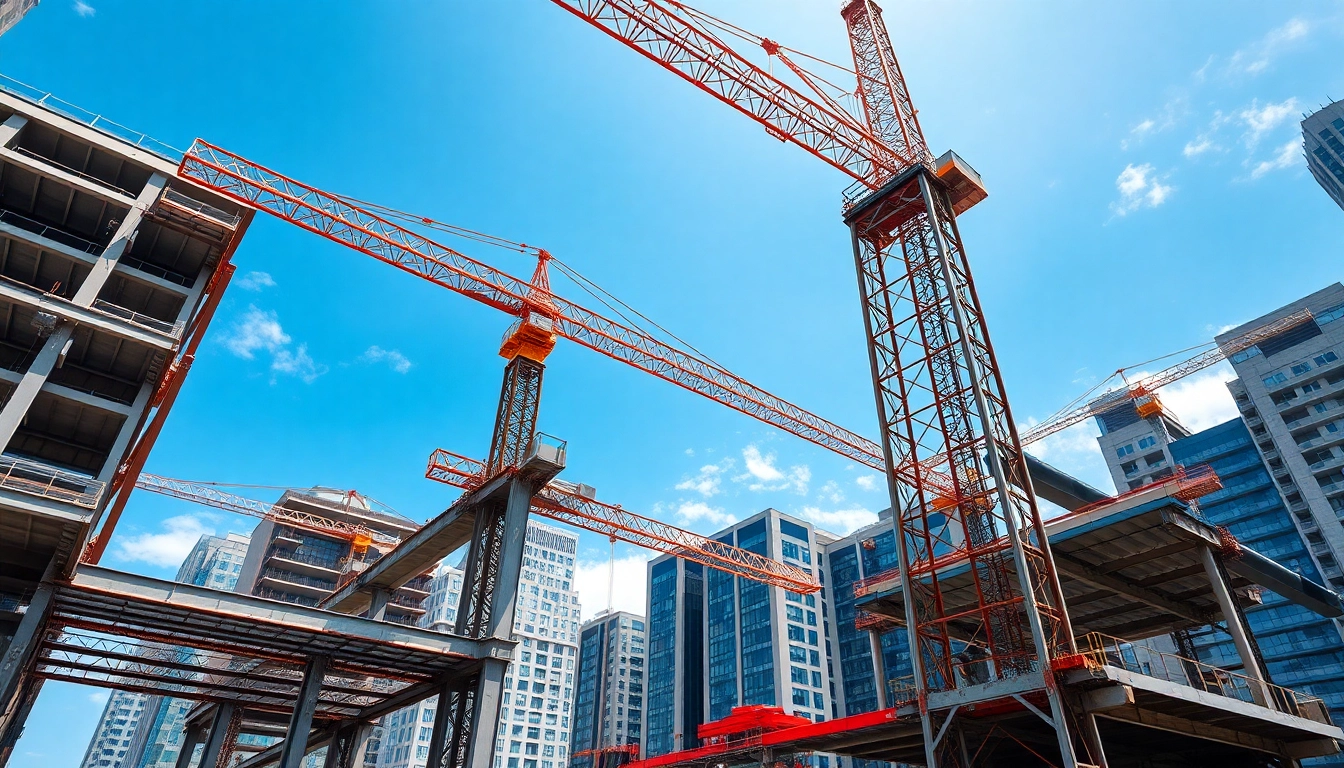
Structural steel is used in a wide range of applications, making it an integral part of modern construction. This material is commonly employed in high-rise buildings, bridges, and industrial buildings. Its use in warehouses and manufacturing facilities is notable due to the requirement for large roof spans and high load-bearing capacities. Additionally, structural steel is often favored for the construction of stadiums, shopping centers, and other large public venues where open spaces are essential. Its adaptability enables designers to create engaging, open layouts, enhancing overall usability and aesthetics.
Key Components of Structural Steel Construction
Steel Types and Their Properties
Various types of steel are utilized in structural applications, each offering distinct properties. Carbon steel is the most common, known for its strength and weldability. Structural steel grades, such as ASTM A992, provide specific mechanical properties ideal for building structures. Other variants include stainless steel, recognized for its corrosion resistance and aesthetic appeal, and weathering steel, which forms a protective rust layer when exposed to atmospheric conditions. Understanding the properties of these steel types helps engineers select the most appropriate material for each project scenario.
Essential Structural Elements
Structural steel construction is built upon essential elements such as beams, columns, braces, and connections. Beams are horizontal supports designed to carry loads and transfer them to columns, while columns serve as vertical supports within the structure. Braces, often configured in triangular shapes, provide lateral stability against wind and seismic forces. Connections—welded or bolted—are also crucial; they ensure the integrity of the structural frame by linking different elements securely while allowing for flexibility in design.
Joining Techniques in Steel Construction
Joining techniques in structural steel construction significantly impact the overall efficiency and durability of the structure. Common methods include welding, bolting, and riveting. Welding creates a permanent bond and can be done in various configurations to suit specific joints. Bolting is favored for its simplicity and allows for easier assembly and disassembly of components, often employed in large-scale construction where adjustments might be needed over time. Riveting, although less commonly used now, provides similar advantages, especially in historical restoration projects.
Planning Your Structural Steel Construction Project
Initial Design Considerations
When planning a structural steel construction project, careful attention to design is paramount. This phase includes selecting the appropriate steel type, determining load requirements, and considering environmental factors such as seismicity and wind loads. Collaboration between architects and engineers is vital to create a design that meets both functional and aesthetic goals. Additionally, incorporating sustainable practices in the design can enhance the building’s environmental performance and cost-effectiveness in the long run.
Selecting Qualified Contractors
Choosing the right contractors is crucial for the success of any structural steel construction project. Contractors should have experience in handling similar projects and possess relevant certifications and insurance. It may also be beneficial to seek contractors familiar with local building codes and regulations. A thorough vetting process, including reviewing past work and checking references, can help ensure that the selected team is qualified and capable of delivering high-quality results.
Permits and Regulations
Prior to commencing construction, obtaining the necessary permits and adhering to regulations is essential. These requirements vary based on the project’s location and scope. Engaging with local authorities early in the planning process can help streamline the permit application process. Compliance with safety codes, zoning laws, and environmental regulations is not only legally required but also critical for the safety and functionality of the completed structure.
Execution and Oversight in Structural Steel Construction
Project Management Strategies
Efficient project management strategies play a vital role in the successful execution of structural steel construction projects. Employing construction management software can enhance communication and coordination among all stakeholders. Setting clear milestones and deadlines, along with regular progress meetings, can keep the project on track. Additionally, risk management strategies should be put in place to address potential challenges proactively, ensuring that the project proceeds smoothly.
Quality Control and Inspections
Quality control is crucial during the construction phase to ensure that all elements meet specified standards. Regular inspections should be conducted to verify material integrity, adherence to design specifications, and compliance with safety regulations. Implementing a robust quality assurance plan helps in identifying and addressing issues promptly before they become significant problems, thus ensuring the longevity and performance of the structure.
Safety Protocols in Construction
Safety is paramount in any construction project, especially in structural steel construction where the environment can be hazardous. Establishing comprehensive safety protocols involves training workers in safe practices and providing them with proper safety gear. Regular safety drills and adherence to standards set by organizations such as OSHA can mitigate risks and create a culture of safety on-site. Continuous monitoring and reassessment of safety procedures throughout the project lifecycle is essential for protecting workers and minimizing accidents.
Future Trends in Structural Steel Construction
Sustainability in Steel Manufacturing
Sustainability is becoming a prominent concern in structural steel construction. Manufacturers are increasingly adopting practices that minimize environmental impact, such as using recycled steel and reducing energy consumption during production. Incorporating renewable energy sources in manufacturing processes and promoting the use of embodied carbon assessments can further enhance sustainability. These efforts not only comply with regulations but also resonate with a growing demand for environmentally friendly construction practices.
Innovative Design Technologies
The adoption of innovative design technologies is transforming structural steel construction. Building Information Modeling (BIM) allows for enhanced visualization and collaboration throughout the design and construction phases. This technology helps in identifying potential design flaws early in the process, thereby saving time and resources. Furthermore, advanced simulation tools can predict the performance and behavior of steel structures under various conditions, leading to more efficient and resilient designs.
Smart Construction Techniques
The integration of smart construction techniques in structural steel construction is on the rise. Technologies such as IoT (Internet of Things) devices and sensors can improve project monitoring and efficiency. These devices enable real-time data collection and analysis, aiding in decision-making and enhancing operational efficiency. The implementation of augmented reality (AR) and virtual reality (VR) in construction helps visualize aspects of assembly and maintenance, improving training processes and overall project outcomes.
Frequently Asked Questions (FAQs)
What is structural steel construction?
Structural steel construction uses steel as the main material for building frameworks, providing strength and durability for various structures.
What are the benefits of using structural steel?
Structural steel offers numerous advantages, including strength, speed of installation, design flexibility, and sustainability through recyclability.
What types of steel are used in construction?
Common types include carbon steel, stainless steel, and weathering steel. Each type has specific properties suited for particular applications.
How do I select a contractor for my project?
Look for experienced contractors with relevant certifications, strong references, and a good understanding of local building codes.
What safety protocols should be in place during construction?
Safety protocols should include training, provision of safety gear, regular safety drills, adherence to safety standards, and continuous monitoring.