

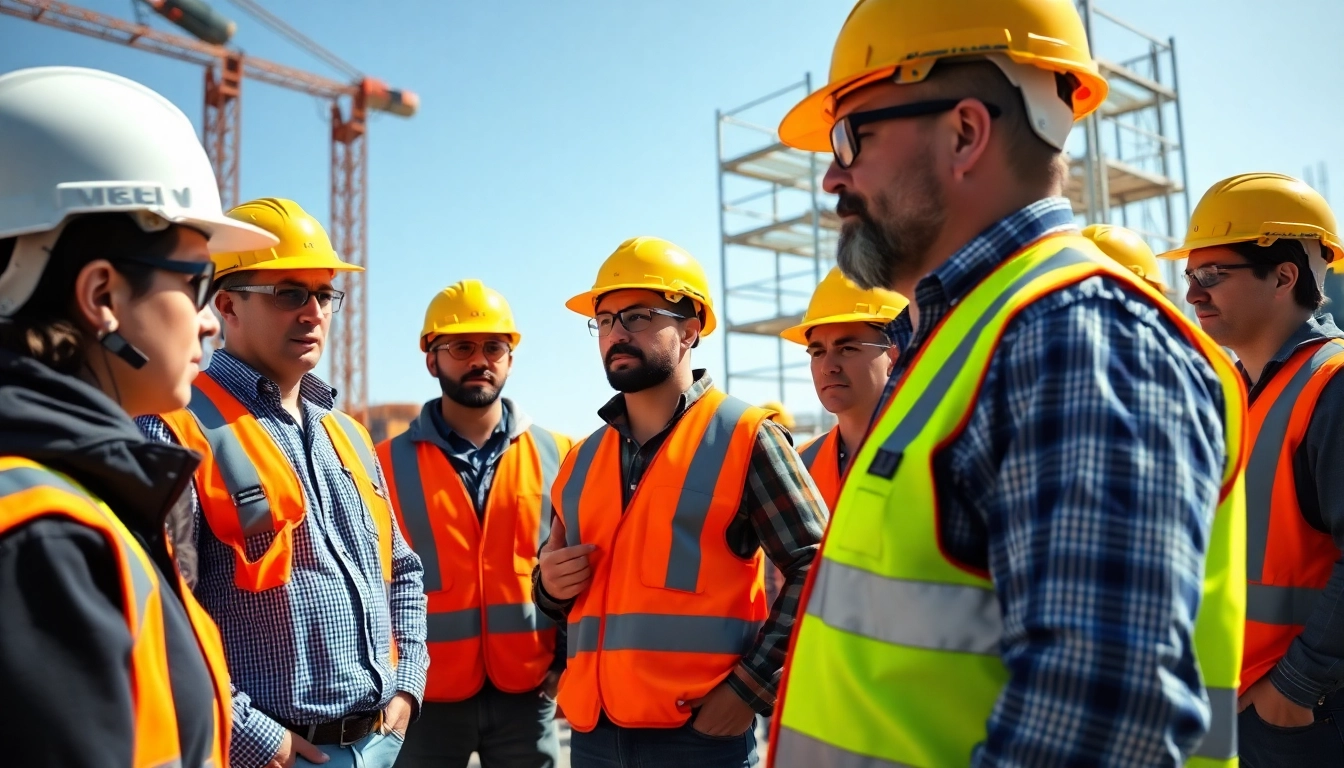
Understanding Construction Safety Training
What is Construction Safety Training?
Construction safety training is a specialized program designed to educate workers on best practices for maintaining safety on job sites. This encompasses a variety of topics including fall protection, hazard recognition, personal protective equipment (PPE), and emergency procedures. By ensuring that all employees are trained in these critical areas, organizations can significantly reduce the risk of accidents and injuries, thereby fostering a safer work environment.
Importance of Construction Safety Training
The significance of construction safety training cannot be overstated. According to various reports, thousands of injuries occur annually in the construction industry, making it one of the most hazardous occupations. Proper safety training not only complies with legal requirements but also enhances worker confidence, productivity, and morale. When employees are well-versed in safety protocols, they are more likely to execute their tasks efficiently without compromising their wellbeing. Investing in construction safety training is crucial for reducing workplace accidents and related financial liabilities.
Key Regulations and Standards
Construction safety training is often centered around established regulations and standards such as those set forth by the Occupational Safety and Health Administration (OSHA). These guidelines include the proper use of equipment, employee responsibilities, and safety protocols that must be followed on job sites. Additionally, organizations may adhere to industry-specific standards that further emphasize the importance of workplace safety and health protocols.
Components of a Successful Training Program
Training Needs Assessment
Developing an effective construction safety training program begins with a thorough training needs assessment. This involves evaluating existing skill levels, identifying gaps in knowledge, and understanding the unique risks associated with specific job sites. Stakeholders can utilize surveys, interviews, and historical accident data to pinpoint areas that require focused training efforts.
Learning Objectives and Curriculum
Once the training needs assessment is concluded, the next step is to establish clear learning objectives and design a structured curriculum. Objectives should articulate what participants will be able to accomplish post-training, such as demonstrating the correct use of safety equipment or recognizing potential hazards. A well-structured curriculum that incorporates both theoretical knowledge and practical applications can enhance learning experiences.
Tools and Resources for Training
To effectively deliver construction safety training, organizations should consider a variety of tools and resources. These may include instructional manuals, online modules, videos, and interactive presentations. Moreover, augmenting resources with real-life case studies and accident reports can provide important context that resonates with trainees, making the information more relatable and easier to understand.
Methods of Delivering Construction Safety Training
In-Person vs. Online Training Sessions
While in-person training sessions offer hands-on demonstrations and direct interaction with instructors, online training provides flexibility and convenience. The choice between these methods often depends on the organization’s size, available resources, and the specific needs of the workforce. Blended training approaches that combine both in-person workshops and online classes can also be beneficial in reaching a wider audience while maintaining engagement.
Utilizing Hands-On Demonstrations
Hands-on demonstrations are a crucial aspect of construction safety training. These sessions can enhance understanding by allowing participants to physically engage with safety equipment and learn proper techniques in a controlled environment. Practicing safe behaviors reinforces learning and empowers workers to confidently apply safety protocols on job sites.
Incorporating Technology in Training
Technological advancements have transformed training methodologies. Tools like augmented reality (AR) and virtual reality (VR) can simulate hazardous situations, offering a risk-free environment for trainees to practice responses. Adoption of Learning Management Systems (LMS) can streamline training delivery, track progress, and provide instant assessments, encouraging accountability and continual learning.
Measuring the Effectiveness of Training Programs
Evaluating Training Outcomes
To ascertain whether training programs are effective, organizations must have robust methods to evaluate outcomes. This can involve pre-and post-training assessments, monitoring incident rates, and analyzing operational performance indicators. Evaluating outcomes not only highlights successes but also pinpoints potential areas for improvement.
Feedback Mechanisms for Continuous Improvement
Regular feedback from participants is critical for continuous improvement. Organizations should encourage input through surveys, interviews, and group discussions following training sessions. This feedback can reveal insights on course effectiveness, curriculum relevance, and delivery methods, which can then inform future training iterations.
Adjusting Training Based on Feedback
Once feedback has been collected, it is essential to utilize this information for program adjustments. Implementing changes based on participant suggestions can enhance the training experience and ensure that the curriculum remains relevant and effective. Continuous refinement of training programs aligns with evolving workplace needs and regulatory requirements.
Common Challenges in Construction Safety Training
Ensuring Engagement Among Participants
One of the most significant challenges in delivering effective construction safety training is ensuring participant engagement. Training sessions can often feel monotonous, leading to disengagement. To mitigate this, trainers should implement interactive elements such as group discussions, quizzes, and engaging multimedia presentations to maintain interest and facilitate active participation.
Addressing Language Barriers
In today’s diverse workforce, language barriers can pose challenges during safety training. To address this, organizations should consider offering training materials in multiple languages or providing translators during sessions. Utilizing visuals, demonstrations, and hands-on training can also aid comprehension among non-native speakers.
Keeping Up with Evolving Regulations
The construction industry is subject to frequent changes in regulations and safety standards. This dynamic nature requires organizations to remain vigilant and update their training programs accordingly. Establishing a dedicated safety compliance team can be helpful in monitoring legislation changes and ensuring that all training materials remain current and compliant.
Frequently Asked Questions
What are the key elements of an effective construction safety training program?
Effective programs combine assessment of training needs, clear objectives, practical demonstrations, and regular evaluations.
How often should construction safety training be updated?
Training should be updated at least annually or whenever there are significant changes in regulations or job site practices.
What qualifications should trainers have?
Trainers should have industry experience, relevant certifications, and a deep understanding of safety regulations and practices.
Are there any specific tools for online construction safety training?
Tools like Learning Management Systems (LMS), interactive modules, and video conferencing can enhance online training delivery.
How can I measure the success of my training program?
Success can be measured through assessments, participant feedback, incident rate reductions, and compliance checks.