

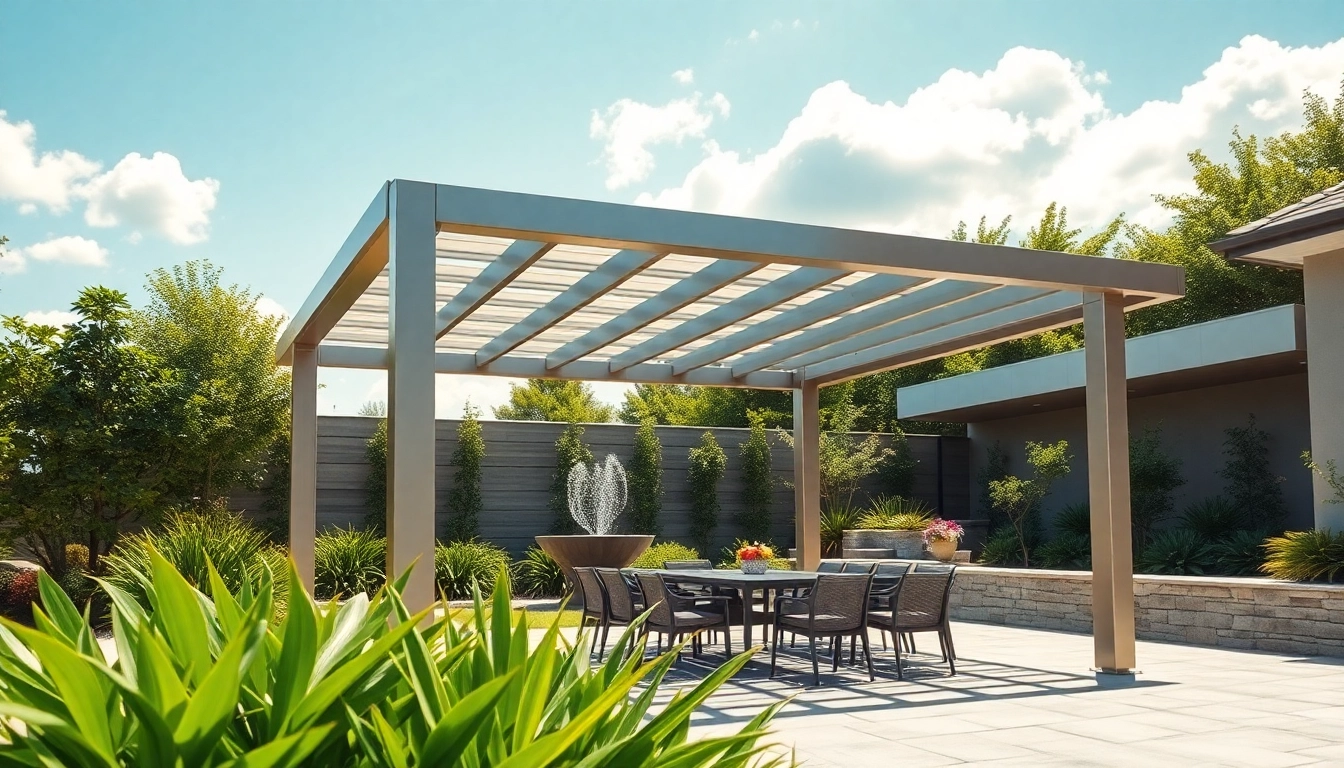
Understanding Modern Steel Pergolas
Modern steel pergolas are emerging as one of the most sought-after outdoor structures, providing an elegant blend of aesthetics and functionality for outdoor spaces. Unlike traditional wooden pergolas, steel structures offer enhanced durability and require significantly less maintenance over their lifespan. Not only do these pergolas act as a stylish focal point, but they also provide essential shade, allowing homeowners to enjoy their gardens comfortably throughout the year.
What is a Modern Steel Pergola?
A modern steel pergola is an open-roof canopy structure that typically consists of vertical posts and horizontal beams, engineered from robust steel materials. These structures can be designed in a variety of styles and sizes, catering to the unique needs and preferences of homeowners. Their sleek design often complements contemporary architecture and landscaping, making them an excellent choice for those seeking sophistication and modernity. Whether used as a stand-alone feature or integrated into other outdoor installations, a modern steel pergola can transform any outdoor area into a sanctuary of relaxation.
Key Benefits of Steel in Outdoor Structures
Steel has distinct advantages over other materials commonly used in outdoor structures, such as wood or vinyl. Here are several compelling reasons to consider steel for your pergola:
- Durability: Steel is resistant to decay, warping, and serious damage from pests like termites, making it a long-lasting choice for outdoor structures.
- Low Maintenance: Unlike wooden pergolas that require regular sealing or repainting, steel pergolas only need occasional cleaning to remove dirt and debris.
- Design Versatility: Steel can be easily molded and shaped, allowing for innovative and custom designs that enhance the overall aesthetics of the outdoor space.
- Enhanced Stability: Steel pergolas can withstand strong winds and severe weather better than traditional materials, ensuring they remain standing for years.
- Eco-Friendly Options: Many steel products are made from recycled materials and are themselves recyclable, contributing to a more sustainable building ethos.
Common Designs and Styles
Modern steel pergolas come in a variety of designs, ranging from minimalist to elaborate structures. Homeowners can choose from the following popular styles:
- Minimalist: Characterized by clean lines, these pergolas focus on simplicity and functionality, often featuring sleek horizontal beams.
- Arched: The curved shape offers a soft, elegant design that contrasts beautifully with sharp modern architecture.
- Hybrids: Combining steel with other materials like wood or fabric, hybrid pergolas add a unique touch while retaining durability.
- Retractable Roof: These systems provide versatility, allowing homeowners to open or close the roof based on weather conditions.
Choosing the Right Location for Your Pergola
Before purchasing or building a steel pergola, it’s essential to consider the best location for it in your outdoor space. The selected site will significantly impact the pergola’s functionality and overall aesthetic appeal.
Assessing Your Outdoor Space
Start by analyzing your outdoor area to determine the most suitable position for your pergola. Consider factors such as:
- Current Landscaping: Assess your existing landscape features, such as trees, plants, and pathways, to ensure the pergola complements your overall garden design.
- Space Availability: Ensure that the size of the pergola you choose fits comfortably within the selected location, leaving room for movement and potential landscaping around the structure.
- Access Points: Consider how the pergola will relate to your home and other outdoor spaces like patios or decks, creating a seamless flow.
Understanding Sunlight and Shade
Evaluate the patterns of sunlight and shade within your yard throughout the day. A crucial factor in determining where to place your pergola involves understanding its shadow effects, which can influence the comfort level of the area. Ideally, place your pergola where it can provide sufficient shade on sunny days while not blocking natural light from reaching other sections of your landscape.
Integrating into Your Landscape
The goal is to create a harmonious look between your pergola and the surrounding landscape. Here are some tips for seamless integration:
- Complementary Colors: Select colors that match or harmonize with your home and existing landscaping elements.
- Functionality: Consider your intended use—whether for dining, relaxation, or entertainment—and position the pergola where these activities will be most enjoyable.
- Plantings: Integrate natural elements by placing the pergola amidst trees or flower beds, or by using trailing vines as decorative accents.
Installation and Building Considerations
Building a modern steel pergola involves various considerations that can affect its functionality, aesthetics, and longevity. Whether you opt for a DIY project or hire professionals, understanding these factors is vital.
DIY vs. Professional Installation
Choosing between DIY installation and hiring professionals can significantly influence the process and outcome of your pergola project. Here are the pros and cons of each approach:
- DIY Installation:
- Pros: Cost savings, personal satisfaction, and the ability to customize the project to match your vision.
- Cons: Requires significant time, tools, knowledge of construction methods, and potential mistakes if you’re inexperienced.
- Professional Installation:
- Pros: Expertise leads to high-quality finishes, time efficiency, and often a warranty on workmanship.
- Cons: Higher costs and less control over the design process.
Permits and Regulations
Before beginning construction, check with your local building department to determine whether you need a permit for your steel pergola installation. Regulations can vary by location and may include stipulations regarding:
- Height Restrictions: Local codes may dictate how tall structures can be.
- Setback Requirements: Regulations may require the pergola to be a specific distance from property lines or structures.
- Land Use: Ensure that the pergola’s purpose aligns with local zoning laws.
Essential Tools and Materials
If you decide on a DIY approach, having the right tools and materials is essential for a successful installation. Consider gathering the following:
- Tools: Drill, level, saw, measuring tape, shovel, and a concrete mixer (if pouring footings).
- Materials: Steel beams and posts, concrete (for footings), and anchors or screws for securing the structure.
Enhancing Your Pergola with Accessories
Once your modern steel pergola is in place, consider enhancing it with accessories that not only improve its functionality but also elevate its aesthetic appeal.
Lighting Options for Ambiance
Creating the right ambiance is vital when using your pergola during evening gatherings. Options for lighting include:
- String Lights: These can hang from the beams overhead, providing a soft and romantic glow.
- Wall-mounted Fixtures: Illuminate the area with stylish fixtures, enhancing security and visibility.
- LED Strip Lighting: Installed along the posts or beams, these lights can highlight the architecture of the pergola and add modern flair.
Adding Climbing Plants and Greenery
Integrating plants into your pergola design can add life and natural beauty to the structure. Climbing plants such as:
- Wisteria: Known for its cascading blooms and fragrant flowers.
- Climbing Roses: These offer beautiful colors and delightful scents.
- Honeysuckle: Its sweet fragrance and rapid growth can create lush coverage.
In addition to climbing plants, consider incorporating potted plants or hanging baskets for versatile greenery.
Furnishings to Complete the Space
To truly make your pergola a functional outdoor living space, consider completing the area with suitable furnishings:
- Outdoor Furniture: Choose weather-resistant furniture that matches your desired style, such as sleek metal tables and chairs or cozy lounge sets.
- Decorative Accessories: Utilize outdoor rugs, cushions, and throw blankets to create a welcoming atmosphere.
- Fire Pits or Heaters: For cooler months, consider adding a portable fire pit or outdoor heater.
Maintenance Tips for Longevity
To ensure that your steel pergola remains in top condition, a regular maintenance routine is essential. Proper care will extend its lifespan and maintain its appearance.
Cleaning and Care for Steel Structures
Keep your pergola clean and free of debris to prevent stains or corrosion. Follow these steps for effective cleaning:
- Regularly Remove Debris: Clear out leaves, dirt, and other debris from the structure weekly.
- Wash with Mild Soap: Use a mild detergent and soft brush or cloth to wash the steel surfaces periodically, rinsing thoroughly afterward.
- Check Fasteners: Ensure all screws and anchors remain tight and secure.
Preventing Rust and Corrosion
Although modern steel often comes with protective coating, it is vital to take steps to prevent rust. Here are a few measures:
- Inspect Regularly: Look for any signs of peeling paint or exposed metal.
- Touch-Up Coatings: Apply rust-resistant paint as needed to affected areas.
- Apply Protective Coatings: Use sealants designed for outdoor steel structures to safeguard against moisture.
Seasonal Adjustments and Preparations
Preparing your pergola for seasonal changes is crucial for its longevity. Consider the following:
- Winter Preparation: Remove snow accumulation gently to avoid weight stress on the structure.
- Summer Care: Regularly check for shading plants that may need pruning to prevent overgrowth.
- Annual Maintenance: Schedule a thorough inspection and cleaning at least once a year, preferably before the onset of summer or winter.