

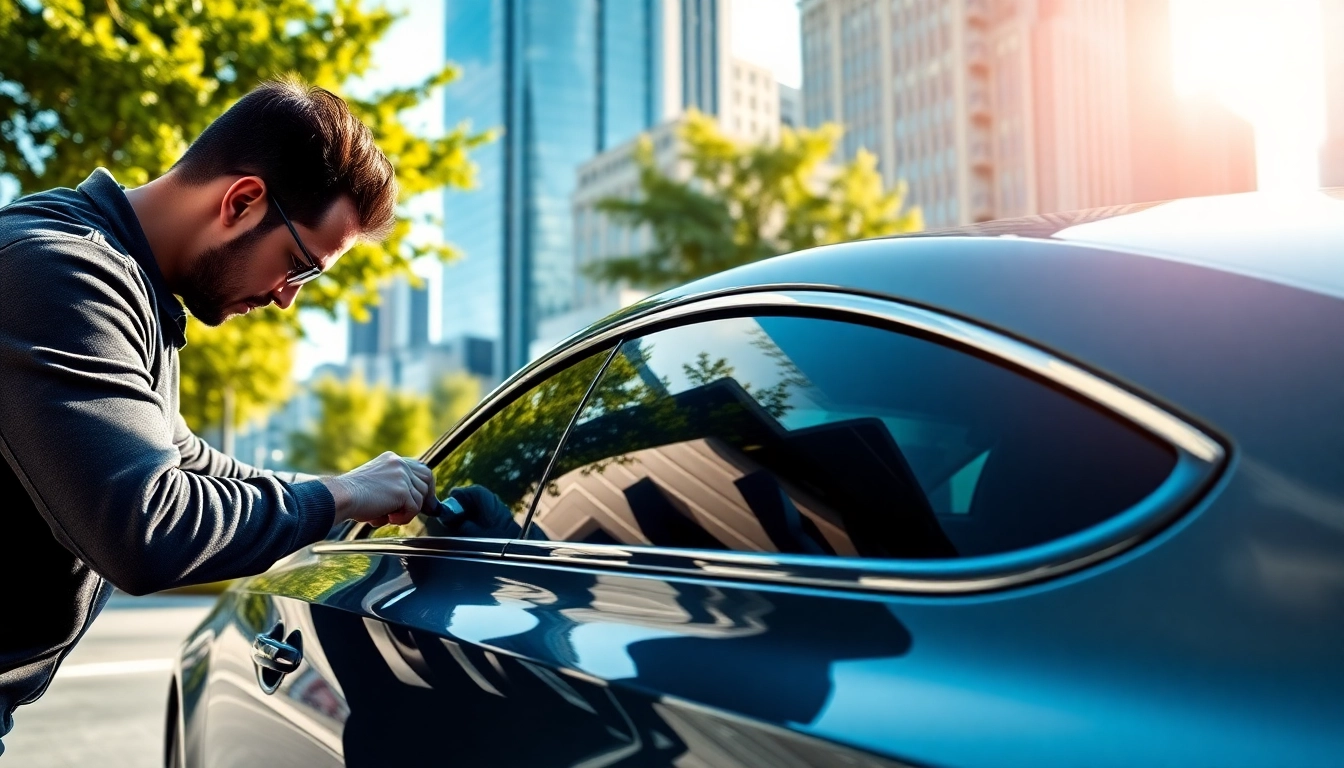
Understanding Ceramic Window Tint
What is Ceramic Window Tint?
Ceramic window tint is a sophisticated window film that utilizes ceramic particles, known for their heat rejection properties, to enhance vehicle comfort and safety. Unlike traditional dyes or metalized films, ceramic window tints offer a unique composition that delivers superior performance without compromising visibility. This innovative material is designed to block a significant amount of infrared heat and harmful UV rays, providing an effective barrier against the sun’s harsh rays. For those looking to balance aesthetics and performance, ceramic window tint is a top-tier option.
Benefits of Using Ceramic Window Tint
Opting for ceramic window tint comes with a plethora of advantages. Here are some key benefits:
- Heat Rejection: Ceramic films excel at blocking infrared heat, which helps in maintaining a cooler interior, reducing reliance on air conditioning and improving fuel efficiency.
- UV Protection: By blocking up to 99% of harmful UV rays, ceramic window tint protects passengers and prevents the fading of upholstery and dashboard materials.
- Clarity and Visibility: Adventure-seekers and driving enthusiasts alike will appreciate the clarity offered by ceramic tints, without the distortion common in other films.
- Durability: With exceptional resistance to scratches, fading, and peeling, ceramic window tints are built to last, even in harsh conditions.
- Privacy and Security: A darker tint enhances privacy while also protecting belongings from prying eyes, making your car a safer space.
How Ceramic Window Tint Works
Ceramic window tint works through innovative technology that differs from traditional window films. The ceramic particles embedded in the film do not contain any metals or dyes, which is crucial as this allows them to maintain optical clarity while effectively filtering heat and UV rays. When sunlight hits the glass, the tint reflects and absorbs the heat rather than allowing it to pass through, ensuring a significant reduction in interior temperature. This advanced process not only enhances comfort but also contributes to the longevity of the vehicle’s interior surfaces.
Choosing the Right Ceramic Window Tint
Factors to Consider When Selecting Tint
When selecting the right ceramic window tint for your vehicle, several factors must be considered to ensure optimal performance and aesthetics:
- Legal Regulations: Different states have varying laws concerning the allowable level of tint. Be sure to check the legal statutes in your area to avoid fines.
- Heat Rejection Rate: Look for products that specify their heat rejection capabilities. Higher rates provide better comfort in extreme weather conditions.
- Visible Light Transmission (VLT): Understand the percentage of light that the film allows to pass through; this will impact both visibility and aesthetic appeal.
- Brand Reputation: Opt for products from reputable manufacturers known for their quality and customer service.
Different Levels of Tinting
Ceramic window tint is available in a range of shades, offering differing levels of privacy and heat rejection. The terminology to describe these levels includes:
- Light Tint: Allows the most light and is often used for a subtle, refined appearance.
- Medium Tint: Balances light and privacy while offering enhanced heat resistance.
- Dark Tint: Provides maximum privacy and heat rejection, perfect for individuals wanting a bold look.
Choosing the right tint level largely depends on personal preference, lifestyle, and legal limits in your region.
Comparing Ceramic Window Tint with Other Tints
In the realm of window films, ceramic tints stand out when placed side by side with traditional options:
- Dye-Based Tints: While dye-based films are more cost-effective, they typically fade over time and do not provide the same level of heat rejection.
- Metalized Films: These are effective for blocking heat but may interfere with GPS and radio signals, whereas ceramic films do not.
- Hybrid Films: Combining elements of dye and metal, these films may have some advantages but often compromise on performance when compared to pure ceramic films.
It’s critical to make a choice that aligns with your driving habits, weather conditions, and preferences for aesthetics.
Professional vs. DIY Installation
Advantages of Professional Installation
Choosing professional installation for ceramic window tint offers numerous advantages:
- Expert Knowledge: Professionals can assess your needs accurately and recommend the best options suited for your vehicle.
- Experience: With extensive training, professional installers can ensure perfect application, reducing the chances of bubbles, creases, or misalignments.
- Warranty and Guarantee: Many professional services offer warranties on both the product and the installation, providing peace of mind.
DIY Installation: Pros and Cons
While DIY installation of ceramic window tint can save money, it comes with both pros and cons:
- Pros:
- Cost-Effective: Save on labor costs associated with professional installation.
- Flexibility: Install at your own pace and schedule.
- Cons:
- Risk of Mistakes: Without the proper skills, the result may be less professional, leading to issues such as bubbling or peeling.
- Time-Consuming: The process may take significantly longer than expected, especially for beginners.
Steps to Successfully Install at Home
If you decide to take on the project of installing ceramic window tint yourself, follow these steps for a successful application:
- Gather Supplies: Purchase high-quality ceramic window tint, a spray bottle with soapy water, squeegee, utility knife, and lint-free cloth.
- Prepare the Glass: Clean the windows thoroughly to remove dirt, dust, and grease to ensure proper adhesion.
- Measure and Cut: Measure the dimensions of your windows and cut the tint slightly larger than necessary.
- Soak and Apply: Spray the window with soapy water and then peel the protective layer from the tint. Apply the tint, smoothing out bubbles as you go.
- Trim Excess: Use the utility knife to carefully trim any excess film along the edges of the window.
- Final Touches: Use the squeegee to eliminate any remaining water and secure the tint in place.
Maintenance Tips for Your Ceramic Window Tint
How to Clean and Care for Your Tint
Proper maintenance of your ceramic window tint is essential for preserving its lifespan and effectiveness. Here are some maintenance tips:
- Use a gentle cleaning solution or mild soap mixed with water for cleaning the tinted surfaces.
- Use a soft cloth or sponge for application; avoid using abrasive materials that can scratch the tint.
- Clean windows gently to prevent lifting or damaging edges.
Common Issues and How to Address Them
Despite its durability, ceramic window tint can face certain issues. Here’s how to address them:
- Bubbles: If you notice bubbles, wait for them to settle before attempting to pop them gently with a pin.
- Peeling: If the film starts to peel, consult a professional to assess and repair the issue, as DIY fixes may lead to further damage.
Longevity of Your Ceramic Window Tint
The lifespan of ceramic window tint varies based on factors such as climate, application quality, and maintenance. Typically, this tint can last between 10 to 15 years. Consistent care and avoiding harsh chemicals are crucial to extend its life and performance.
FAQs About Ceramic Window Tint
What is the average lifespan of ceramic window tint?
Ceramic window tint typically lasts around 10 to 15 years, depending on maintenance and environmental conditions.
Can I remove ceramic window tint?
Yes, ceramic window tint can be removed, but it is recommended to seek professional help to avoid damage.
Is ceramic window tint legal in my area?
Laws vary by state regarding window tinting. Check local regulations before installation to ensure compliance.
How does ceramic window tint affect vehicle heat?
Ceramic window tint significantly reduces heat penetration, enhancing comfort and reducing glare inside the vehicle.
Does ceramic window tint provide UV protection?
Yes, ceramic window tint blocks up to 99% of harmful UV rays, protecting both passengers and vehicle interiors.