

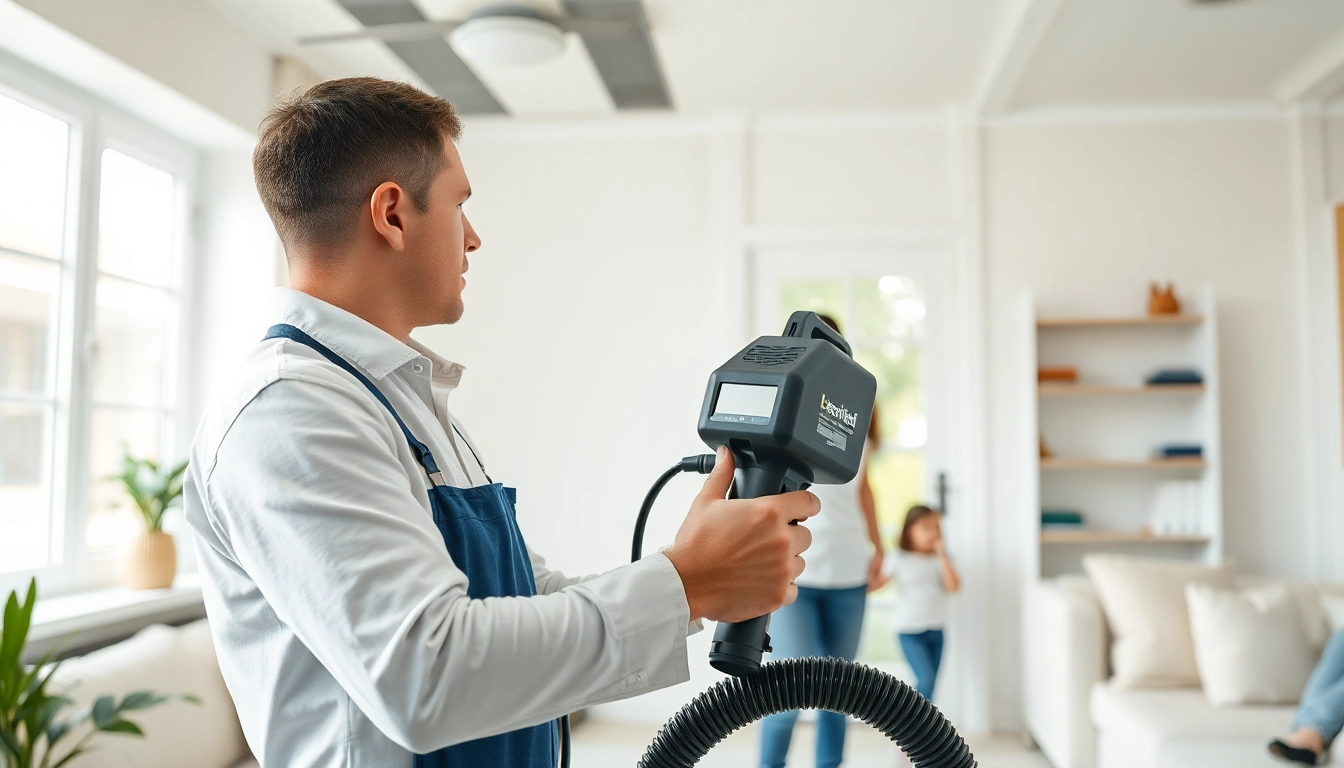
Understanding HVAC Cleaning: Importance and Benefits
In today’s world, where air quality is paramount, homeowners and businesses alike are increasingly aware of the importance of maintaining a clean and efficient HVAC system. HVAC Cleaning involves the professional cleaning of various components of your heating, ventilating, and air conditioning system. This critical service not only enhances indoor air quality but also ensures the efficiency and longevity of your HVAC equipment.
What is HVAC Cleaning?
HVAC cleaning is a comprehensive process that involves removing contaminants from the various components of an HVAC system. This includes air ducts, heat exchangers, coils, and blower motors. Over time, dust, dirt, mold, and allergens accumulate within these components, leading to decreased air quality and reduced system efficiency. Professional HVAC cleaning aims to eliminate this buildup, ensuring the system operates optimally and safely.
Health Benefits of Clean Air Ducts
One of the primary health benefits of regular HVAC cleaning is the removal of airborne pollutants. Pollutants can cause respiratory issues, allergies, and other health problems. Clean air ducts significantly reduce the presence of allergens, dust, and mold spores in indoor air. Families, particularly those with children, the elderly, or individuals with pre-existing health conditions, benefit immensely from cleaner air, leading to improved overall health and comfort.
Enhancing HVAC System Efficiency
A clean HVAC system operates more efficiently, consuming less energy and reducing utility bills. When dust and debris accumulate on coils and filters, the system works harder to maintain the desired temperature, leading to increased energy consumption. By investing in professional HVAC cleaning, homeowners can enhance their system’s efficiency and prolong its lifespan, ultimately saving money on repairs and replacements.
Common Issues Caused by Neglected HVAC Systems
Identifying Dust and Allergen Buildup
Neglected HVAC systems are prone to significant dust and allergen buildup. Homeowners may notice visible dust accumulating in vents or on furniture, indicating that the air ducts require cleaning. Additionally, an increase in allergy symptoms among family members can signal that dust and allergens are circulating throughout the living space.
Impacts on Energy Efficiency and Cost
When HVAC systems are not cleaned regularly, they become less efficient. This can result in higher energy bills and increased wear and tear on the equipment. The system has to work harder to achieve the same results, leading to a shorter lifespan and increased maintenance costs. Homeowners often find that regular HVAC cleaning results in a more reliable system and lower energy expenses.
Health Risks: Mold and Air Quality Concerns
One of the significant risks associated with neglected HVAC systems is the potential for mold growth within the ducts. Mold thrives in damp, dirty environments and can lead to severe health complications if inhaled. Regular cleaning removes moisture and debris where mold can grow, greatly reducing the risk of respiratory issues and ensuring the air quality remains healthy.
HVAC Cleaning Process: Best Practices to Follow
Step-by-Step Cleaning Techniques
The HVAC cleaning process typically involves several steps. Certified technicians start with a thorough inspection, checking for visible signs of debris and potential contamination. Next, they utilize specialized vacuums and brushes to clean ducts and other components effectively. High-powered suction and agitation devices help dislodge and remove contaminants from the ductwork.
Equipment and Tools Used for Effective Cleaning
Effective HVAC cleaning requires specialized tools. Technicians often use high-efficiency particulate air (HEPA) vacuums, rotary brushes, and air whips to ensure a deep clean. These tools enable professionals to remove dirt, allergens, and other particles from the system without leaving debris behind.
Adhering to EPA Standards and Guidelines
Reputable HVAC cleaning services adhere to the Environmental Protection Agency (EPA) guidelines to ensure safe and effective cleaning practices. Following these standards assures customers that their air quality will improve without compromising their health or the environment. Certification from recognized bodies further bolsters the credibility of HVAC service providers.
Choosing the Right HVAC Cleaning Service
What to Look for in a Certified Technician
When selecting an HVAC cleaning service, it’s vital to choose certified technicians. Look for companies that employ trained professionals who understand the complexities of HVAC systems. Certifications from bodies like the National Air Duct Cleaners Association (NADCA) demonstrate a commitment to quality and ongoing education in the field.
Comparing Service Offers and Costs
Certain companies may offer a wide range of services at different price points. When comparing offers, evaluate what is included in the service. Some companies may provide basic cleaning, while others offer comprehensive packages that include inspections, mold remediation, and post-cleaning evaluations. Ensuring you get value for your investment is crucial.
Reviewing Customer Testimonials and Ratings
Feedback from previous customers can provide insights into a company’s reliability and quality of service. Look for online reviews and testimonials to gauge customer satisfaction. High ratings from reputable review platforms can guide your decision and help you choose a trusted HVAC cleaning provider.
Future Trends in HVAC Cleaning Services for 2026
Innovations in Cleaning Technologies
The HVAC cleaning industry is witnessing rapid advancements in technology. Innovations such as robotic cleaning systems and enhanced air quality monitoring tools are set to become more commonplace. These technologies will facilitate more efficient and thorough cleaning processes, further improving indoor air quality for consumers.
Sustainability Practices in HVAC Maintenance
As environmental concerns grow, HVAC cleaning services are beginning to adopt more sustainable practices. This includes using eco-friendly cleaning agents and promoting energy-efficient HVAC systems. By prioritizing sustainability, companies enhance their reputation while contributing positively to the environment.
Anticipating Changes in Regulations and Standards
As the understanding of indoor air quality improves, regulations surrounding HVAC cleaning are likely to evolve. Companies should stay informed about these changes to ensure compliance and maintain high service standards. Anticipating shifts in regulations can give businesses a competitive edge and help provide customers with the best service possible.