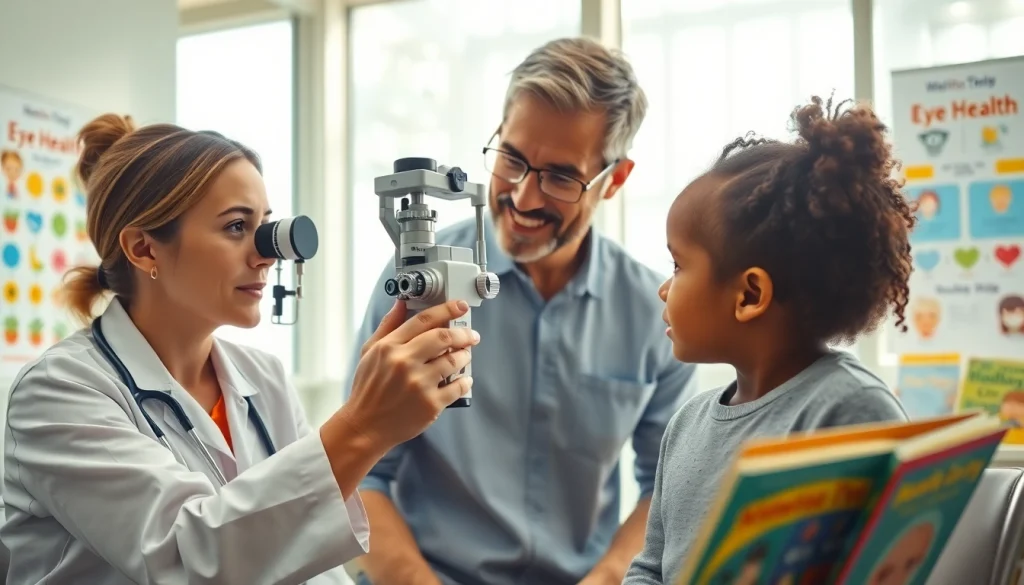
The Crucial Role of Eye Health for Children
Ensuring the healthy development of children encompasses various aspects of physical well-being, and one of the most critical yet overlooked areas is their vision. Recognizing this importance, Our Children’s Vision advocates for proactive measures to improve eye care for children. This article explores the significance of eye health in children, common vision problems, and effective strategies to enhance access to eye care services.
Understanding Common Vision Problems
Vision problems can manifest early in childhood and significantly impact a child’s ability to learn and engage in daily activities. Common issues include refractive errors, strabismus (crossed eyes), and amblyopia (lazy eye). Refractive errors such as myopia (nearsightedness), hyperopia (farsightedness), and astigmatism result from the eye’s inability to focus light correctly, which often leads to blurred vision. Approximately 80% of learning occurs through sight, highlighting the urgency of addressing these challenges early.
Early Detection: Why It Matters
Early detection of vision problems is paramount to minimizing long-term impacts on children’s development. Regular eye examinations, starting at an early age—in some cases as young as six months—enable healthcare providers to identify issues that could lead to significant learning difficulties or social challenges. The American Optometric Association recommends comprehensive eye exams at ages 1, 3, and 5 to ensure children are on track for healthy vision.
Impact of Poor Vision on Child Development
The implications of poor vision extend beyond mere sight issues. Research indicates that children with undiagnosed vision problems are more likely to struggle academically and socially. They may exhibit reduced participation in school activities, experience behavioral issues, and have lower self-esteem. Moreover, prolonged vision deficiencies can hinder physical coordination and even lead to an increased risk of accidents.
Barriers to Accessing Eye Care
Despite the known importance of eye health, numerous barriers hinder children from receiving adequate eye care. Identifying and addressing these obstacles is vital to ensure every child has access to essential services.
Lack of Awareness and Education
A significant barrier to accessing eye care is the general lack of awareness among parents and caregivers regarding the importance of regular eye examinations. Many families underestimate the frequency of eye exams or do not recognize the signs of vision problems. Community education initiatives that emphasize the importance of eye health can help bridge this gap, fostering a culture of proactive health care among parents.
Geographical Disparities in Eye Health Services
Access to eye care services varies significantly by geographical location, with rural areas experiencing a stark deficit of eye care professionals and facilities. Children in remote locations may face travel barriers that prevent them from accessing critical services. Mobile eye care clinics and telehealth options can help mitigate these disparities, bringing essential services directly to underserved populations.
Financial Challenges for Families
The costs associated with eye examinations and treatments can pose significant financial challenges for many families. In some instances, individuals may lack insurance coverage or find out-of-pocket expenses prohibitively high. Community programs that offer free or low-cost eye screenings and treatment options can provide much-needed support for families struggling with financial constraints.
Strategies to Promote Our Children’s Vision
To improve children’s eye health, multifaceted strategies must be developed and implemented. Collaboration among healthcare providers, educators, and community organizations is essential to foster environments that promote healthy vision.
Community Outreach and Education
Emphasizing community outreach and education programs can significantly enhance awareness about the importance of eye health. Initiatives such as workshops and school presentations can provide families with valuable information on recognizing signs of vision problems and the necessity of routine exams. Partnerships with local schools and organizations can maximize outreach efforts, ensuring that vital information is effectively disseminated to those most in need.
Partnerships with Health Organizations
Collaborating with various health organizations can amplify the impact of local initiatives. These partnerships can facilitate resource sharing, allowing communities to implement eye care programs more effectively. Organizations can offer training for healthcare professionals or educational materials that can be distributed to parents and schools. Through these alliances, communities can harness greater expertise and funding, enabling more comprehensive and widespread programs for children’s vision health.
Innovative Programs for Eye Health Access
Innovative programs such as school-based eye health initiatives can provide crucial support for children. Such programs may include vision screenings, partnerships with local optometrists to provide follow-up care, and the distribution of glasses for those in need. Additionally, the use of telemedicine can facilitate follow-up consultations, ensuring that children receive the necessary care without the burden of transportation issues. By leveraging technology and local resources, these programs can effectively reach large numbers of children.
Professional Roles in Supporting Eye Care
A variety of professionals play essential roles in ensuring that children receive the eye care they need. Understanding how each contributes to the overall health of children can help underline the importance of a collaborative approach.
The Role of Pediatricians
Pediatricians serve as front-line healthcare providers for children, making them ideally placed to initiate conversations about vision health. They can perform basic vision screenings during routine check-ups and refer children to specialists for comprehensive evaluations when issues are suspected. Training pediatricians regarding vision health will enable them to better recognize the signs that necessitate further attention.
Optometrists and Eye Health Checks
Optometrists specialize in diagnosing and managing eye diseases, making their role pivotal in monitoring children’s vision health. Regular eye exams conducted by optometrists are critical for identifying and correcting vision problems early. Optometrists can also educate families on proper eye care practices, from proper screen use to the importance of UV protection for children’s eyes.
Importance of School Screening Programs
School screening programs represent an essential method of identifying vision problems early. By integrating eye health checks into the school system, communities can ensure that every child receives a basic vision assessment. These programs can be developed in collaboration with local optometrists, who can facilitate the screenings and subsequent follow-ups as needed.
Measuring Success in Eye Care Initiatives
To assess the effectiveness of various initiatives, it is essential to measure successes through tangible metrics. This evaluation not only improves ongoing efforts but also supports advocacy for increased funding and support for such initiatives.
Tracking Improvements in Children’s Vision
Establishing baseline data concerning children’s vision health can help monitor progress effectively. By analyzing metrics such as screening rates, referrals, and treatment rates, communities can evaluate the success of their initiatives. Additionally, tracking improvements in children’s academic performance and social behavior can provide further evidence of the benefits of adequate eye care.
Evaluating Community Impact and Outreach Effectiveness
Evaluating the broader impact of outreach efforts is crucial for understanding how best to allocate resources. Surveys and interviews can be employed to measure the awareness and perceptions of community members regarding eye health services. Additionally, feedback from parents, educators, and healthcare professionals can provide insights into outreach effectiveness and areas for improvement.
Future Goals for Our Children’s Vision
Looking ahead, it is vital that the efforts to support children’s eye health continue to evolve. Future goals include expanding access to eye care in underserved communities, enhancing collaboration among different sectors, and continuing to advocate for policy changes that support comprehensive vision health initiatives. By fostering a society that prioritizes children’s vision, we can pave the way for healthier, more successful futures for all children.