

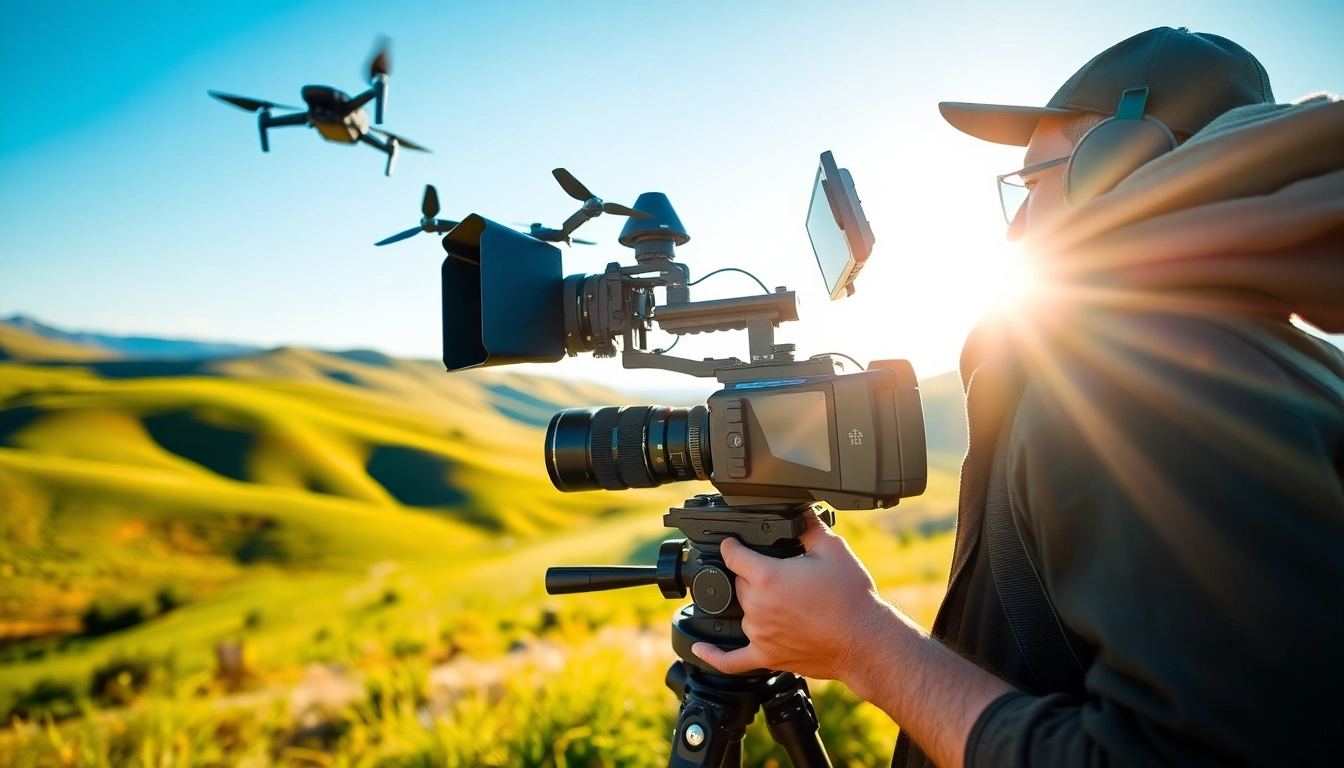
Understanding the Basics of Vediography
Defining Vediography
Vediography refers to the art and practice of capturing moving images through electronic means, typically utilizing digital cameras and various forms of media storage. Unlike traditional filmmaking, which often involves complicated film stock and large crews, vediography is accessible to a broader audience, ranging from seasoned professionals to enthusiastic amateurs. The democratization of technology in recent years has made it possible for virtually anyone to start vediography using smartphones and consumer-level cameras, thus transforming the landscape of visual storytelling. With its roots deeply embedded in pre-existing mediums such as cinema and television, vediography encompasses both the creative and technical aspects of crafting engaging video content.
Key Equipment for Vediography
When diving into the world of vediography, having the right equipment is essential for producing high-quality video output. Here are some crucial pieces of hardware and software you’ll need:
- Cameras: Whether you opt for a professional-grade DSLR or a smartphone, the camera serves as your primary tool. Consider the resolution, frame rates, and low-light performance while making your choice.
- Tripods/Gimbals: Stabilization equipment helps to minimize shake and adds a level of professionalism to your videos. Gimbals are particularly useful for dynamic shots where you are moving.
- Microphones: Since sound quality often gets overlooked, investing in a good microphone—such as a lavalier or shotgun mic—is critical for clear audio.
- Lighting Kits: Good lighting can drastically improve the quality of your videos. Softbox lights, ring lights, and LED panels are commonly used to achieve well-lit scenes.
- Editing Software: Familiarize yourself with editing applications like Adobe Premiere Pro, Final Cut Pro, or even free options like DaVinci Resolve. Post-production is where your video comes alive.
Common Challenges in Vediography
As with any form of art, vediography comes with its set of challenges. Here are some common obstacles you may encounter:
- Technical Difficulties: Issues with equipment can arise, such as camera malfunctions or software failures during editing. Always have backup solutions and familiarize yourself with troubleshooting methods.
- Time Management: Balancing the shooting schedule with editing time can be daunting, especially for larger projects. Being organized and setting realistic deadlines can alleviate this stress.
- Creativity Blocks: Finding creative inspiration can be a struggle. Engaging with other creators or studying various art forms can help spark new ideas.
- Market Saturation: With so many people producing content, standing out becomes difficult. Developing a unique style or niche can be a solution.
Essential Techniques for Vediography
Camera Settings and Lighting Tips
Understanding how to manipulate your camera settings is vital for successful vediography. Here are key settings to consider:
- ISO: Adjusting the ISO impacts your video’s brightness. A higher ISO is suitable for darker environments but can introduce noise.
- Aperture: The aperture controls the depth of field. A lower f-stop allows more light and creates a blur effect that isolates subjects.
- Shutter Speed: A general rule is to set your shutter speed to double your frame rate (e.g., 1/50 for 24fps). This helps maintain motion blur, making action appear smooth.
Lighting can dramatically affect the mood of your video. Consider the following tips:
- Use three-point lighting techniques to create dimension.
- Natural light can be your best asset; consider filming during golden hour for softer light.
- Experiment with colored gels to enhance your scenes creatively.
Framing and Composition in Vediography
Effective framing and composition can enhance visual storytelling. Utilize foundational principles like:
- Rule of Thirds: Positioning key elements along grid lines or at their intersections draws viewers’ eyes to focal points.
- Leading Lines: Use roads or visual paths in your scenes to lead the viewer’s eye through the video. This adds depth and guides attention.
- Framing and Symmetry: Use surrounding elements to frame your subjects, enhancing focus and engagement.
Sound and Editing Essentials
Sound design is often an overlooked aspect of vediography that can make or break your project. Consider the following:
- Background Noise: Be aware of ambient sounds that interfere with your recordings. Use windshields or isolation techniques when shooting outdoors.
- Soundtrack Selection: The right music sets the tone and can evoke emotions. Always ensure that you have the rights to use the tracks selected.
- Sound Mixing: Pay attention to levels and ensure dialogue is crisp against background music; this adds a professional touch.
Editing is where your footage transforms into a polished video. Key editing tips include:
- Cutting on Action: Make transitions smooth by cutting during motion, so viewers don’t perceive the shift.
- Using B-Roll: Supplement primary footage with relevant B-roll to enrich your storytelling.
- Color Correction: Color grade your footage for consistency across scenes, enhancing the overall aesthetic.
Advanced Vediography Techniques
Using Drones in Vediography
Drones have revolutionized vediography, providing unique perspectives that were once impossible to capture. Here are some tips for drone vediography:
- Understand Regulations: Familiarize yourself with local laws governing drone usage to ensure compliance.
- Planning Your Shots: Pre-visualize your shots to maximize the benefits of flight time and battery life.
- Mastering Drone Controls: Practice controlling your drone to achieve smooth movements and majestic aerial shots.
Incorporating Timelapse and Slow Motion
Both timelapse and slow-motion techniques can generate compelling video sequences. When utilizing timelapse:
- Stabilize your camera on a tripod to avoid jitter.
- Use appropriate interval settings to depict movements accurately over time.
- Consider lighting changes, which can affect the timelapse. It’s ideal to shoot during the same time of day.
For slow-motion:
- Record at a higher frame rate (e.g., 120fps) for smooth playback.
- Ensure good lighting; slow-motion video requires brighter settings to maintain quality.
Color Grading and Visual Effects
Color grading enhances the atmosphere and emotion of your video. When color grading, keep in mind:
- Establish a color palette that fits the narrative of your video.
- Be subtle; excessive color grading can distract rather than enhance your message.
- Experiment with LUTs (Look-Up Tables) to give your footage a cinematic look.
Incorporating visual effects can add a unique touch. Here’s how:
- Use VFX software to create compelling transitions or designs that align with your footage.
- Maintain coherence between the effects and your main footage to ensure that the story flows seamlessly.
Building a Vediography Portfolio
Choosing Your Best Work to Showcase
Your portfolio is essentially your calling card in the vediography world. Select projects that demonstrate versatility and creativity. Consider:
- Highlight a diverse range of styles and genres to show your adaptability.
- Include projects that received positive feedback or won competitions, as these will bolster your credibility.
- Keep your portfolio updated; regularly refresh it with your most recent work to reflect current skills.
Creating an Online Presence
In today’s digital landscape, having a robust online presence is crucial for attracting clients. Strategies to enhance your online footprint include:
- Building a professional website that showcases your portfolio and provides information about your services.
- Utilizing social media platforms, such as Instagram or YouTube, to share your work and engage with your audience.
- Engaging in forums and vediography communities online to expand your network and gain visibility.
Networking and Collaboration Strategies
Networking is fundamental in building a successful career in vediography. To leverage networking effectively:
- Attend industry events, workshops, and meetups to connect with fellow videographers and potential clients.
- Collaborate with other artists to foster creativity and combine resources, leading to unique projects.
- Build relationships with clients; positive word-of-mouth can significantly influence future projects.
Future Trends in Vediography
Emerging Technologies Impacting Vediography
As technology evolves, so does vediography. Look out for these emerging trends:
- Artificial Intelligence: AI is streamlining editing processes, automating tasks like video stabilization and color correction.
- 360-Degree Video: This immersive technology enables viewers to engage in an interactive experience.
- Virtual and Augmented Reality: Implementing VR and AR provides unique storytelling opportunities and creates engaging content.
Shifts in Viewer Preferences
Understanding your audience is key. Viewer preferences are shifting towards engaging content that is:
- Short-form and snackable, making platforms like TikTok and Instagram Reels popular.
- Interactive, allowing audiences to influence the narrative through choices.
- Authentic and relatable, with viewers gravitating towards content that feels genuine and unscripted.
Preparing for a Career in Vediography
To thrive in a career in vediography, consider implementing the following:
- Continuously enhance your skills through online courses, workshops, and hands-on practice.
- Stay updated with trends and advancements in technology to maintain relevancy in the industry.
- Seek mentorship from experienced professionals to gain insights and guidance.
Vediography is an ever-evolving field that rewards creativity, technical skills, and continuous learning. By mastering the foundational techniques, leveraging state-of-the-art technologies, and building a strong network, you can position yourself for success in this dynamic industry. Experience the transformative journey of storytelling through vediography, where each frame has the potential to evoke emotions and connect with audiences worldwide. For more resources and expert insights, you can explore Vediography, and take your skills to the next level.