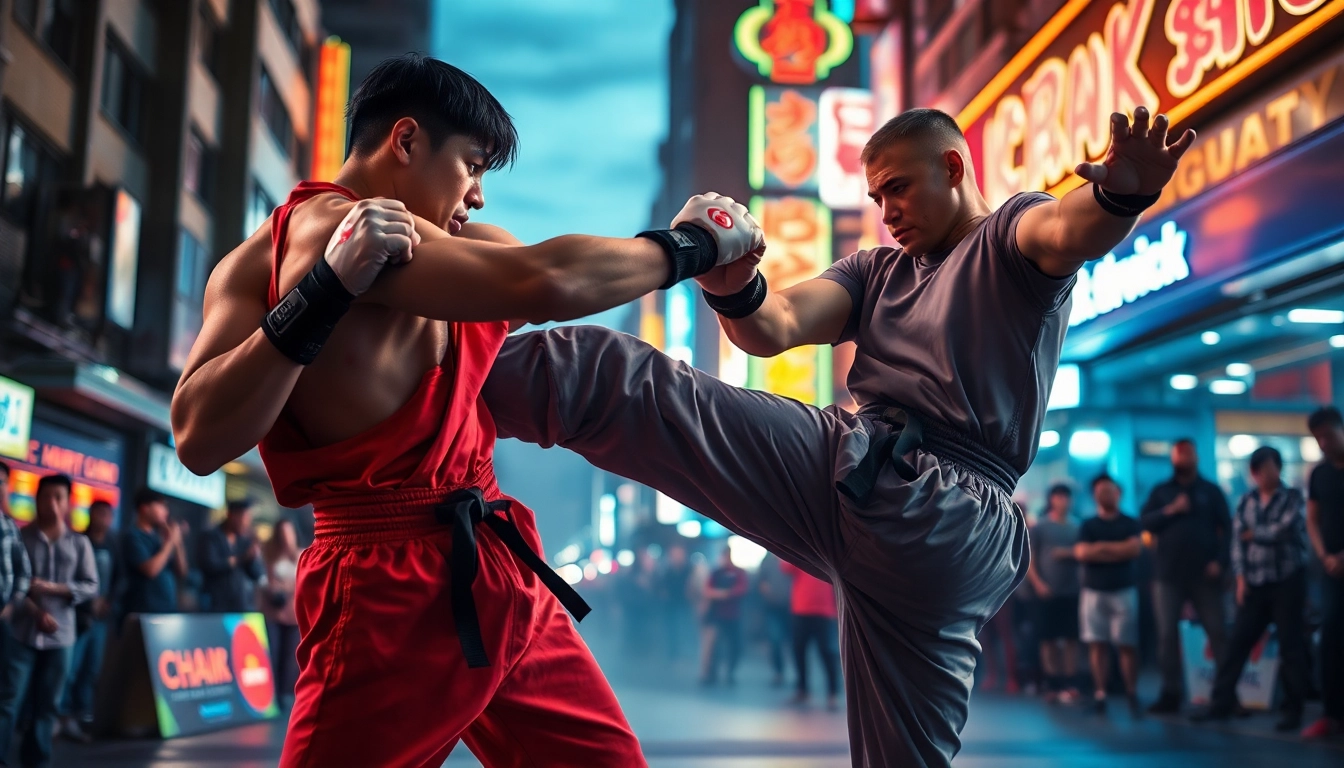
Understanding the Martial Arts Thriller Genre
The realm of cinema has long been captivated by the heart-pounding experiences offered by the Martial Arts Thriller genre. This niche amalgamation blends the intensity of martial arts with the suspense of thriller storytelling, creating a captivating tapestry that keeps audiences on the edge of their seats. In understanding this genre, we delve into its definition, its key elements, and its evolutionary journey over the decades.
Defining Martial Arts Thriller
A Martial Arts Thriller is a film genre that combines elements of martial arts, typically showcasing impressive combat skills, with suspenseful plotlines that weave tension and excitement. Unlike conventional action movies, these films often focus on psychological manipulation, interpersonal conflicts, and stakes that extend beyond mere physical confrontation. The narratives often feature unexpected twists, moral dilemmas, and a psychological battle, all enhanced by martial arts choreography that serves both as a means of character expression and a visceral form of entertainment.
Key Elements of Martial Arts Thrillers
- Action-Packed Choreography: A hallmark of martial arts thrillers is the intricate choreography that not only entertains but furthers the narrative. Techniques often incorporate strikes, grappling, and weapons-heavy combat with a heightened emphasis on visual storytelling.
- Tension and Suspense: Building suspense is critical. The thrill doesn't merely come from the action, but from the build-up of tension within characters and situations. Unexpected twists and turns keep viewers engaged.
- Complex Characters: Characters in martial arts thrillers are often multi-dimensional, showcasing a blend of heroism and flaws. Protagonists face moral challenges, while villains may possess redeeming qualities, blurring traditional lines between good and evil.
- Cultural Influences: Many martial arts thrillers draw heavily from specific cultural backgrounds, often showcasing rich traditions and philosophies tied to martial arts, which adds a layer of depth to narratives.
The Evolution of the Genre
Trying to trace the evolution of the Martial Arts Thriller is akin to examining the lineage of martial arts itself. From the early days of martial arts cinema in the 1970s with films featuring Bruce Lee like "Enter the Dragon" that merged stunning martial artistry with an engaging narrative, to modern blockbusters that incorporate sophisticated special effects and complex plots, the genre has significantly evolved. Developments in filming techniques and choreography have also transformed the way action is presented, allowing filmmakers to craft sequences that are both breathtaking and narratively rich.
Milestone Films in Martial Arts Thrillers
Throughout cinema history, several films have served as milestones within the Martial Arts Thriller genre, establishing not just a standard for storytelling but also elevating the cinematic portrayal of martial arts.
Classic Examples that Shaped the Genre
Among the classic examples, films like "The Karate Kid" and "Hard Boiled" stand out not only for their martial arts action but for their compelling stories and character arcs. The former introduced audiences to the themes of perseverance and mentorship while featuring iconic fight sequences that influenced future generations. "Hard Boiled," directed by John Woo, melded bullet ballets with martial arts, redefining the execution of action in cinema.
Recent Additions to the Martial Arts Thriller Category
As the genre continues to flourish, recent films such as "John Wick" and "The Night Comes for Us" have pushed boundaries, incorporating diverse fighting styles and complex character motivations. "John Wick," while rooted in action, employs a rich narrative world that explores themes of revenge and redemption, effectively utilizing martial artistry to propel character development.
Notable Directors and Their Impact
Visionary directors like Quentin Tarantino, Ang Lee, and Gareth Evans have significantly impacted the martial arts thriller landscape. Their unique storytelling approaches and visual styles have rejuvenated the genre, attracting wider audiences. For example, Tarantino's "Kill Bill" series marries classic kung fu aesthetics with contemporary storytelling, while Evans with "The Raid" has raised the bar for fight choreography, blending traditional and modern techniques in a seamless fashion.
Character Archetypes in Martial Arts Thrillers
Character development plays a crucial role in enthralling the audience. The layers of each character often drive the plot forward as motivations, fears, and desires intertwine throughout the narrative.
Protagonists: Heroes and Anti-Heroes
Protagonists in martial arts thrillers range from traditional heroes to complex anti-heroes. Characters like Ip Man and Jason Bourne represent the archetypal hero, embodying honor and resilience. In contrast, anti-heroes such as John Wick and Frank Martin in "The Transporter" demonstrate that morality can be fluid, providing depth and resonance with audiences.
Villains: Complex Antagonists in Action
Compelling villains add richness to martial arts thrillers. They challenge the protagonist both physically and mentally. Villains like Bai Ling in "Crank" or the enigmatic characters in "Oldboy" illustrate that motivations can be complex, often driven by tragic backstories, thus inviting audiences to empathize with their struggles, albeit momentarily.
Supporting Characters and Their Roles
Supporting characters, often used as allies or mentors, are integral to the protagonist's journey. Characters like Mr. Miyagi in "The Karate Kid" serve not only as martial arts instructors but also as moral compasses for the lead, imparting wisdom and guiding their growth through challenges.
Martial Arts Techniques Depicted in Film
Films in the Martial Arts Thriller genre bring a host of techniques to the forefront, each contributing to the narrative's intensity.
Authenticity vs. Hollywood Interpretation
While films aim for authenticity in depicting martial arts techniques, the Hollywood interpretation often exaggerates or adapts them for cinematic effect. This can lead to awe-inspiring sequences that captivate audiences, even if they stray from reality. Films like "Crouching Tiger, Hidden Dragon" enhance gravity-defying movements, showing that these adaptations can serve more than spectacle—they become integral to character expression and thematic undercurrents.
Popular Martial Arts Styles in Thrillers
Martial arts thrillers showcase a variety of styles, from traditional forms like Kung Fu and Taekwondo to modern adaptations such as MMA techniques. Each style brings its unique flavor to the storytelling. For instance, Jeet Kune Do in "Enter the Dragon" reflects Bruce Lee’s philosophy of adaptability, while the grace of Capoeira in "Only the Strong" highlights Brazil's cultural influence.
The Influence of Choreography on Suspense
Choreography is paramount in martial arts thrillers, not just for action but as a storytelling device. Well-executed fight scenes can heighten the tension and propel the narrative. Films that masterfully blend dialogue with fight choreography create moments where silence speaks volumes, enhancing dramatic tension. The dynamic fight choreography creates a rhythm that resonates through the film, tantalizing audiences and propelling forward the narrative momentum.
The Future of Martial Arts Thrillers
As we look ahead, the Martial Arts Thriller genre is poised for exciting developments, marked by various trends and shifts in storytelling approaches.
Emerging Trends and Innovations
Currently, there's a noticeable trend toward blending technology with traditional storytelling. Virtual reality, augmented reality experiences, and improved action choreography through CGI offer new possibilities for how martial arts narratives unfold on-screen. Moreover, the incorporation of diverse voices has led to richer, more varied storytelling, expanding the possibilities within the genre.
International Influences on the Genre
The globalization of cinema introduces new influences that enrich the martial arts thriller genre. With filmmakers from various cultural backgrounds entering the field, audiences can experience different perspectives and narratives. The fusion of Western and Eastern storytelling techniques creates a melting pot of creativity that appeals to a global audience, enhancing the genre's depth and reach.
How Streaming Services Are Transforming Martial Arts Thrillers
Streaming platforms play a transformative role in the accessibility and visibility of martial arts thrillers. With diverse catalogs available to viewers worldwide, unique stories that previously may have gone unnoticed can now find an audience. As subscribers seek fresh content, platforms investing in original martial arts programming can drive innovation and invite new talent into the genre, nurturing the vibrancy of the Martial Arts Thriller.