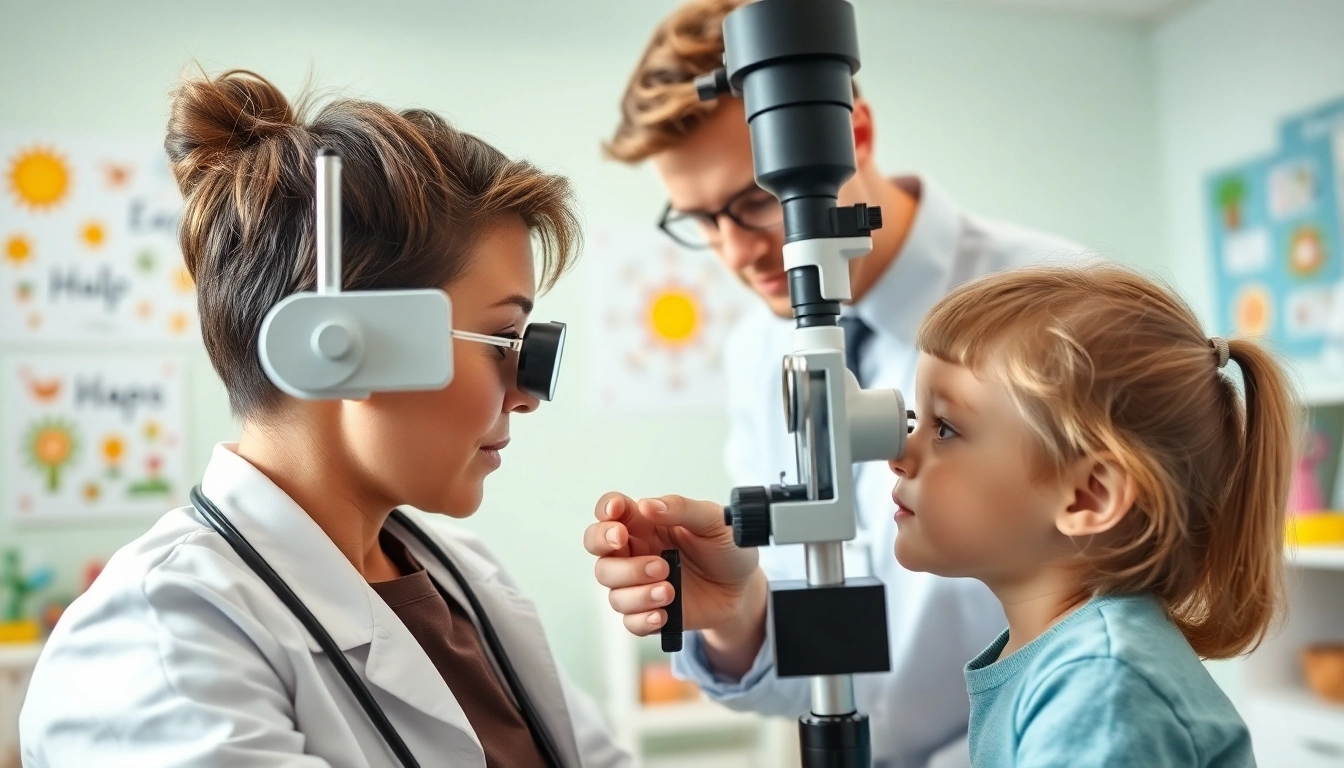
Understanding Our Children's Vision Needs
Having healthy vision is crucial for every child's development, learning, and overall well-being. Vision problems can significantly affect a child's ability to participate fully in daily activities, making it imperative for caregivers and parents to prioritize eye health. Despite this importance, millions of children around the world remain vision impaired due to a lack of access to essential eye care services. Initiatives like Our Children's Vision aim to alleviate these disparities by promoting awareness and improving access to eye care.
The Importance of Regular Eye Exams
Regular eye exams are a cornerstone in the preventive approach to maintaining children's vision health. These exams allow for early detection of potential problems, which is crucial because many vision issues are often asymptomatic in their early stages. For instance, conditions such as amblyopia (lazy eye) or strabismus (crossed eyes) can be effectively managed if identified early.
The American Academy of Ophthalmology recommends that children have their first eye exam before their first birthday, followed by subsequent exams at ages three and five, and then every one to two years after that, or as directed by an eye care professional. By ensuring children undergo routine screenings, parents can help catch any issues early on, making treatment easier and more effective.
Common Vision Problems in Children
Understanding common vision problems that children may face is crucial for both parents and educators. Some prevalent issues include:
- Myopia (Nearsightedness): A condition where distant objects appear blurry while close objects can be seen clearly. This is becoming increasingly common, particularly among school-aged children.
- Hyperopia (Farsightedness): The opposite of myopia, where distant objects appear clear but nearby objects are blurry. It can lead to eye strain and difficulty focusing.
- Astigmatism: A refractive error caused by an irregular shape of the eye, leading to distorted or blurred vision at all distances.
- Amblyopia: Often referred to as lazy eye, this condition can lead to vision loss if not treated properly in childhood, where one eye fails to achieve normal vision, usually due to strabismus or significant differences in refractive errors.
- Strabismus: This misalignment of the eyes can cause problems with depth perception and may require surgical intervention if severe.
Awareness of these common conditions allows parents to better observe their children's behaviors and symptoms, seeking timely advice from eye care professionals when necessary.
How Parents Can Advocate for Eye Care
Parents play a crucial role in advocating for their children's eye health. Here are several strategies to consider:
- Education: Staying informed about the importance of eye health and the various conditions that can affect vision enables parents to engage in proactive discussions with healthcare providers.
- Communication: Parents should feel empowered to ask questions during health care visits, specifically about their child’s vision and any recommended screenings or tests.
- Networking: Connecting with other parents or groups concerned with children's health can provide valuable support and resources for accessing eye care services.
- Engagement: Encourage schools to incorporate regular vision screenings and education about eye health into their health programs.
Accessing Eye Care Services
Accessing quality eye care services is vital in ensuring that children's vision health is prioritized. As such, community resources should be utilized fully.
Navigating Local Resources for Eye Exams
To effectively navigate the landscape of available local resources for children's eye exams, parents can:
- Research local eye care providers, including pediatric ophthalmologists, optometrists, and community health clinics that offer vision screenings.
- Check if local schools conduct mandatory vision screenings, which can serve as an entry point for identifying children who may need further evaluation.
- Look for community outreach programs that might offer free or low-cost eye exams, especially in underserved areas.
Developing Partnerships with Schools and Community Programs
Creating a cooperative relationship with local schools and community programs can enhance children's access to necessary eye care:
- Schools can organize vision screening days where optometrists volunteer to assess students’ vision.
- Collaboration with local health departments to raise awareness regarding the importance of eye health can bolster support for ongoing vision screening initiatives.
- Establishing connections with nonprofit organizations dedicated to eye care can provide additional resources and outreach opportunities.
Utilizing Technology for Eye Health Awareness
In the digital age, technology plays an integral role in spreading awareness about children's eye health:
- Parents can utilize apps and online resources to track and manage their child’s eye health information, keeping thorough records of exams and treatments.
- Social media provides a powerful platform for raising awareness about children's eye health, allowing successful initiatives to be shared widely.
- Telemedicine options are becoming increasingly available, offering parents and children convenient access to eye care professionals for consultations and check-ups.
Improving Awareness Around Children's Eye Health
Increasing general awareness about children’s eye health is imperative for fostering proactive care:
Educational Campaigns for Parents and Caregivers
Tailored educational campaigns that inform parents and caregivers about the importance of eye health can significantly impact children's overall well-being:
- Workshops and seminars focused on children's eye care can provide vital information to families.
- Creating engaging materials such as pamphlets, videos, and infographics can broaden understanding of common eye conditions.
- Utilizing school platforms to disseminate information about structured vision programs can ensure higher parental involvement.
Engaging with Healthcare Providers
Collaboration with healthcare providers can enhance the focus on children's eye health:
- Encouraging pediatricians to consistently raise discussions about eye health during wellness visits can lead to early detection.
- Establishing referral programs between pediatricians and optometrists can optimize care pathways.
- Facilitating continuous education for healthcare providers ensures they remain updated about the latest practices in child eye health.
Leveraging Social Media for Outreach
Social media platforms can be powerful tools for raising awareness about children's eye health:
- Follow and share posts from reputable organizations that focus on children’s health to disseminate accurate information.
- Host virtual events or webinars that address common concerns and questions about children's eye care.
- Create challenges or campaigns that encourage families to share their experiences regarding eye care, fostering a sense of community and shared responsibility.
Strategies for Proactive Eye Health
Taking proactive measures is critical to maintaining children’s eye health throughout their development:
Encouraging Healthy Vision Habits from a Young Age
Embedding good vision habits early on lays the foundation for a lifetime of healthy eyesight. Consider the following:
- Teach children the importance of regular eye care, explaining how their vision impacts their performance in school and play.
- Making eye safety a family priority, especially during sports or outdoor activities, can mitigate risks associated with injuries.
- Encourage children to take regular breaks while engaging in tasks that require prolonged focusing, such as reading or screen time.
Sports and Physical Activity's Impact on Eye Health
Incorporating sports and physical activity into daily routines positively affects children’s eye health:
- Active participation in sports not only promotes physical fitness but also boosts visual skills such as tracking and depth perception.
- Encouraging variety in physical activity can help children develop a broader range of visual skills essential for different sports and activities.
- Utilizing sports as a platform to teach children about eye safety and the importance of protective eyewear can minimize the risk of eye injury.
Screen Time Management Techniques
With the increasing presence of screens in children's lives, managing screen time is vital:
- Implement the "20-20-20" rule where children look at something 20 feet away for at least 20 seconds after every 20 minutes of screen time.
- Encourage outdoor play which naturally limits screen exposure while promoting active engagement with the world.
- Educate children about recognizing signs of eye strain and ensuring they communicate these symptoms for timely action.
Measuring the Impact of Our Children's Vision Initiatives
Evaluation of children's vision initiatives is essential to recognize achievements and areas needing improvement.
Tracking Improvement in Child Vision Outcomes
To gauge the effectiveness of programs aimed at improving children's vision, various metrics can be used:
- Regular assessments of children’s vision before and after interventions can provide concrete data on improvement rates.
- Gathering statistics on the number of children reached and the extent of services provided can highlight the program's outreach.
- Collaborating with schools to maintain a database of referrals can help track improvement and identify trends over time.
User Feedback and Community Engagement
User feedback is a critical element for continuous improvement in any program:
- Surveys and feedback forms distributed to parents can yield valuable insights into program effectiveness and areas needing adaptation.
- Engaging with community members through town hall meetings can facilitate open dialogue, ensuring all voices are heard in the decision-making process.
- Establishing a feedback loop enables continuous improvements based on real-world experiences of families.
Evaluating the Effectiveness of Awareness Programs
It is essential to continuously evaluate the effectiveness of awareness initiatives:
- Setting clear goals and measurable objectives at the outset allows for targeted evaluation after implementation.
- Utilizing pre and post-campaign surveys can measure changes in community awareness and actions taken regarding children's eye health.
- Analyzing community engagement metrics (e.g., attendance at events, social media engagement) can provide insights into the campaign's overall reach and effectiveness.