Understanding Yoga Mudras
What Are Yoga Mudras?
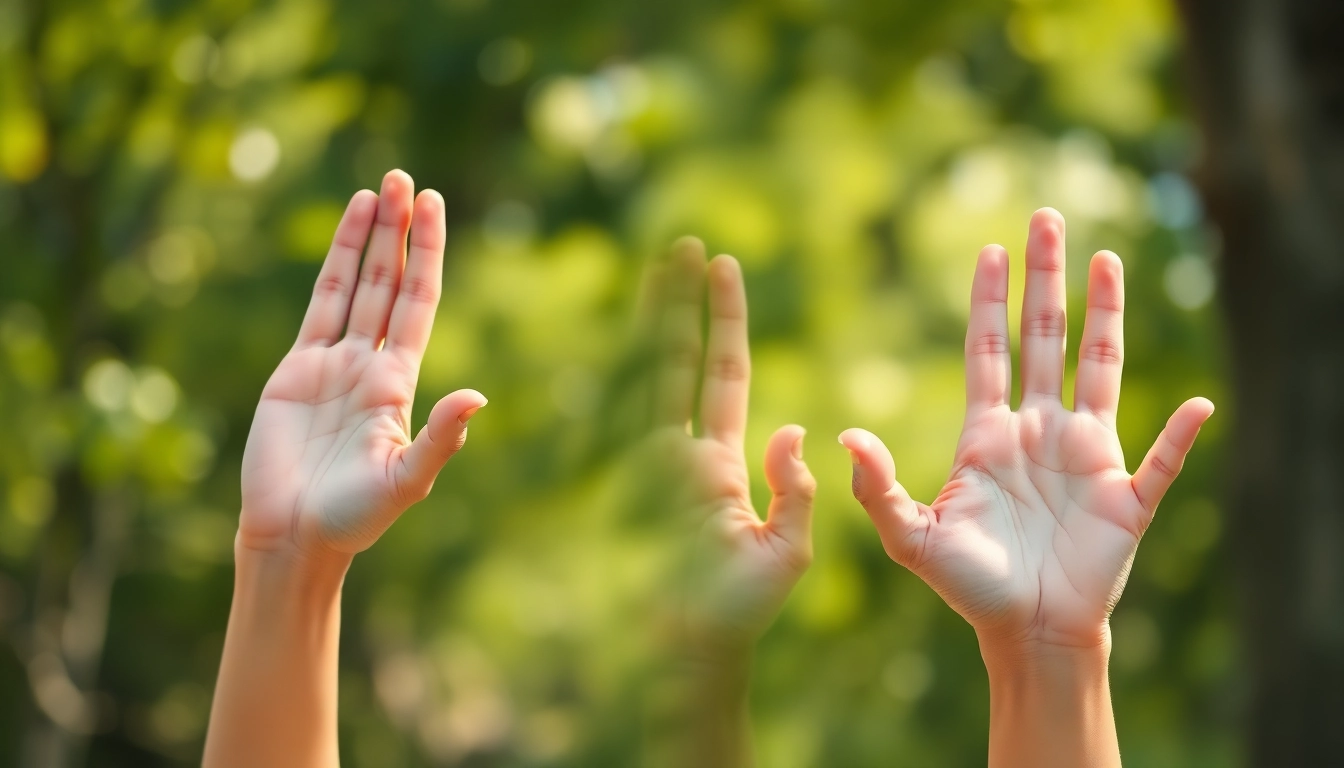
Yoga mudras, derived from the Sanskrit word meaning "seal" or "gesture," are symbolic hand gestures that play a significant role in yoga and meditation practices. Each mudra is designed to influence the flow of energy within the body, connecting the mind, body, and spirit harmoniously. These hand positions not only enhance physical postures but also promote mindfulness and spiritual awakening during meditation. The theoretical foundation of yoga mudras lies in the belief that by tapping into the energy centers of the body (also known as chakras), one can achieve desired mental and emotional states.
The essence of yoga mudras lies in their versatility and accessibility. Unlike complex yoga asanas, mudras can be practiced anywhere and at any time. Whether you're seated in meditation, participating in a yoga class, or simply sitting at your desk, yoga mudras can be easily integrated into your daily routine. This adaptability makes them a powerful tool for managing stress, enhancing concentration, and promoting overall well-being.
The Spiritual Significance of Yoga Mudras
The spiritual significance of yoga mudras is profound. They serve as a bridge between the physical and spiritual realms. Each gesture holds unique meanings and benefits, allowing practitioners to channel specific energies. For instance, the Gyan Mudra, formed by joining the tip of the index finger with the tip of the thumb, symbolizes knowledge and wisdom. This connection facilitates a flow of energy that enhances mental clarity and focus.
Furthermore, practicing such gestures can deepen one's meditation experience by focusing attention and cultivating mindfulness. The act of doing a mudra can influence your mental state, providing a sense of calm, clarity, or even joy, making it an essential aspect of yogic practice.
Scientific Insights into Yoga Mudras
While traditionally rooted in spiritual practices, there is growing interest in understanding the scientific basis of yoga mudras. Research has shown that the act of forming specific hand gestures can stimulate brain activity and activate particular neural networks. This can advance relaxation, reduce stress, and even alleviate symptoms of anxiety and depression.
Several studies have indicated that practicing yoga mudras may boost the immune system, improve respiratory function, and enhance overall physical health. The direct correlation between the body’s energy flow and these hand gestures underscores their significance in yoga and alternative therapies.
Popular Types of Yoga Mudras
Anjali Mudra: The Gesture of Greeting
Anjali Mudra, also known as the "Namaste" gesture, involves bringing the palms together at the heart chakra. This mudra is often seen at the beginning and end of yoga practices. The gesture symbolizes respect, gratitude, and an acknowledgment of the divine presence in oneself and others. Practicing Anjali Mudra can enhance feelings of compassion and promote peace within.
To perform Anjali Mudra, sit comfortably with your spine erect. Bring your palms together at your heart center, and as you inhale, feel the energy flowing from your heart to your hands. This mudra not only calms the mind but also centers your energy, preparing you for meditation or yoga practice.
Gyan Mudra: Enhancing Knowledge
The Gyan Mudra, or the gesture of knowledge, is one of the most popular mudras in yoga. It is performed by touching the tip of the index finger to the tip of the thumb, while the other three fingers remain straight. This position is believed to enhance concentration, memory, and wisdom.
When practicing Gyan Mudra, it is important to maintain a straight posture. Sitting cross-legged in a meditative position, close your eyes and breathe deeply. Focus on the sensation in your fingertips; visualize knowledge and clarity flowing into your mind. This gesture is particularly beneficial for students or anyone seeking mental clarity and insight.
Prana Mudra: Invoking Life Energy
Prana Mudra, also known as the gesture of life energy, involves touching the tips of the ring finger and little finger to the tip of the thumb while keeping the other two fingers straight. This mudra is believed to activate the root chakra and energize the body, effectively boosting vitality. It's especially useful for those feeling fatigued or drained.
To practice Prana Mudra, sit comfortably in a quiet space. With each inhale, visualize vibrant energy radiating through your entire being. This mudra helps rejuvenate the physical body and instills a sense of overall vitality and awakening.
Practicing Yoga Mudras Effectively
Steps to Perform Yoga Mudras
1. Choose a Comfortable Position: Begin by sitting comfortably in a chair or cross-legged on the floor. A straight, erect spine is essential for maximizing breath and energy flow.
2. Select Your Mudra: Decide on which mudra you would like to practice based on your needs or objectives for the session.
3. Focus on Your Breath: Take several deep breaths, allowing your mind to settle. Calm breathing prepares you mentally for the practice.
4. Form the Mudra: Slowly position your hands to form the specific mudra you’ve chosen. Pay attention to the sensations in your fingers and hands.
5. Meditate: Once the mudra is formed, close your eyes and focus on your breath. Allow the feelings associated with the mudra to permeate your mind and spirit. Stay in this state for several minutes, gradually returning to your awareness.
Common Mistakes to Avoid
Practicing yoga mudras can be subtle, and certain mistakes can diminish their effectiveness. Here are some common pitfalls to avoid:
- Lack of Concentration: It's essential to concentrate fully on the mudra and your breath. Distractions can negate the benefits.
- Incorrect Posture: A proper spine position is crucial for energy flow. Avoid slouching or leaning too far back.
- Rushing the Practice: Take your time with each gesture. Allow the feelings and energies to awaken naturally.
- Neglecting Breathing: Breathing should be deep and rhythmic throughout your practice. Shallow breathing can limit effectiveness.
Incorporating Yoga Mudras into Daily Life
Integrating yoga mudras into your daily routine can enhance your overall well-being significantly. Here are some practical ways to include them:
- During Meditation Sessions: Always pair a mudra with meditation to ground your energy and enhance focus.
- At Work: Practicing a simple mudra while working at your desk can reduce stress and increase concentration.
- In Daily Activities: You can practice mudras while commuting, cooking, or even watching television. Moments of stillness can be used for a quick mudra practice.
Health Benefits of Yoga Mudras
Physical Health Improvements
Yoga mudras contribute to various physical health benefits. Certain gestures aid in enhancing circulation, improving digestion, and alleviating specific ailments. For example, the Apan Mudra is known for its ability to help detoxify and improve cardiovascular health by promoting blood circulation.
Additionally, some studies suggest that mudras can have positive effects on respiratory health, aiding in conditions such as asthma and allergies. The Prana Mudra, in particular, is believed to enhance lung function and boost respiratory vitality.
Mental and Emotional Benefits
The mental and emotional benefits of practicing yoga mudras are particularly compelling. By aiding concentration and enhancing mindfulness, mudras can significantly reduce anxiety and stress levels. As an individual connects deeply with their chosen mudra, they often experience heightened emotional awareness, allowing for better management of emotions.
Practicing mudras can also promote a greater sense of inner peace. They provide a sense of structure to meditative practices, allowing individuals to explore their thoughts without becoming overwhelmed.
Enhancing Meditation with Yoga Mudras
Integrating yoga mudras into meditation practice amplifies its effects. The focused energy that each mudra provides helps ground thoughts and stabilize energy. For instance, using the Dhyana Mudra (hands resting on the lap, palms facing up) can deepen meditative practices by fostering tranquility and allowing practitioners to focus internally.
Moreover, when combined with breathing techniques, yoga mudras enhance the overall experience, drawing attention inward and fostering a higher connection to oneself, which is crucial for deep meditation.
Integrating Yoga Mudras into Your Practice
Combining Yoga Mudras with Asanas
Integrating yoga mudras with asanas can create a holistic approach to your yoga practice. For example, while performing a seated twist, using the Anjali Mudra can help center and stabilize your focus, enhancing the physical benefits of the twist.
When combining mudras with movements, ensure that the flow remains unbroken and mindful. This harmony amplifies both the physical and spiritual aspects of your practice, resulting in a more enriching yoga experience.
Using Yoga Mudras in Meditation Sessions
Yoga mudras can also be utilized specifically during meditation sessions. By choosing a mudra that aligns with your meditative intent, you can enhance your experience. For example, during a meditation focused on gratitude, practicing Anjali Mudra can symbolize your intention and invite a deeper connection to your feelings of thankfulness.
Furthermore, maintaining the mudra throughout the session can serve as a gentle reminder to stay focused and present, making it easier to reach deeper states of tranquility.
Creating a Personal Yoga Mudra Routine
Building a personal yoga mudra routine allows for targeted benefits based on individual needs. Start by identifying areas in your life where you seek improvement, whether physically, mentally, or spiritually. From there, select mudras that resonate with your goals.
You can create a structured routine, dedicating specific times of the day for your practice or integrating various mudras throughout your existing yoga sessions. Remember, consistency is key; even short, regular practices can lead to significant benefits over time.