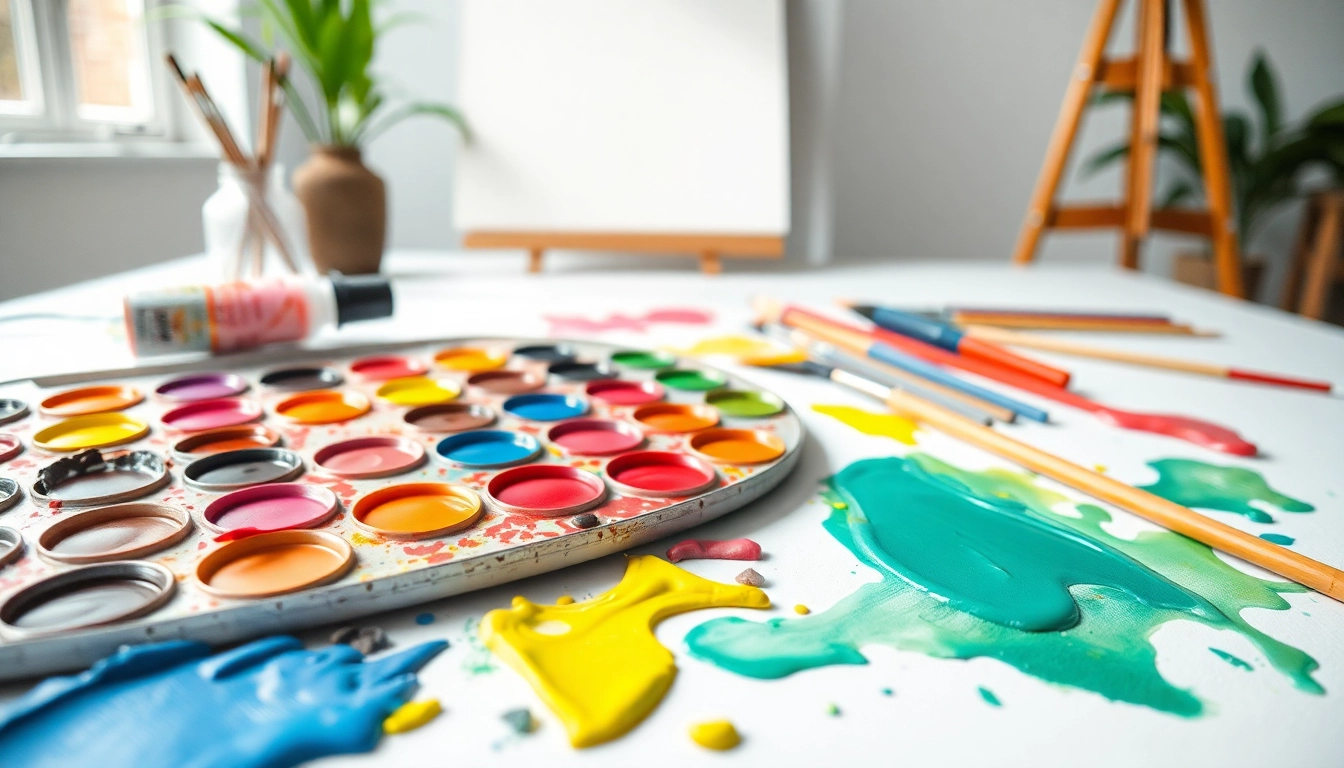
Understanding Acrylic Paint: Properties and Benefits
Composition and Characteristics of Acrylic Paint
Acrylic paint, a versatile medium widely used by artists, is known for its unique blend of properties that set it apart from other types of paint. It is composed mainly of pigment suspended in an acrylic polymer emulsion, giving it a smooth consistency that can be easily manipulated. This paint has several key characteristics that make it favored among professionals and amateurs alike.
One of the most significant attributes of acrylic paint is its fast drying time. This allows artists to work quickly, making it an excellent choice for those who prefer a dynamic painting process. Additionally, once dry, acrylic paint is water-resistant and durable, which means that finished artworks can withstand the test of time with proper care.
The versatility of acrylic paint allows it to be diluted with water for a watercolor-like effect or used straight from the tube for a more opaque finish. This adaptability means that artists can experiment with various techniques without the limitations often associated with oil or watercolor paints.
Benefits of Using Acrylic Paint for Artists
Artists choose acrylic paint for many reasons, primarily its ease of use and the array of applications it allows. Below are some of the major benefits:
- Quick Drying: Acrylics dry faster than oil paints, enabling artists to layer colors efficiently.
- Flexibility: Acrylics can simulate other mediums such as watercolor, oil, and even gouache.
- Non-Toxic: Most acrylic paints are non-toxic and safe to use, making them ideal for artists at all skill levels.
- Infrastructure: Acrylics can adhere to a variety of surfaces, including canvas, wood, and metal, offering endless creative possibilities.
- Color Retention: Once dry, colors remain vibrant and true, maintaining their aesthetic appeal for years.
Comparing Acrylic with Other Paint Types
When selecting a paint medium, it's crucial for artists to understand the differences between acrylics and other types of paints. Below, we compare acrylic paint with oil and watercolor paints:
PropertyAcrylic PaintOil PaintWatercolor PaintDrying TimeFastSlowFastSoluble in WaterYes (when wet)NoYesDurabilityHighHighLow
Common Techniques for Acrylic Painting
Blending and Layering Techniques Explained
Mastering blending and layering techniques is essential for creating depth and dimension in acrylic paintings. Here are some common methods:
- Glazing: Apply a thin, transparent layer of paint over a dried layer to enhance colors and create shadows.
- Wet-on-Wet: Apply wet paint onto wet paint to produce soft edges and a blended look.
- Dry Brush: Use a dry brush to apply paint on a textured surface to highlight details.
Using Mediums to Enhance Acrylic Paint
Mediums can significantly alter the properties of acrylic paint, enhancing the creative possibilities for artists. Common mediums include:
- Flow Improvers: These mediums reduce viscosity, allowing for smooth, flowing applications.
- Texture Gel: Helps create three-dimensional textures within the painting.
- Retarders: Slow down the drying time, enabling longer working periods for detailed work.
Exploration of Texture Techniques in Acrylics
Texture techniques add interest and dimension to acrylic paintings. Some methods to achieve texture include:
- Impasto: Apply thick layers of paint to create a raised effect.
- Stamping: Use sponges or everyday objects to create unique patterns and textures.
- Scraping: Scrape off the top layer of paint to uncover layers beneath for interesting visual effects.
Choosing the Right Tools for Acrylic Painting
Brushes, Palettes, and Surfaces: What You Need
Using the right tools is crucial for achieving optimal results in acrylic painting. Here are some essential tools to consider:
- Brushes: Choose synthetic brushes for acrylics, as they hold up well against the medium.
- Palettes: Use a flat, non-porous surface to mix paints easily.
- Surfaces: Canvas, wood panels, and acrylic paper are ideal substrates for acrylic applications.
Essential Accessories for Acrylic Artists
Besides basic tools, having certain accessories can enhance the acrylic painting experience:
- Water Container: Essential for rinsing brushes between colors.
- Rags or Paper Towels: Useful for cleaning brushes and hands.
- Pallet Knife: Useful for mixing paint and creating texture.
Maintenance of Your Acrylic Painting Tools
Maintaining your painting tools is crucial for their longevity. Here’s how to care for your brushes and palettes:
- Clean brushes immediately after use with warm soapy water.
- Store brushes upright or flat to maintain their shape.
- For palettes, clean off excess paint after each session and wash thoroughly to prevent paint buildup.
Creativity with Acrylics: Project Ideas and Inspiration
Unique Projects for Beginners Using Acrylics
If you're starting with acrylic painting, try these beginner-friendly projects:
- Colorful Abstracts: Create non-representational art using simple shapes and vibrant colors.
- Landscape Silhouettes: Paint dark silhouettes against a bright sunset background for a dramatic effect.
- Mixed Media Collages: Combine acrylic paint with other materials such as paper or fabric for textural richness.
Advanced Acrylic Techniques for Experienced Artists
For seasoned artists, engaging in complex projects can elevate your skills:
- Realistic Portraits: Practice layering and blending for smooth skin tones and lifelike details.
- Surrealism: Combine various techniques to create imaginative, dream-like compositions.
- Interactive Art: Incorporate materials like LEDs or found objects for added dimension and interactivity.
Inspiration from Contemporary Acrylic Artists
Exploring the work of contemporary acrylic artists can be a source of inspiration. Look for artists who focus on:
- Abstract Expressionism: Artists who use color and form to convey emotions and ideas.
- Street Art: Urban artists who utilize acrylics for vibrant public works.
- Environmental Themes: Artists who highlight ecological issues through their paintings.
Challenges and Solutions in Acrylic Painting
Common Issues: Tacky or Dried Acrylics
Encountering problems while painting is a common experience. Here are solutions to some frequent issues:
- Tacky Paint: If your paint feels sticky, ensure it’s dry before applying additional layers. Incorporating a retardant can help in humid conditions.
- Drying Too Fast: Use a palette with a lid or a wet palette to keep paints workable longer.
How to Fix Mistakes in Acrylic Paintings
Mistakes can be easily fixed in acrylics compared to other mediums:
- Layering Over Errors: Paint over mistakes with a new layer of paint. Acrylics are excellent for covering past errors.
- Using Water: For minor adjustments, use a wet brush to smooth out discrepancies in your painting.
Storage Tips for Long-lasting Acrylic Paint
To ensure your acrylic paints remain usable, store them properly. Here are some tips:
- Keep paint tubes upright to avoid clogging at the nozzle.
- Store paints in a cool, dark place to prevent them from drying out.
- Seal opened containers tightly to minimize air exposure.
For more in-depth insights into acrylic painting techniques and resources, you can visit https://acrylicpedia.com. Whether you're a beginner or an experienced artist, embracing the versatility of acrylic paints can significantly enhance your creative journey.