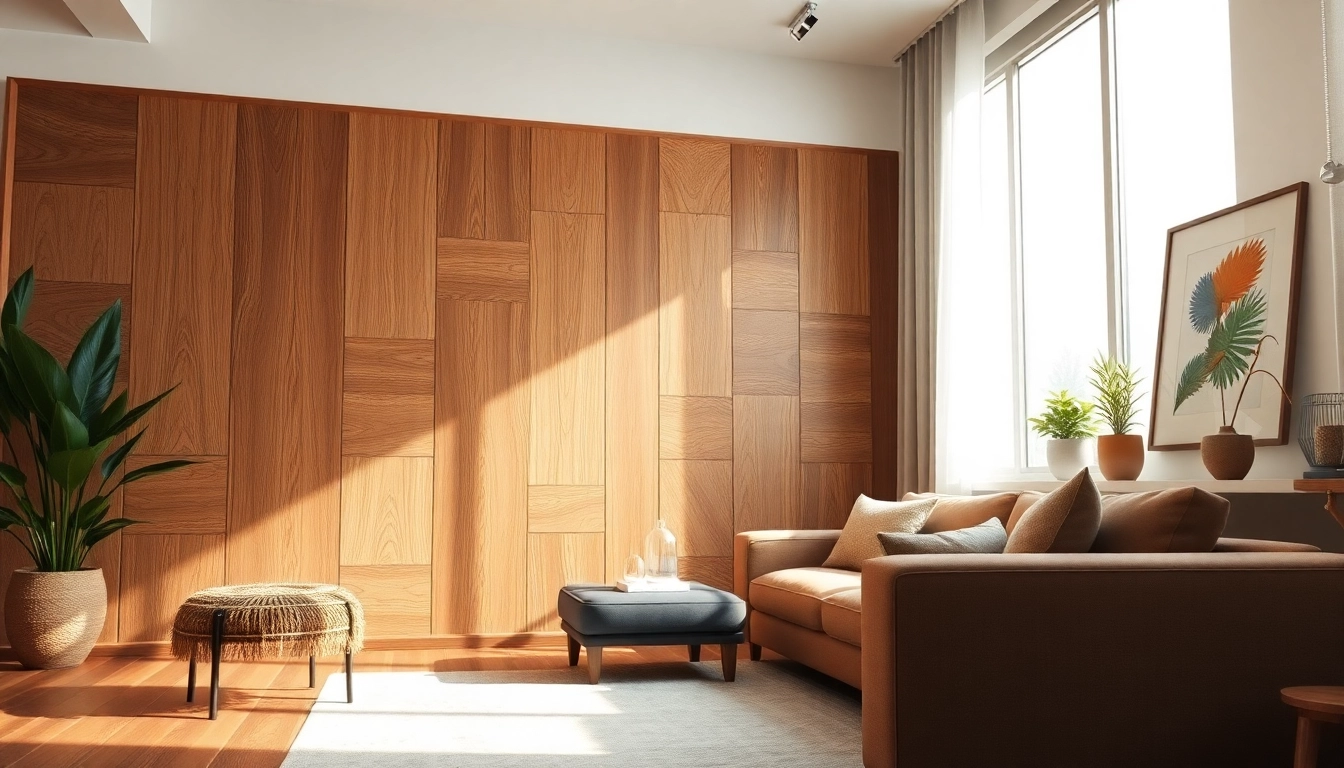
Introduction to Wall Paneling
Wall paneling has been a fundamental aspect of interior design, shaping the aesthetics and functionality of spaces from homes to commercial establishments. It comes in various materials, styles, and finishes, making it adaptable to any design preference. Whether you’re aiming for a rustic charm, contemporary elegance, or industrial chic, incorporating wall paneling can transform plain walls into stunning focal points that enhance both the beauty and character of your interior.
Defining Wall Paneling
Wall paneling refers to a decorative layer installed over the walls of a room. This type of covering not only adds a unique visual element but also provides insulation and soundproofing. Available in countless styles and materials, wall paneling can range from traditional wood to modern composites, each offering different looks and functional benefits.
History and Evolution of Wall Paneling
The origins of wall paneling can be traced back to ancient times when wood was used not just for structural purposes but also to beautify interiors. Paneling became particularly popular during the Renaissance, where intricate carvings and ornate designs showcased the skills of craftsmen. Over the centuries, as design preferences evolved, so did wall paneling. The introduction of synthetics in the mid-20th century made wall paneling more accessible, leading to an explosion of patterns, colors, and materials in the latter half of the century.
Benefits of Incorporating Wall Paneling
Incorporating wall paneling into your interiors brings numerous benefits. Primarily, it enhances the aesthetic appeal of spaces by adding texture, depth, and warmth. Practical advantages include improved insulation and sound absorption, contributing to energy efficiency and comfort. Wall paneling is also relatively easy to install compared to other finishes, and with the right materials, it can resist moisture and staining, offering durability and ease of maintenance.
Types of Wall Paneling
Natural Wood Wall Paneling
Natural wood wall paneling remains one of the most sought-after options due to its timeless appeal and versatility. Species such as oak, pine, and cedar are commonly used, each imparting unique colors and textures. Additionally, wood carries a distinct warmth that enhances any decor style, from classic to contemporary. This type of paneling can be stained or left natural to showcase its grain, and it can be cut into various styles, including shiplap, beadboard, and tongue-and-groove.
MDF and Composite Wall Paneling
MDF (Medium-Density Fiberboard) and composite wall panels are widely appreciated for their affordability and versatility. These materials are constructed from recycled wood fibers and adhesives, resulting in a smooth, even surface ideal for painting. Not only do they come in a variety of finishes, but they can also be fashioned to mimic the look of natural wood without the associated costs and maintenance. Additionally, they resist warping and splitting, making them a reliable choice for various settings.
Vinyl and PVC Wall Paneling
Vinyl and PVC paneling offers a modern, durable alternative to traditional materials. These synthetic options are particularly popular in high-moisture areas such as bathrooms and kitchens because of their inherent water-resistance. They come in a plethora of colors and textures, including realistic wood and stone finishes, allowing homeowners to achieve the desired aesthetic without compromising on functionality. Furthermore, vinyl and PVC panels are lightweight and easy to install, catering to DIY enthusiasts.
How to Choose the Right Wall Paneling
Assessing Style and Decor
When selecting wall paneling, the overall style of your home should be your guiding principle. For a rustic or traditional look, natural wood paneling may be the ideal fit, while modern homes might benefit from sleek MDF or vinyl options. Accessories and furniture within the space also influence the choice; therefore, test samples against existing decor to ensure cohesion.
Considering Durability and Maintenance
Not all wall paneling options are equal when it comes to durability and maintenance. Natural wood can be susceptible to scratches and dents, requiring regular upkeep, whereas MDF and PVC options often require only simple cleaning and less frequent maintenance. Moreover, consider moisture levels in the installation area. High-humidity spaces necessitate the use of moisture-resistant materials to prevent damage and prolong lifespan.
Budgeting for Wall Paneling Projects
Your budget will significantly influence your wall paneling choices. Prices can vary widely depending on the material selected. Natural wood tends to be more expensive, while options like MDF may suit tighter budgets. Factor in additional expenses such as installation, finishing, and any necessary treatments when budgeting for your project to avoid surprises.
Installation Tips for Wall Paneling
Preparing Your Space for Installation
Before installing wall paneling, prepare the wall surface by clearing the area of any furniture and fixtures. Ensure the wall is clean, dry, and level, addressing any imperfections beforehand. Patch holes and sand the wall to avoid misalignments during installation. Additionally, gather required materials and tools, ensuring you have all components ready for a smooth installation process.
Tools and Materials You'll Need
The installation of wall paneling necessitates some fundamental tools and materials, including a power saw, measuring tape, level, nails or adhesive, and safety gear such as gloves and goggles. The specific requirements will differ based on the panel type and installation method. It's beneficial to review the manufacturer’s guidelines to confirm you have everything needed for the job.
Step-by-Step Installation Guide
Follow these steps for most wall paneling installations:
- Measure the wall and cut panels to size, ensuring a tight fit.
- Begin installation at one corner or the bottom of the wall, depending on the design.
- Secure panels using nails or adhesive, checking for level and alignment.
- Continue installing additional panels, cutting as necessary for fittings.
- Finish edges with trim to hide seams and create a polished look.
Creative Wall Paneling Ideas
Mixing Materials and Textures
For a visually intriguing space, consider mixing different materials and textures. Combining wood paneling with metal accents or vinyl features can introduce unique contrasts that enhance depth and style in a room. Think of pairing smooth MDF panels with rustic reclaimed wood for a blend of contemporary and traditional elements, creating an individualized touch in your home.
Accent Walls with Wall Paneling
Accent walls are a fantastic way to introduce wall paneling into your design without overwhelming a space. Picking one wall as a focal point enables you to experiment with bold colors, intricate patterns, or unique materials. Wall paneling can be implemented behind a bed, a fireplace, or a media center, drawing attention to these featured areas and elevating the overall design quality.
DIY Wall Paneling Projects for Homeowners
Wall paneling offers many DIY opportunities for homeowners looking to personalize their spaces. Simple projects like creating a shiplap wall or beadboard wainscoting can significantly uplift a room's ambiance and can often be achieved with limited tools and skills. Online resources and tutorials provide valuable insights to guide you through the creation of these unique design elements.
Frequently Asked Questions
What is the most popular type of wall paneling?
Natural wood wall paneling is often favored for its classic appeal and durability, enhancing the aesthetic of any space.
Can wall paneling be painted?
Yes, many types of wall paneling, especially those made of MDF or plywood, can be painted to match your decor.
How do I maintain wall paneling?
Regular dusting and occasional wiping with a damp cloth can keep wall paneling looking fresh without damaging it.
Is wall paneling suitable for bathrooms?
Yes, as long as moisture-resistant materials like PVC or vinyl are used, wall paneling can thrive in bathrooms.
What is the average cost of wall paneling materials?
The cost varies widely based on the material; affordable options like MDF start around $20 per panel, while premium woods can be much higher.