
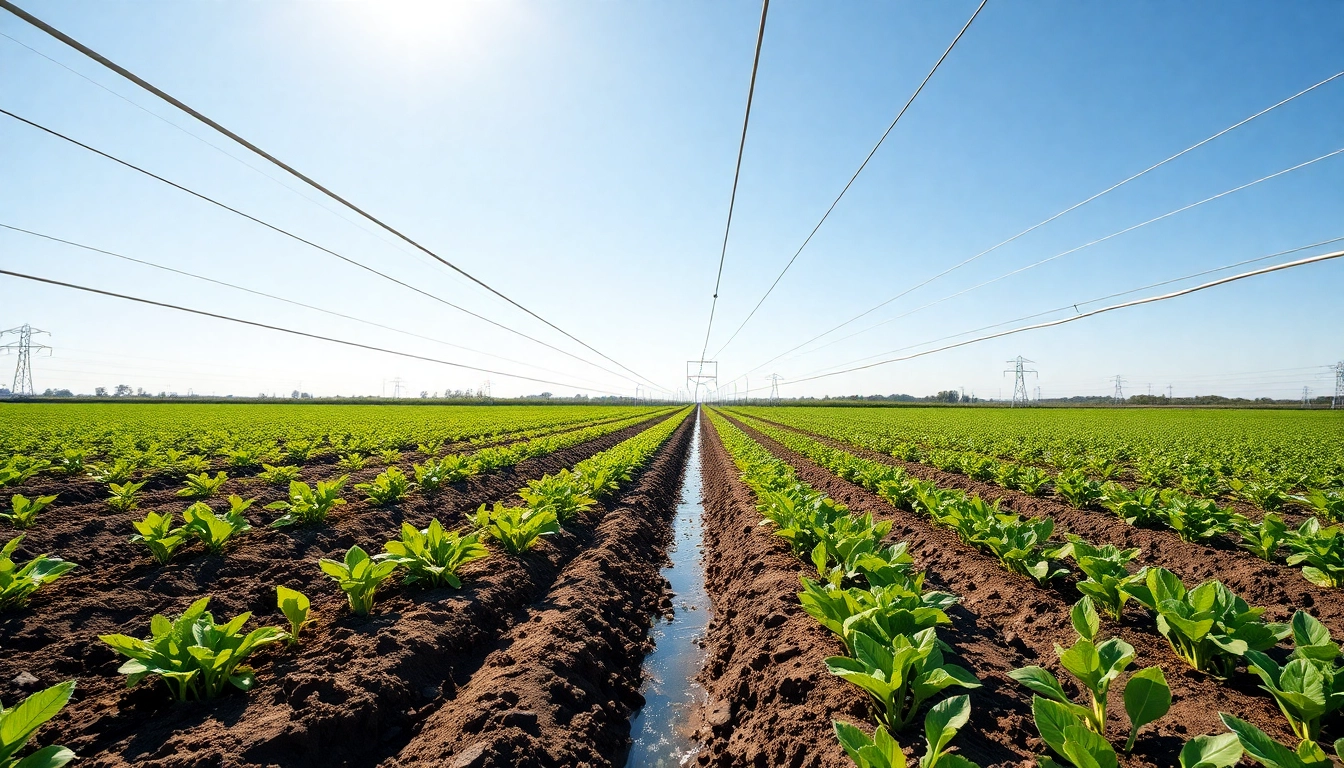
Understanding Land Irrigation and Its Importance
Land irrigation plays a crucial role in agriculture today. With increasing global population and varying climate conditions, the demand for efficient water use in farming has never been greater. Effective land irrigation not only boosts crop yields but also ensures sustainable agricultural practices. By implementing better land irrigation systems, farmers can enhance productivity while conserving precious water resources.
The Basics of Land Irrigation
Land irrigation refers to the controlled application of water to agricultural fields. This practice is essential for growing crops in regions where natural rainfall is insufficient or irregular. It includes various methods that take into account soil type, water availability, and crop requirements. Whether utilizing gravity flow, pressure systems, or modern technology, the fundamental objective remains the same: to deliver adequate moisture to plants at the right time.
Key Benefits of Effective Land Irrigation
Implementing effective irrigation systems offers numerous benefits:
- Increased Crop Yield: Consistent water supply enhances growth and productivity.
- Drought Resilience: Crops can withstand periods of low rainfall.
- Soil Preservation: Proper irrigation minimizes soil erosion and degradation.
- Resource Efficiency: Optimized water usage leads to lower overall costs.
- Enhanced Food Security: Reliable irrigation systems contribute to a stable food supply.
Common Challenges in Implementing Land Irrigation
Despite its benefits, implementing land irrigation systems can pose challenges:
- High Initial Costs: Installation and setup can be expensive.
- Water Availability: Access to sufficient water sources is critical.
- Maintenance Needs: Irrigation systems require regular upkeep.
- Soil Salinity: Over-irrigation can lead to increased salinity, harming crops.
- Regulatory Compliance: Farmers must follow water use regulations.
Types of Land Irrigation Systems
Surface Irrigation: Techniques and Tips
Surface irrigation involves the application of water to the soil surface and allowing it to flow across the field by gravity. Common techniques include:
- Furrow Irrigation: Water is directed to small channels or furrows.
- Flood Irrigation: Fields are flooded with water for a set period.
- Basin Irrigation: Water is allowed to pond in basins around plants.
Key tips for successful surface irrigation include proper land leveling and scheduling irrigations to avoid water runoff.
Drip Irrigation: Advantages and Applications
Drip irrigation delivers water directly to the plant's root zone through a network of pipes and emitters. This method is highly efficient and has several advantages:
- Water Conservation: Reduces wastage by minimizing evaporation and runoff.
- Reduced Weed Growth: Water is applied only where needed.
- Improved Crop Health: Regular and consistent moisture helps plants thrive.
Drip irrigation is particularly effective for high-value crops and in arid regions.
Sprinkler Systems: Best Practices for Use
Sprinkler irrigation systems simulate rainfall by spraying water across the field. They are versatile and can be adapted to various landscapes. Best practices include:
- Proper Placement: Position sprinklers to avoid overlapping watersheds.
- Seasonal Adjustment: Modify watering times and amounts based on weather conditions.
- Regular Maintenance: Check for clogs and damage to ensure efficient operation.
Sprinkler systems are ideal for both small and large scales, providing flexibility in water application.
Choosing the Right Land Irrigation Technique
Assessing Soil and Crop Requirements
Choosing the appropriate irrigation technique depends significantly on soil type and crop needs. Soil factors include permeability, drainage, and fertility levels. Conducting soil tests can provide insights into:
- Soil Texture: Influences water retention and infiltration rates.
- Organic Matter: Affects moisture-holding capacity and nutrient availability.
Understanding crop requirements, such as growth stage and seasonal water needs, ensures irrigation is optimized for plant health.
Evaluating Water Resources and Availability
Before implementing an irrigation system, evaluate the water resources available, whether they are surface or groundwater. Key considerations include:
- Source Sustainability: Ensure that water source can meet irrigation needs without depletion.
- Quality Assessment: Test water quality for contaminants and salinity levels.
- Regulation Compliance: Understand local water usage laws and restrictions.
This assessment allows for a sustainable approach to water management in agriculture.
Cost Considerations and Budgeting
Implementing a land irrigation system involves upfront costs and ongoing maintenance expenses. Consider the following aspects:
- Initial Investment: Budget for equipment, installation, and infrastructure development.
- Operating Costs: Factor in costs for energy, labor, and maintenance.
- Government Incentives: Research potential subsidies or grants for water conservation practices.
A thorough cost analysis will help farmers make informed decisions regarding their irrigation choices.
Innovative Technologies in Land Irrigation
Automation and Smart Irrigation Solutions
With advances in technology, automated irrigation systems are becoming increasingly popular. These solutions can:
- Increase Efficiency: Adjust water delivery based on real-time plant needs.
- Save Time: Reduce the labor required for manual irrigation.
- Minimize Waste: Ensure precise application of water.
Farmers can deploy apps and sensors connected to weather stations that optimize irrigation schedules.
Using Sensors for Precision Irrigation
Sensors monitor soil moisture, temperature, and weather conditions, providing data that enhances irrigation practices. Benefits include:
- Data-Driven Decisions: Enables farmers to make informed choices based on actual conditions.
- Remote Monitoring: Facilitates oversight from anywhere, improving management efficiency.
Such precision technologies help conserve water and improve crop health by providing exactly what the plants need when they need it.
Sustainable Practices for Modern Land Irrigation
Incorporating sustainable practices ensures that land irrigation not only benefits current agricultural needs but also considers future implications. Key approaches include:
- Rainwater Harvesting: Capturing and storing rainwater reduces reliance on groundwater.
- Crop Rotation: Enhances soil quality and reduces pest pressure, requiring less water.
- Mulching: Limits moisture evaporation from the soil surface.
Sustainable practices diversify water use strategies, ensuring resilience against climate challenges.
Measuring the Success of Land Irrigation Strategies
Key Performance Indicators for Irrigation
Evaluation of irrigation effectiveness relies on specific Key Performance Indicators (KPIs). Important KPIs include:
- Water Efficiency: Measured as crop yield per unit of water used.
- Soil Moisture Content: Relative moisture levels indicate system effectiveness.
- Plant Health Assessments: Regular checks for growth and disease symptoms.
Monitoring these indicators helps optimize irrigation strategies over time.
Conducting Water Usage Audits
Regular audits of water usage help identify inefficiencies within an irrigation system. Consider establishing procedures for:
- Tracking Water Application: Measure actual water use against crop needs.
- Assessing Distribution Uniformity: Ensure consistent water application across fields.
- Identifying Losses: Detect leaks or over-irrigation areas needing attention.
Systematic audits contribute significantly to achieving water-saving goals.
Improving Yield Through Effective Land Irrigation
Ultimately, the goal of effective land irrigation is to enhance yields. Key strategies include:
- Adapting to Weather Changes: Adjust irrigation based on precipitation forecasts.
- Leveraging Technologies: Utilize data from sensors and automated systems for timely water applications.
- Training and Education: Equip farmers with knowledge on best practices to improve efficiency.
By adopting these methods, farmers can significantly increase their crop productivity while conserving water resources.
Frequently Asked Questions
What is land irrigation?
Land irrigation is the controlled application of water to agricultural fields to enhance crop growth, ensuring sufficient moisture is available for plants.
What are the main types of land irrigation systems?
The primary types of land irrigation systems include surface irrigation, drip irrigation, and sprinkler systems, each with its techniques and benefits.
How do I choose the right irrigation method?
Choose an irrigation method by assessing soil type, understanding crop needs, evaluating water resources, and considering cost implications for your budget.
What are the benefits of drip irrigation?
Drip irrigation conserves water, reduces runoff, targets plant roots directly, and minimizes weed growth, all leading to healthier crops and higher yields.
How can I ensure sustainable land irrigation?
Implement sustainable practices such as rainwater harvesting, crop rotation, and using water-efficient technologies to sustainably manage water resources in agriculture.