Understanding Wall Paneling: A Comprehensive Guide
What is Wall Paneling?
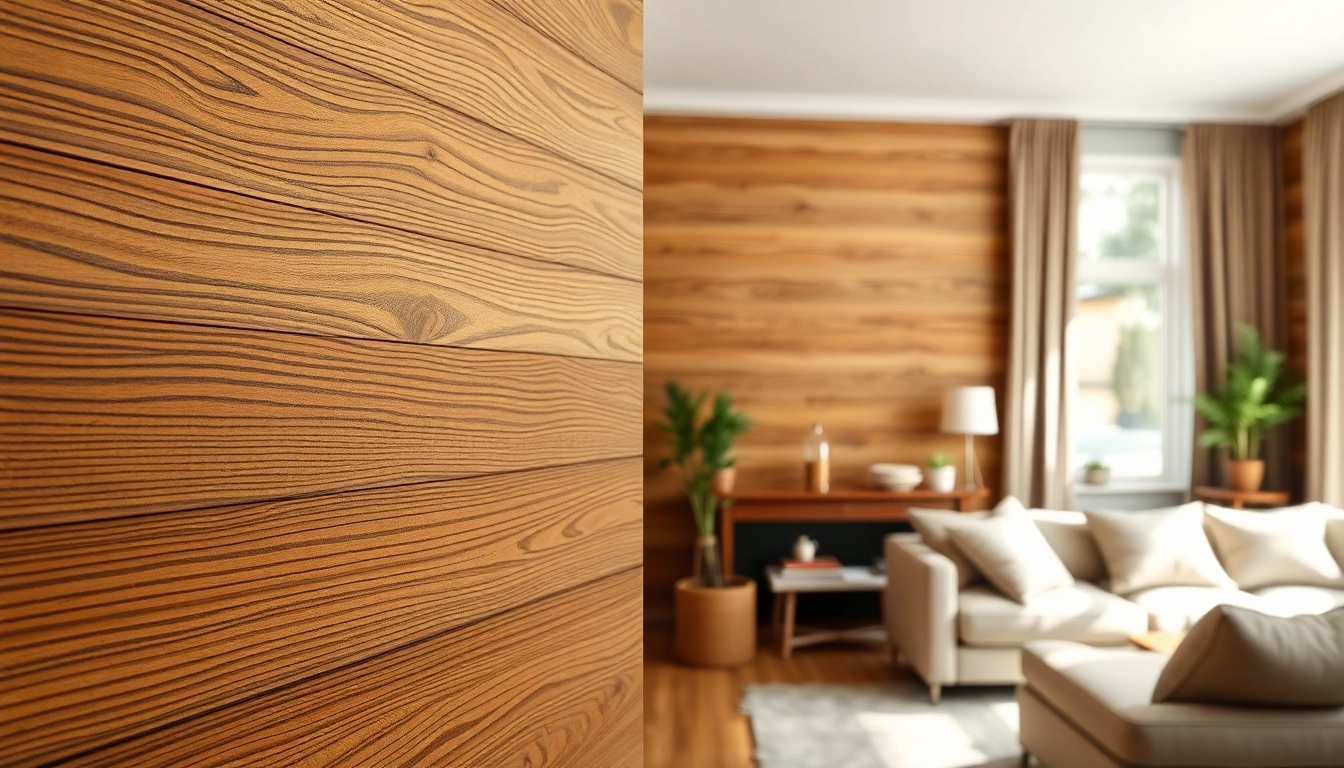
Wall paneling is a versatile interior design feature that enhances the aesthetic appeal and functionality of various spaces within a home or commercial setting. Essentially, it involves the application of panels, whether made from wood, PVC, or other materials, to interior walls. Wall paneling can transform a plain surface into a visually interesting focal point, provide insulation, and improve acoustics, making it a popular choice in both new construction and renovation projects. The trend around wall paneling has surged due to its ability to blend modern design with traditional warmth and character.
Types of Wall Paneling
Choosing the right type of wall paneling can greatly influence the overall ambiance of a room. Below are some common styles and materials:
- Wood Paneling: Timeless and classic, wood paneling can be stained or painted to match various decor styles. Options include reclaimed wood, plywood, and engineered wood.
- Veneer Panels: These are thin slices of wood glued onto a core panel, offering a luxurious appearance while being lightweight and less expensive than solid wood.
- PVC Paneling: Often used in areas prone to moisture, such as bathrooms and kitchens, PVC panels are resistant to water and mildew.
- Shiplap: Characterized by overlapping boards, shiplap provides a rustic feel, typically in farmhouse or coastal designs.
- Panels with Textures: Textured panels such as 3D or embossed options add depth and interest to a room, creating unique visual statements.
Benefits of Installing Wall Paneling
Installing wall paneling in your home comes with multiple benefits:
- Improved Aesthetics: Paneling can dramatically enhance the visual appeal of your space, allowing for personalized designs that reflect your style.
- Increased Insulation: Wall paneling can improve insulation, contributing to better energy efficiency by regulating the temperature within a room.
- Sound Absorption: Certain materials naturally absorb sound, making panels an excellent choice for creating quieter environments.
- Easier Maintenance: Many wall paneling materials are easier to clean and maintain than painted drywall, while others can be repainted easily out of fashion boredom.
- Concealing Imperfections: Panels can effectively hide wall imperfections, providing a uniform and polished look.
Choosing the Right Wall Paneling for Your Home
Factors to Consider
When selecting wall paneling, it is essential to consider several factors to ensure a perfect fit for your home:
- Room Function: Assess how the room will be used. For wet areas like bathrooms, moisture-resistant options are critical.
- Aesthetic Preferences: Determine if you prefer a modern look with sleek finishes or a rustic feel with reclaimed wood.
- Budget: Wall paneling can vary significantly in cost, so establish a budget that allows for both material and installation expenses.
- Durability: Consider the durability of the material to ensure it can withstand wear and tear, especially in high-traffic areas.
- Compatibility: Ensure that your selected wall paneling complements the overall design scheme of your home.
Popular Materials and Styles
Some of the most popular materials and styles of wall paneling to consider include:
- Natural Wood: Offers a warm, classic look; hardwoods like oak, walnut, and cherry are among the favorites.
- Painted MDF Panels: Usually available in various colors, these panels allow for easy customization and a clean finish.
- Plywood Paneling: Durable and available in various wood types, plywood can create stunning feature walls.
- Textured Panels: Adding depth through raised patterns, these panels are perfect for creating a stunning focal point.
- Fabric Panels: Often used in sound-sensitive environments like studios, fabric-covered panels add softness to the room while helping reduce echoes.
Matching Wall Paneling with Interior Design
When choosing wall paneling, consider how it fits into the overall interior design theme of your space:
- Traditional Style: Wood paneling aligns with classic aesthetics found in Victorian or colonial homes.
- Modern Style: Clean lines with painted MDF or minimalist panels create a straightforward, uncluttered look.
- Industrial Style: Exposed brick or rough-hewn wood panels pair well with metal fixtures and neutral tones.
- Bohemian Style: Mixing different panel classes and textures can enhance the eclectic charm typical of bohemian decor.
- Scandinavian Style: Light woods and simple designs resonate with the simplicity and functionality of Scandinavian interiors.
Installation of Wall Paneling: A Step-by-Step Process
Preparation for Installation
Installing wall paneling requires careful preparation to ensure a successful outcome. Follow these steps for optimal results:
- Assess the Wall Condition: Check for dampness, mold, or damage that may require addressing prior to installation.
- Select Your Panels: Choose the type and style of paneling most suited to your design goals and room function.
- Measure the Space: Precisely measure the area where you plan to install the panels, accounting for doors, windows, and outlets.
- Purchase Materials: Along with your wall panels, ensure you have an appropriate adhesive, nails, or screws, as necessary.
Tools Needed for Installation
Gathering the right tools is essential to ensure a smooth installation process. Common tools include:
- Measuring tape
- Level
- Circular saw or panel cutter
- Stud finder
- Hammer or nail gun
- Adhesive (if applicable)
- Safety goggles and gloves
Finishing Touches for a Professional Look
Once your wall panels are installed, adding finishing touches will enhance their appearance:
- Caulking: Apply caulk along seams and edges to create a seamless look and prevent moisture infiltration.
- Paint or Stain: If desired, paint or stain the panels to achieve your preferred color and finish.
- Trim Installation: Add trim around windows, doors, and baseboards to create a polished finish.
Maintenance Tips for Your Wall Paneling
Cleaning and Care Instructions
Proper maintenance is key to preserving the beauty of your wall paneling:
- Regularly dust panels with a soft cloth or a microfiber duster to prevent dirt accumulation.
- Use a damp cloth with mild soap for deep cleaning, ensuring that no excess moisture enters seams and edges.
- For painted panels, touch up any scratches or chips promptly to maintain a uniform appearance.
Preventing Common Damage
To extend the lifespan of your wall paneling, consider these preventive measures:
- Avoid placing heavy items on paneling that may cause it to warp or suffer damage over time.
- Implement measures to control humidity, especially in rooms prone to moisture, to prevent warping and mold growth.
- Use placemats or coasters under furniture to prevent scratches and dents on the surface of paneling.
Restoration Techniques for Aging Panels
As wall paneling ages, it may require restorative efforts:
- Repainting: A fresh coat of paint can rejuvenate tired-looking panels.
- Refinishing Wood: Sanding down and re-staining wooden panels can restore their original luster.
- Replacing Damaged Panels: Identify and replace damaged panels to ensure the integrity of the overall design.
Frequently Asked Questions About Wall Paneling
What are the benefits of wall paneling?
Wall paneling improves insulation, enhances aesthetics, and adds character to spaces, making them feel warmer and more inviting.
How do I choose the right material for wall paneling?
Consider factors like durability, maintenance, aesthetic appeal, and compatibility with your existing decor when choosing materials.
Can I install wall paneling myself?
Yes, with proper preparation, tools, and a step-by-step approach, DIY wall paneling installation is achievable for most homeowners.
What maintenance does wall paneling require?
Regular cleaning, moisture control, and occasional refinishing are key to preserving the beauty and integrity of wall paneling.
Is wall paneling suitable for all rooms?
Wall paneling can enhance any room, but consider moisture factors in areas like bathrooms and kitchens that may require special materials.