
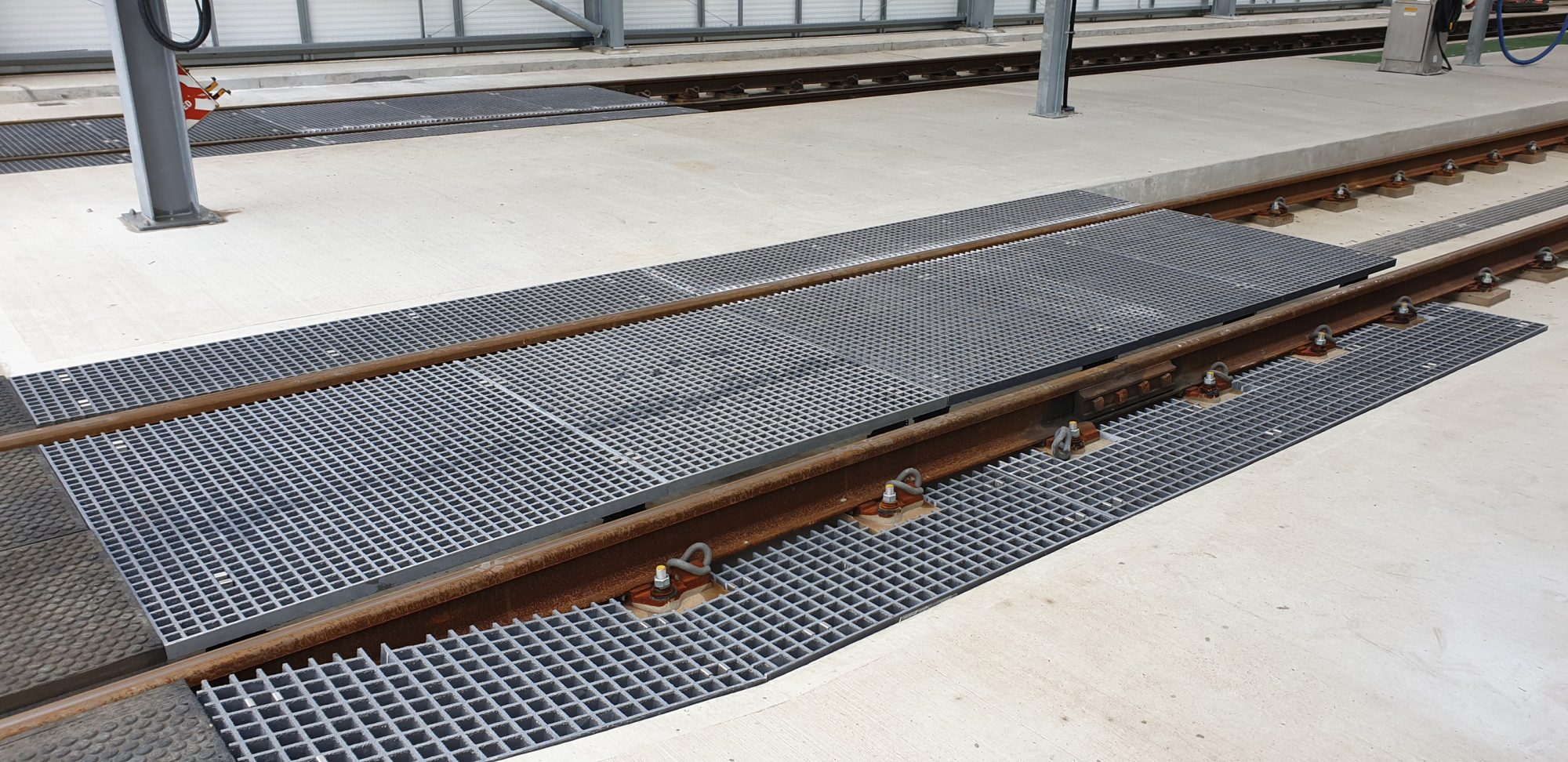
In modern industrial environments, durability and safety are non-negotiable. Traditional materials like steel and timber often fall short when exposed to harsh chemicals, moisture, or extreme weather conditions. This is where GRP Grating has revolutionized industrial flooring, walkways, and platforms, providing an exceptional corrosion-resistant solution that stands the test of time. By combining advanced materials science with practical design, GRP Grating has become an essential choice across construction, marine, water treatment, and chemical industries.
GRP Grating, a composite material made of glass fibers and thermosetting resins, delivers outstanding performance where conventional materials would deteriorate. Its unique composition ensures that it does not corrode, rust, or weaken in environments that challenge steel and wood. Industries seeking reliable, long-lasting solutions are increasingly turning to GRP Grating to minimize maintenance, reduce costs, and enhance safety.
What Is GRP Grating?
GRP Grating (Glass Reinforced Plastic Grating) is engineered from strong glass fibers embedded in a resin matrix. This combination produces a lightweight, durable, and corrosion-resistant material suitable for a wide variety of applications. Unlike metal gratings, GRP does not oxidize, making it ideal for harsh chemical environments, coastal areas, and wet conditions.
There are two primary types of GRP Grating:
- Moulded GRP Gratings: Known for high impact resistance and ideal for environments with frequent moisture or chemical exposure.
- Pultruded GRP Gratings: Designed for higher strength and stiffness, suitable for heavy loads and longer spans.
Both types are fire-retardant, non-conductive, and require minimal maintenance, ensuring long-term performance in demanding industrial applications.
Why Corrosion Resistance Matters in Industrial Settings
Corrosion is one of the leading causes of structural degradation in industrial environments. When steel is exposed to moisture, salt, or chemicals, rust forms, compromising its strength and safety. Frequent maintenance, coatings, and replacements increase operational costs and downtime.
By using GRP Grating, industries gain:
- A long-lasting solution that withstands chemical and marine exposure
- Reduced maintenance needs
- Lower total cost of ownership over the product’s lifespan
The corrosion resistance of GRP is not just about avoiding rust; it also ensures consistent safety and performance in high-risk areas.
Key Features of GRP Grating
Corrosion Resistance
One of the most significant advantages of GRP Grating is its ability to resist corrosion. It remains unaffected by saltwater, acids, alkalis, oils, and industrial chemicals. For sectors such as marine, chemical processing, and water treatment, this property ensures the longevity of platforms and walkways without frequent repairs.
Lightweight Yet Strong
Despite being significantly lighter than steel, GRP Grating provides comparable strength, making installation safer and more efficient. Its lightweight design reduces the need for heavy machinery, simplifies transportation, and enables safer manual handling by workers in elevated or hard-to-reach areas.
Slip Resistance
Many GRP Gratings incorporate a quartz grit or similar textured surface, providing superior anti-slip performance. This feature is particularly important in wet or oily industrial environments, ensuring compliance with occupational safety regulations and reducing accident rates.
Fire Retardancy and Non-Conductivity
GRP Grating can be manufactured using fire-retardant resins, making it suitable for environments with flammable substances. Its non-conductive nature also allows safe installation near electrical systems, adding an extra layer of protection for personnel and equipment.
Industrial Applications of GRP Grating
The corrosion-resistant properties of GRP Grating make it suitable for diverse applications:
- Construction & Infrastructure: Walkways, maintenance platforms, and catwalks in corrosive or high-moisture areas.
- Marine & Offshore: Jetties, pontoons, and offshore platforms exposed to saltwater environments.
- Water & Utilities: Pumping stations, water treatment facilities, and sewage plants where chemical resistance is critical.
- Chemical & Manufacturing: Factories and processing plants requiring long-lasting, chemically resistant flooring.
- Rail & Transport: Access platforms, trackside walkways, and station maintenance areas.
Across these sectors, GRP Grating not only offers corrosion resistance but also provides enhanced safety, reliability, and minimal long-term maintenance.
Long-Term Cost Efficiency
While the initial cost of GRP Grating may be higher than traditional steel or timber, the total cost of ownership is significantly lower. Key benefits include:
- Elimination of rust-related repairs
- No need for repainting or galvanizing
- Reduced maintenance and labor costs
- Lifespan often exceeding 20 years
For industries prioritizing both safety and cost-efficiency, GRP Grating represents a smart investment that delivers predictable performance over decades.
Environmental Advantages
GRP Grating also supports sustainable practices:
- Longer product lifespan reduces material consumption
- Minimal maintenance eliminates the need for harmful coatings or chemicals
- Lightweight design reduces fuel consumption and emissions during transport and installation
- Fully recyclable at the end of life
These characteristics make GRP Grating not only a practical choice for industrial use but also an environmentally responsible solution.
Installation and Maintenance
Installing GRP Grating is straightforward and efficient. Unlike steel, which requires specialized cutting tools and heavy lifting equipment, GRP can be cut on-site with basic tools. Its lightweight nature allows for safer handling, and no protective coatings are necessary for corrosion protection.
Maintenance is minimal; periodic cleaning and inspections are sufficient to maintain structural integrity and appearance. This simplicity further reinforces GRP Grating as a low-maintenance, long-term solution for industrial flooring.
Enhancing Worker Safety
The anti-slip, non-conductive, and fire-retardant properties of GRP Grating significantly reduce the risk of workplace accidents. In industries such as chemical processing or marine operations, this ensures not only regulatory compliance but also the protection of personnel and equipment.
By incorporating GRP Grating in areas prone to moisture, spills, or electrical exposure, companies create safer work environments while minimizing operational disruptions.
Future of Industrial Flooring
As industries increasingly recognize the limitations of steel and timber, GRP Grating is becoming the go-to material for corrosion-resistant, durable, and safe flooring solutions. Its versatility allows engineers and architects to design infrastructure that withstands environmental challenges without compromising on performance or safety.
From walkways to heavy-duty platforms, GRP Grating ensures long-term reliability, cost savings, and enhanced safety in virtually any industrial setting. All our latest blogs and resources are connected to our core platform.
FAQs About GRP Grating
What makes GRP Grating corrosion-resistant?
GRP Grating is made from glass fibers and resin, which are inherently resistant to rust, chemicals, and moisture. Unlike metal, it does not degrade when exposed to corrosive environments.
Can GRP Grating support heavy loads?
Yes, pultruded GRP Grating is engineered for high load-bearing applications and can be customized for specific spans and weight requirements.
Is GRP Grating suitable for outdoor marine environments?
Absolutely. GRP Grating withstands saltwater, moisture, and harsh weather, making it ideal for jetties, offshore platforms, and coastal walkways.