Understanding a19 Light Bulbs
What Are a19 Light Bulbs?
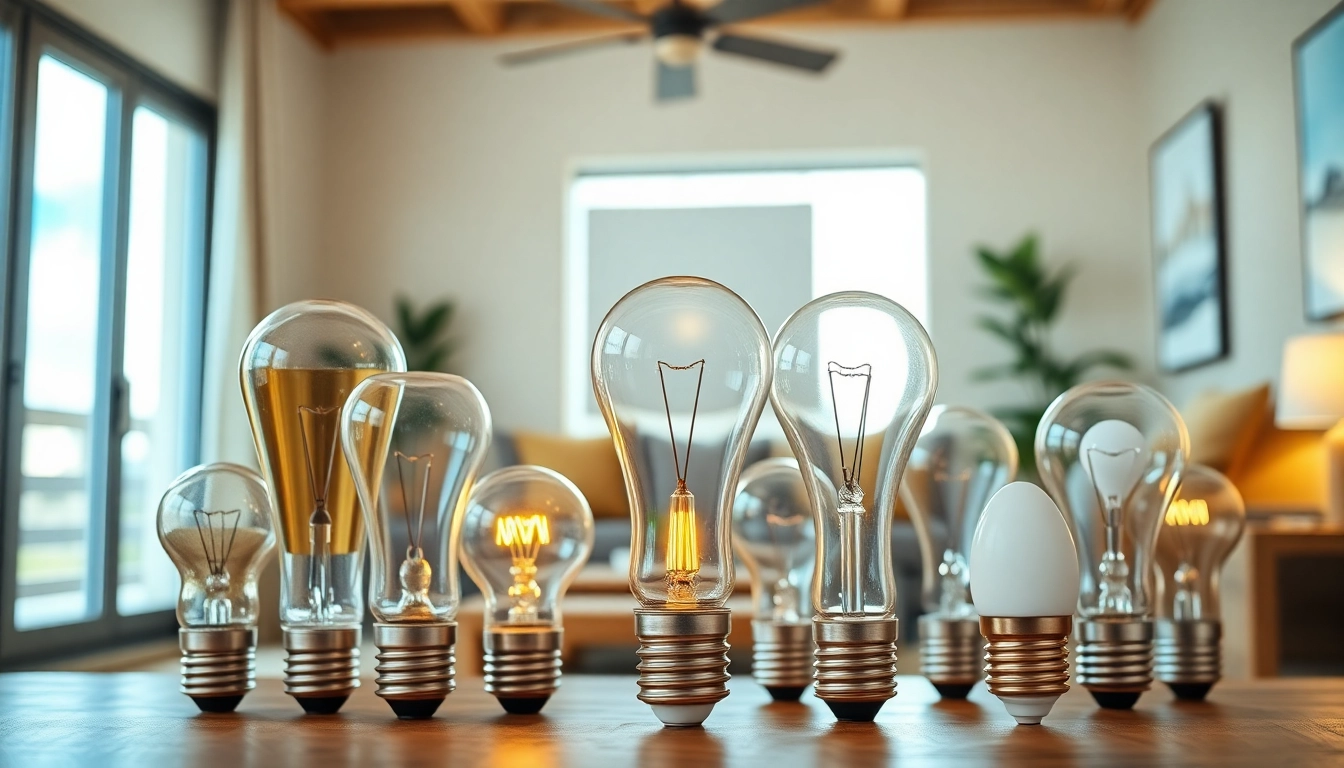
A19 light bulbs are a popular type of incandescent or LED light bulb characterized by their standard bulb shape and size. The "A" in A19 indicates that the bulb has an average pear shape, while the "19" represents its diameter in eighths of an inch—making it approximately 2.375 inches wide. This universal design allows A19 bulbs to fit a wide range of fixtures, making them an excellent choice for both residential and commercial lighting applications. Often used in table lamps, wall sconces, and ceiling fixtures, a19 light bulbs provide versatile illumination suited for various settings.
Specifications and Features
A19 light bulbs come with varying specifications that cater to specific user needs. They are available in different wattages and voltages, with typical wattages ranging from 9 watts for LED versions to around 60 watts for incandescent kinds. Notably, the lumen output can differ significantly, with high-efficiency LEDs generating up to 800 lumens, comparable to the traditional 60-watt incandescent. Additionally, A19 bulbs can vary in color temperature, often measured in Kelvins (K), which determines the warmth or coolness of the light emitted. Common color temperatures include 2700K (warm white) and 5000K (daylight), allowing users to customize their lighting ambiance.
Common Uses in Homes
Due to their adaptable design, A19 light bulbs find common use in various areas of the home. In living rooms, they function well in table lamps and ceiling fixtures, providing ambient lighting for relaxation or social gatherings. In kitchens, A19 bulbs illuminate workspaces effectively, often used in recessed lighting or pendant fixtures. Bathrooms also benefit from A19 bulbs, as they enhance visibility while adding a touch of modernity. Moreover, their versatility extends to decorative fixtures, making them suitable for chandeliers and artistic light designs.
Benefits of Using A19 Light Bulbs
Energy Efficiency Explained
One of the most significant advantages of A19 light bulbs, especially LED variants, is their energy efficiency. LED A19 bulbs use up to 80% less energy compared to traditional incandescent bulbs while providing the same or even better brightness levels. This energy efficiency translates to reduced electricity bills over time and a lower carbon footprint, making them an environmentally-friendly choice. With rising energy costs and increased focus on sustainability, energy-efficient A19 bulbs provide both immediate and long-term economic and ecological benefits.
Lighting Quality and Styles
The A19 bulb type offers a broad spectrum of lighting styles and qualities, enhancing the aesthetic of any space. LED A19 bulbs tend to have a CRI (Color Rendering Index) of 80 or higher, ensuring that colors appear vibrant and true to life. Additionally, A19 bulbs are constantly evolving, with manufacturers producing variations that include dimmable options and smart bulbs that can adjust brightness and color remotely. This feature allows homeowners to customize lighting to fit different activities or moods, from a cozy movie night to a bright reading space.
Adjusting Ambiance with A19 Light Bulbs
The ambiance created by lighting plays a crucial role in how we perceive our surroundings. A19 light bulbs can be utilized strategically to establish various atmospheres in a home. For calm, relaxed environments, lower color temperatures such as 2700K emit a warm, inviting glow, perfect for bedrooms or living areas. Conversely, cooler temperatures around 5000K can energize spaces while providing a daylight-like quality, ideal for work areas. Homeowners can experiment with combinations of brightness and color temperature using dimmable or smart A19 bulbs to curate their desired ambiance effectively.
How to Choose the Right A19 Light Bulbs
Factors to Consider Before Buying
When selecting A19 light bulbs, several essential factors come into play. First, consider the intended use—whether for a lamp, fixture, or accent lighting—as well as the size of the space where the bulb will be installed. Next, evaluate the bulb's energy efficiency rating; opting for LED options typically ensures better energy savings. Also, think about the dimmability feature if you desire adjustable lighting, and check compatibility with existing fixtures to avoid incompatibility issues.
Comparing LED and Incandescent Options
When comparing LED and incandescent A19 light bulbs, the vast differences become clear. Incandescent bulbs are often less expensive upfront but have a significantly shorter lifespan—roughly 1,000 hours—compared to LED equivalents, which can last up to 25,000 hours. Additionally, LED bulbs are sturdier, more resistant to shock and vibrations, and they operate cooler, reducing heat emissions in the environment. Notably, the energy savings realized through LED bulbs effectively offsets the initial price differences over time, making LEDs a cost-effective choice in the long run.
Color Temperature and Brightness
Color temperature and brightness, measured in lumens, play a pivotal role in the selection of A19 light bulbs. Color temperature influences mood and functionality—warm white (around 2700K) is ideal for relaxation, while daylight (4000K-5000K) boosts alertness and productivity. When choosing brightness, aim for the lumen level that fits the application; for general ambient lighting, 800 lumens is standard. As a guideline, replacing a 60-watt incandescent bulb typically requires a 10-15 watt LED to maintain similar brightness while enhancing energy efficiency.
Installation and Maintenance Tips
Safe Installation Practices
The installation of A19 light bulbs is relatively straightforward, yet safety remains a priority. Always ensure that the power is turned off before replacing a bulb to prevent shocks or accidents. Use cautious pressure when screwing in the bulb to avoid stress on the socket. If mounting A19 bulbs in fixtures that require specific wattages, confirm that the wattage limit is not exceeded. For hard-to-reach areas, consider using a sturdy ladder and ensure that someone is present to hold it if necessary.
Caring for Your A19 Light Bulbs
Maintaining A19 light bulbs not only extends their lifespan but also ensures optimal performance. Regular dusting or wiping down bulbs with a dry cloth can prevent dirt build-up, which would otherwise diminish light output. Avoid using moisture or cleaning solutions that may damage the bulb's surface. For LED bulbs, there's little need for replacement in the short term, but monitoring their performance for any flickering can indicate electrical issues or the end of the bulb's life cycle, warranting further investigation.
Common Issues and Solutions
Encountering problems with A19 light bulbs is not uncommon, but most issues have straightforward solutions. Flickering lights may signal an issue with the bulb, fixture, or circuit. First, ensure the bulb is securely fitted. If the bulb is dimmable, it’s essential to use compatible dimmer switches to avoid flickering. For bulbs that cannot turn on, check the circuit breaker and replace the bulb. Should the new bulb still fail, an electrical issue may need professional evaluation to maintain safety and functionality.
FAQs About A19 Light Bulbs
What is the lifespan of A19 light bulbs?
A19 light bulbs typically last between 10,000 to 25,000 hours depending on the type (LED, incandescent, etc.).
Are A19 light bulbs dimmable?
Many A19 LED bulbs are dimmable, but it's crucial to check specifications before use with a dimmer switch.
What wattage should I buy for A19 light bulbs?
For general use, choose a wattage equivalent that matches the lumens needed; generally, 10-15 watts for LED replacements.
Can I use A19 bulbs outdoors?
While many A19 bulbs are intended for indoor use, some are suitable for outdoor fixtures; ensure they're rated for outdoor use.
How do A19 light bulbs compare to other shapes?
A19 light bulbs are versatile in standard applications, while other shapes serve specific functions like spotlighting or decorative lighting.