
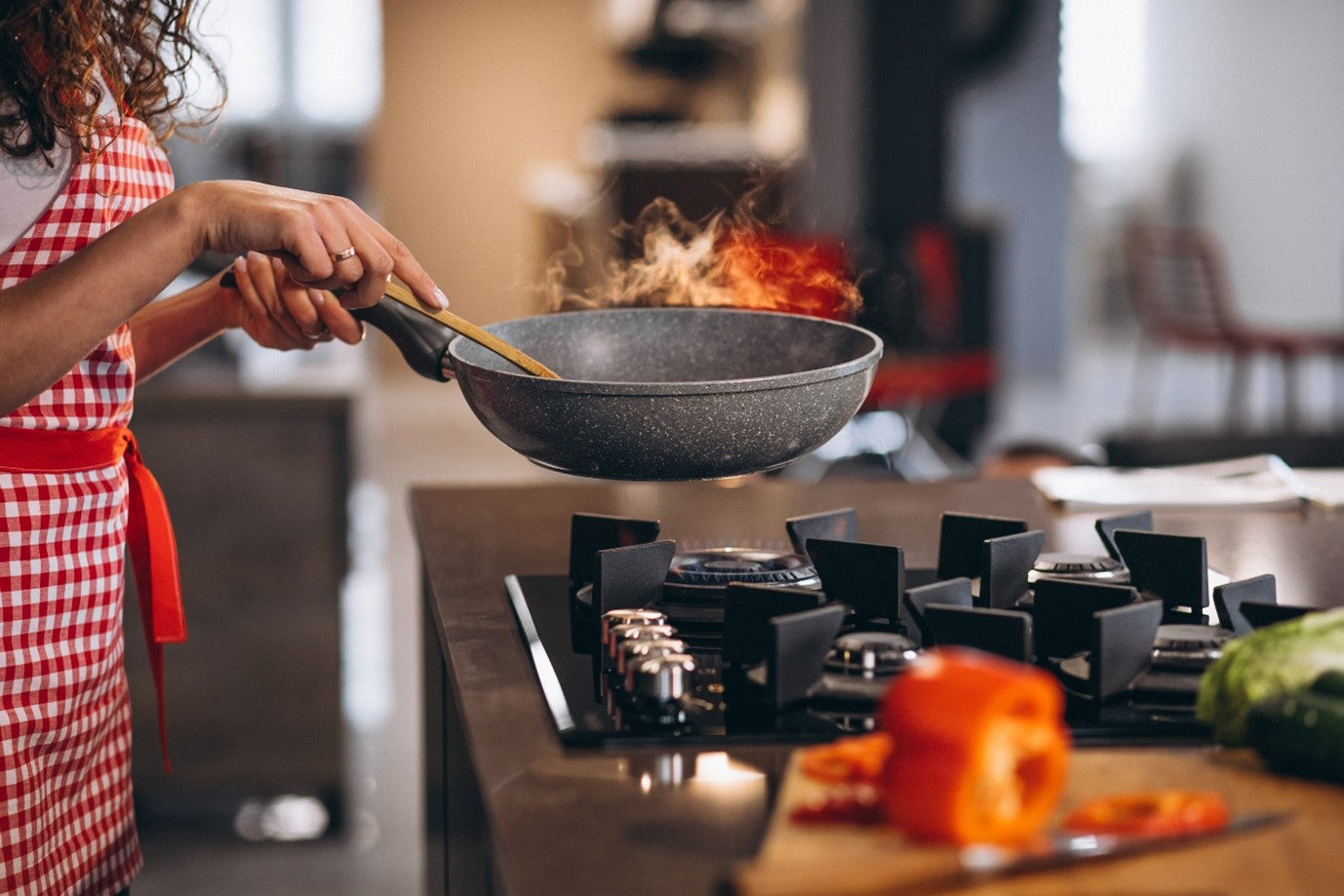
Cast iron Cookware has become incredibly popular again, thanks to its durability, versatility, and classic cooking performance. Whether you're searing steaks, baking cornbread, or slow-cooking stews, cast iron Cookware delivers results many modern pans can’t match. But is it worth the investment for your kitchen? This guide breaks down the real pros and cons so you can decide if cast iron Cookware deserves a spot in your cooking routine.
Why Cast Iron Cookware Stands Out
Cast iron Cookware has been used for centuries. Its ability to retain heat and cook food evenly makes it a favorite among both home cooks and professionals. While it requires special care, many people find the effort worthwhile due to its performance and long-lasting value.
What Makes It Unique
The weight, thickness, and heat distribution of cast iron Cookware give it a distinctive cooking experience that’s hard to replicate with other materials.
Pros of Cast Iron Cookware
Exceptional Heat Retention
Cast iron Cookware holds heat better than most materials. Once hot, it stays hot, making it ideal for searing meat, frying foods, and maintaining consistent temperatures.
Naturally Nonstick When Seasoned
A well-seasoned piece of cast iron Cookware develops a smooth, natural nonstick layer. This makes cooking eggs, pancakes, and delicate foods easier over time.
Incredibly Durable
Cast iron Cookware is known to last for decades—sometimes generations. With proper care, it becomes more seasoned and effective the longer you use it.
Oven and Grill Friendly
One of the greatest benefits of cast iron Cookware is its versatility. You can use it on the stovetop, in the oven, over a grill, or even on a campfire.
Boosts Food with Iron
Cooking with cast iron Cookware can naturally add small amounts of iron to your food, which is especially beneficial for people with iron deficiencies.
Cons of Cast Iron Cookware
Heavy to Handle
Cast iron Cookware is significantly heavier than other types of pans. This may be challenging for beginners or anyone who prefers lightweight tools.
Requires Regular Seasoning
To maintain its nonstick surface, cast iron Cookware needs proper seasoning. This involves applying oil and heating the pan to protect it from rust.
Not Ideal for Acidic Foods
Tomato-based dishes or vinegar-heavy recipes can damage the seasoning of cast iron Cookware, causing metallic flavors or surface wear.
Takes Longer to Heat Up
Cast iron Cookware heats slowly compared to stainless steel or aluminum. However, once it’s hot, it maintains that heat exceptionally well.
Can Rust if Not Cared For
If exposed to moisture or washed incorrectly, cast iron Cookware can rust. Fortunately, rust is usually reversible with cleaning and reseasoning.
When Cast Iron Cookware Is Worth It
Perfect for High-Heat Cooking
If you love searing steaks, frying chicken, or making crispy roasted potatoes, cast iron Cookware is a top choice.
Great for Slow Cooking
Cast iron Cookware shines in recipes like stews, chili, bread, and roasted dishes. Its even heating makes everything taste richer.
Ideal for Home Chefs Who Enjoy Care Rituals
If you don’t mind a little seasoning and maintenance, cast iron Cookware becomes more rewarding with each use.
Excellent for Budget-Friendly Kitchens
Despite lasting a lifetime, cast iron Cookware is often affordable. Many pieces cost far less than high-end stainless steel or ceramic pans.
When Cast Iron Cookware Might Not Be Right for You
If You Prefer Lightweight Tools
Those who struggle with heavy pans may find cast iron Cookware inconvenient.
If You Cook a Lot of Acidic Recipes
Daily tomato sauces or citrus-based meals may make cast iron Cookware less practical.
If You Need Ultra Quick Heating
For fast meals, you may prefer a lighter material that heats quickly.
Tips for Using Cast Iron Cookware
Season Regularly
A thin coat of oil baked onto the pan keeps your cast iron Cookware naturally nonstick and rust-resistant.
Clean Gently
Avoid harsh soaps. Warm water, a scrub brush, and salt are usually enough to clean cast iron Cookware.
Dry Immediately
Moisture can cause rust, so always dry your cast iron Cookware right after washing.
Store Properly
Keep cast iron Cookware in a dry spot and place a paper towel between stacked pans to absorb any residual moisture.
Conclusion
Cast iron Cookware is absolutely worth it if you value durability, superior heat retention, and versatile cooking performance. While it requires a bit of care and comes with a few limitations, the strengths of cast iron Cookware often outweigh the drawbacks. For many home cooks, it becomes an indispensable tool that improves with every use—making it a rewarding and long-lasting addition to any kitchen.