Understanding the Importance of a Trade Show Booth
Why Your Trade Show Booth Matters
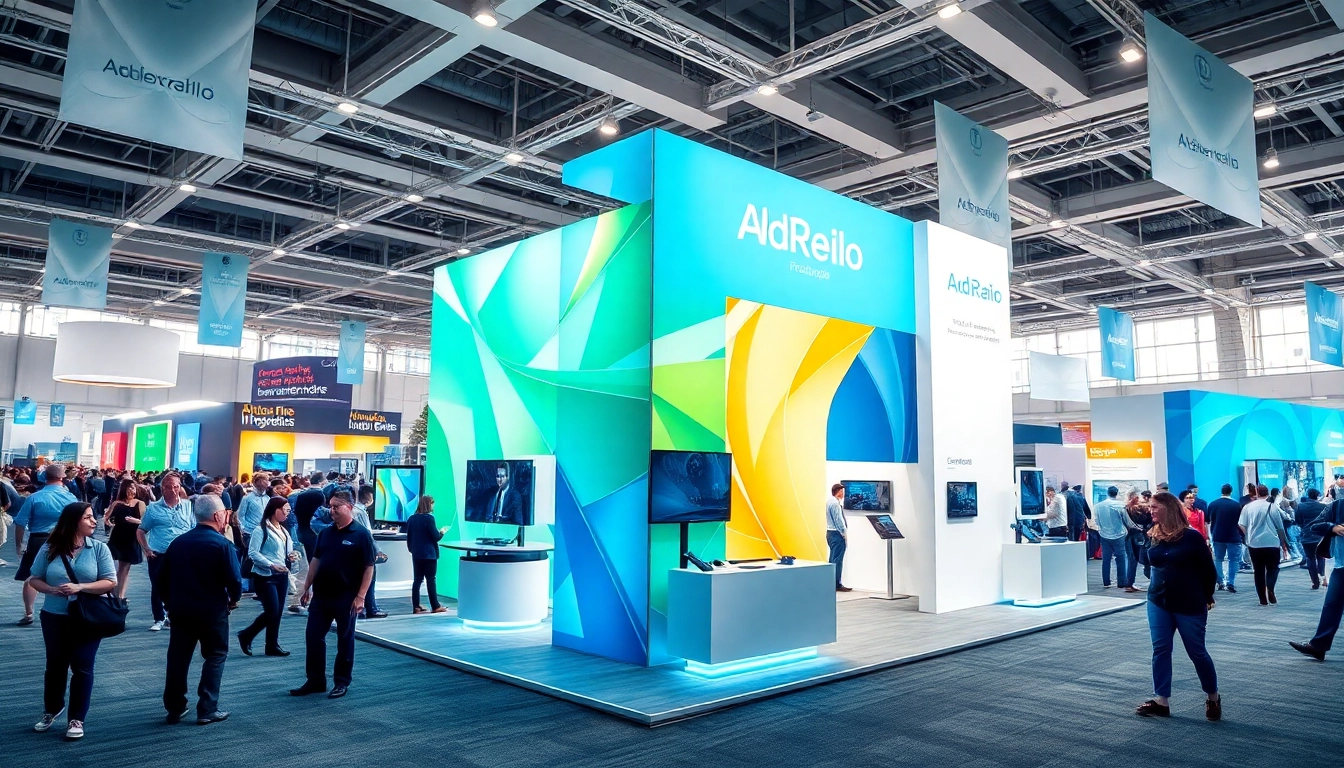
A trade show booth is more than just a space to showcase products; it is a strategic tool that offers a platform for businesses to connect with potential customers, industry partners, and competitors. As businesses strive to stand out from the crowd, having an impactful trade show booth can significantly determine the success of their marketing efforts in highly competitive environments. A well-designed booth captivates attendees, communicates your brand message effectively, and enhances lead generation capabilities.
In today's marketplace, where consumer attention is fleeting, ensuring that your trade show booth is not only visually appealing but also communicates your unique selling proposition is essential. The trade show booth serves as a direct representation of your brand, making it vital to invest in both its design and functionality.
The Role of First Impressions
First impressions hold immense power, especially in a trade show setting where thousands of businesses vie for attention. An aesthetically pleasing and strategically designed booth can draw attendees in, often serving as the first point of contact between your brand and potential customers. Research indicates that 80% of attendees decide within the first few seconds whether or not they want to engage with a booth based on visual appeal alone.
To capitalize on this, ensure that your booth design reflects your brand identity through colors, logos, and themes. Utilizing high-quality visuals and banners can make your booth stand out, intriguing visitors and creating lasting memories that may convert to future sales.
Customer Engagement Strategies
Engaging your audience is critical to maximizing your trade show investment. It goes beyond just attracting attendees; it involves fostering interactions that lead to meaningful conversations. Utilize various customer engagement strategies within your trade show booth, such as live demonstrations, interactive displays, and personalized experiences. Creating a welcoming atmosphere through friendly and knowledgeable staff can further enhance guest experiences.
Consider incorporating technology, such as VR experiences or touchscreen displays, to captivate audiences. These tactics not only attract attendees but also encourage lengthy interactions that can lead to valuable connections.
Essential Design Elements of a Trade Show Booth
Visual Branding and Messaging
Effective visual branding is crucial in any trade show booth design. Your booth should convey your message clearly and efficiently. Use bold visuals, compelling graphics, and consistent branding elements to convey your core message quickly. Additionally, integrating unique elements that reflect your company culture can create an emotional connection with attendees.
Consistent messaging across all materials ensures that visitors understand your brand at a glance. Whether you choose to incorporate product displays, promotional material, or digital screens, each element should reflect your brand’s identity cohesively.
Layout and Space Utilization
The layout of your trade show booth plays a significant role in its effectiveness. Utilize the space strategically to create an inviting experience. Open layouts encourage movement, invite visitors to explore, and allow for easy interaction among attendees. Consider designating specific zones within the booth for product displays, consultation areas, and networking opportunities.
Proper flow is essential; create pathways that guide attendees throughout your booth without feeling crowded. The placement of high-traffic items, like giveaways or information desks, can act as magnets to attract visitors.
Incorporating Technology in Your Booth
Modern trade show booths increasingly leverage technology to elevate the visitor experience. Digital displays and interactive kiosks can effectively present information and engage attendees in real-time. Social media displays can also promote visitor interaction and involvement, encouraging sharing of experiences online.
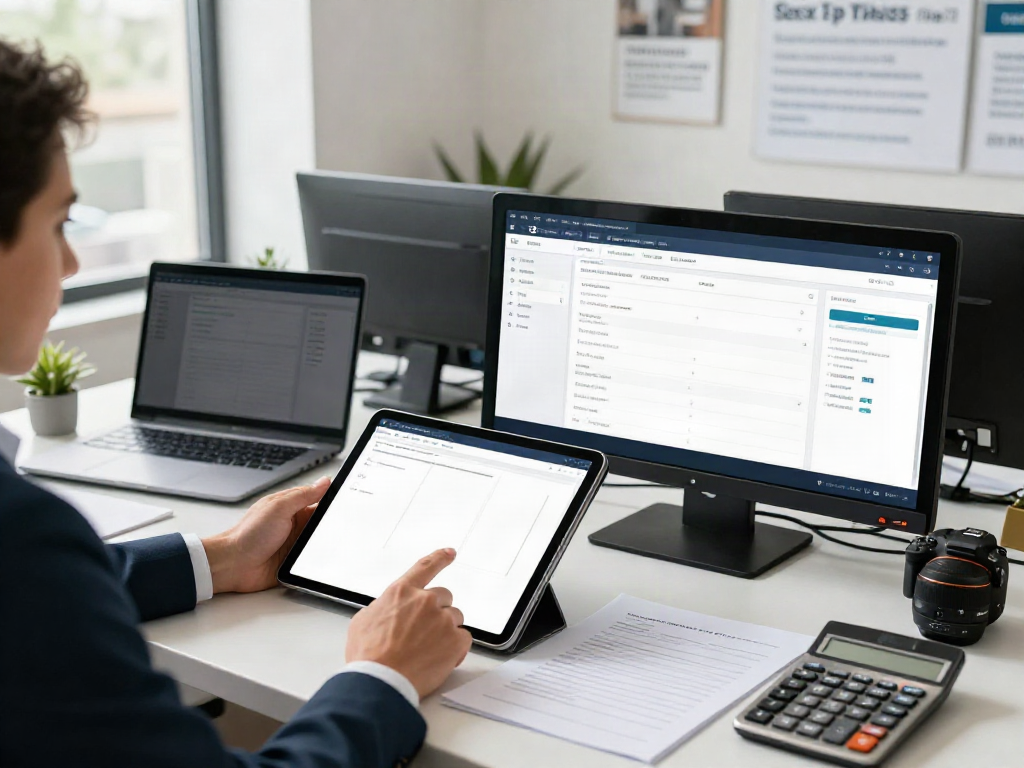
Utilizing tablets for lead capture is another way to maximize your technology investment. Instead of traditional paper forms, collecting information digitally can speed up the process, making it easy for your team to follow up with leads post-event.
Choosing the Right Materials for Your Trade Show Booth
Types of Display Materials
Your choice of materials for the trade show booth can impact its durability, appearance, and functionality. Common options include tension fabric, banners, and modular displays. Each offers distinct advantages based on your specific trade show goals.
- Tension Fabric: Lightweight and easy to transport, making assembly quick and efficient.
- Modular Displays: Adaptable to different booth spaces, allowing flexibility in design.
- Backlit Displays: Enhancements that create a striking visual impact, drawing attention to your booth.
Evaluate the various materials available, considering aesthetics, ease of assembly, and overall functionality. Additionally, choosing the right materials can enhance the longevity of your booth, making it a more sustainable investment.
Durability and Portability Considerations
Durability and portability are essential factors to consider when designing a trade show booth. Your investment should not only survive the rigors of transportation but also withstand multiple uses. Materials designed to endure wear and tear, such as robust frames and high-quality fabrics, can reduce replacement and repair costs.
Moreover, consider how easily the booth can be assembled and disassembled. Opting for systems requiring minimal tools streamlines setup and breakdown processes. Portability makes it feasible to attend a diverse range of events without incurring excessive logistical costs.
Eco-Friendly Options for Sustainability
With growing environmental awareness, incorporating sustainable practices in booth design is not only beneficial for the planet but can also enhance brand identity. Consider using recycled materials, energy-efficient lighting, and sustainable printing techniques to reduce your booth's carbon footprint.
These eco-friendly options not only resonate with eco-conscious consumers but also position your brand as a responsible entity. Companies that prioritize sustainability tend to build stronger connections with their audience, creating loyalty and leading to increased sales.
Tips for Maximizing Traffic to Your Trade Show Booth
Pre-Event Marketing Strategies
Effective pre-event marketing prepares the ground for successful trade show participation. Building anticipation through email campaigns, social media promotions, and targeted advertising can drive traffic to your booth. Engage past attendees with teasers and exclusive offers, making them feel valued.
Additionally, securing partnerships with relevant influencers or industry leaders can bolster visibility and credibility, amplifying your booth's appeal.
Interactive Experiences and Giveaways
Creating interactive experiences at your trade show booth fosters connections with attendees. Gamification can encourage visitors to engage actively with your brand. Consider activities such as contests or prize drawings that require participation, thus building rapport and drawing a crowd.
Giveaways are always a crowd-pleaser. Offering strategic promotional items that reflect your brand can enhance recollection when attendees consider products or services long after the trade show concludes.
Networking and Follow-Up Practices
Networking doesn't stop at the trade show floor. Post-event follow-ups are critical in converting leads into sales. Immediately after the event, initiate communication with collected leads, thanking them for visiting your booth and sharing additional company information or offers.
Incorporating a strategic follow-up schedule ensures ongoing engagement and distinguishes your company in the attendee's memory. Use personalized messaging to reinforce connections built during the event.
Measuring Success After the Event
Setting Key Performance Indicators
Effectively measuring the success of your trade show participation requires setting clear key performance indicators (KPIs) beforehand. KPIs could include metrics like leads collected, meetings scheduled, and brand impressions generated during the event. Establishing specific, measurable goals allows for a more accurate assessment of success.
After the trade show, review these KPIs to evaluate overall performance. Understanding which metrics were successful can help inform strategies for future events.
Data Collection and Analysis
Data collection during the event is crucial for evaluating performance. Utilize lead capture tools to gather information from attendees; this information can be used for analysis on conversion rates, customer interests, and overall engagement levels. Post-event surveys are also helpful for gathering feedback on attendee experiences and perceptions of your booth.
By analyzing this data, companies can identify strengths and weaknesses in their trade show approach, leading to better strategies in subsequent events.
Improving Future Trade Show Booth Strategies
Continuous improvement is essential in optimizing trade show booth strategies. By reflecting on past successes and failures, businesses can adapt their approach to meet the evolving needs of their audience. Reviewing collected data and feedback can provide insights into what resonated well and what fell flat, allowing adjustments in messaging and design.
Regularly updating booth elements to keep up with trends can also enhance engagement in future shows. Staying proactive in learning from past events helps refine strategies for maximizing impact in future trade shows.