Understanding Gramaphone Records: History and Significance
Gramaphone records, often recognized as an iconic part of music history, have paved the way for how we experience sound today. Their rich history and cultural significance stretch back over a century, shaping not only musical trends but also the entire music industry. In this exploration, we will delve deep into the origins, cultural impacts, and renowned artists associated with gramaphone records, forming a comprehensive understanding of their importance in music history. For music enthusiasts and collectors alike, discovering gramaphone records can open a treasure trove of auditory delights.
Origins of gramaphone records and early developments
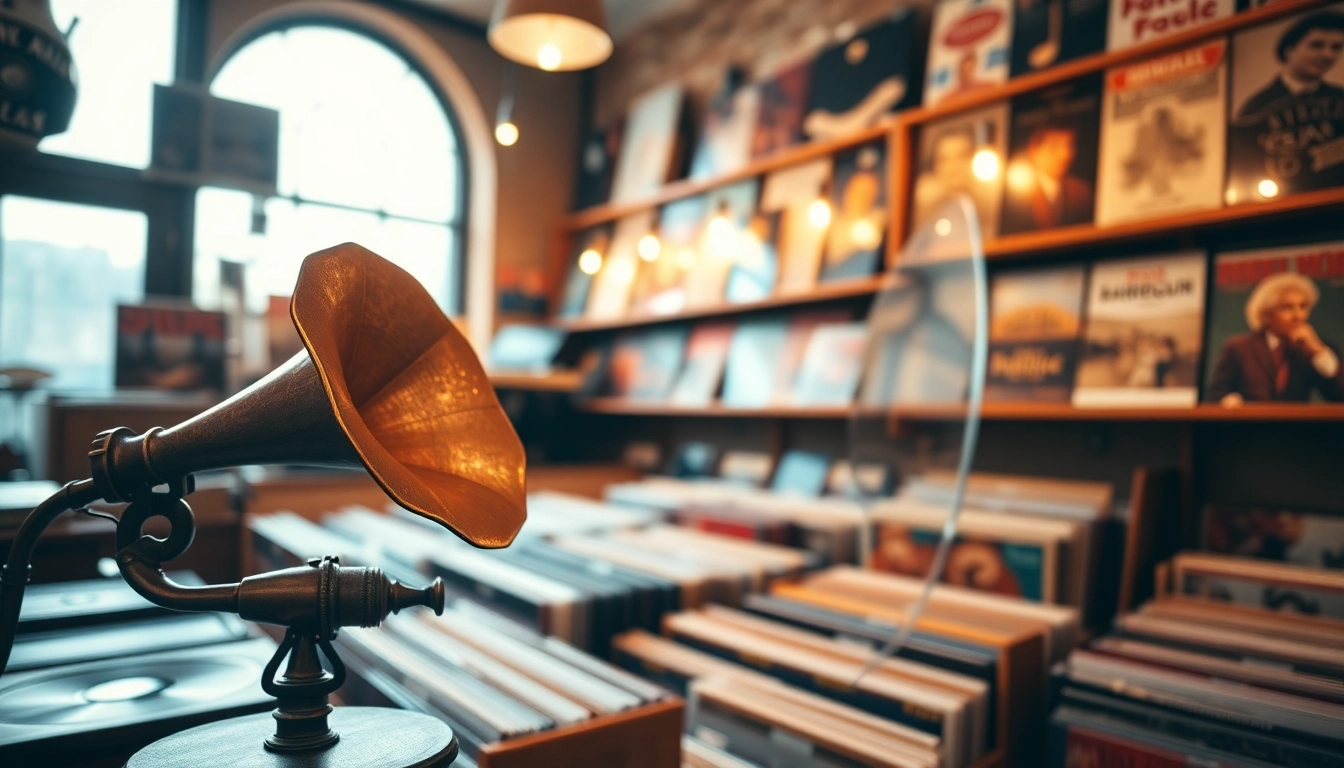
The journey of gramaphone records begins in the late 19th century with the invention of the phonograph by Thomas Edison. The early models were initially rudimentary, utilizing tin foil cylinders. However, it was Emile Berliner’s introduction of the flat disc in the 1890s that truly revolutionized sound recording. Berliner’s gramophone, a device that played these discs, laid the groundwork for the modern music industry. The gramaphone records became commercially viable in the early 1900s, with labels popping up to produce recordings of popular artists of the time.
Throughout the early decades, gramaphone records advanced in technology and quality. The move from shellac to vinyl in the mid-20th century marked a significant era, providing better sound quality and durability. As society evolved, so did the content of gramaphone records, with jazz, blues, classical, and various popular genres emerging as dominant forces in the market.
The cultural impact of gramaphone records in music history
Gramaphone records did more than just propagate music; they were instrumental in spreading new ideas and cultures. The rise of recording technologies allowed for the documentation of cultural practices and musical expressions that might have otherwise been lost to time. In the 1920s and 1930s, for example, the popularity of African American music genres such as jazz and blues surged, leading to widespread cultural shifts.
Additionally, gramaphone records played a crucial role during significant historical events. During World War II, for instance, records were used to boost morale among troops. Record players were common in barracks, and music became a channel for emotional expression. Furthermore, as different genres began to merge and evolve, the influence of gramaphone records became evident across global music scenes, leading to the birth of various music revolutions.
Famous artists and albums in the realm of gramaphone records
Throughout the years, numerous legendary artists have etched their names in the annals of gramaphone records history. Icons such as Louis Armstrong, Billie Holiday, and Duke Ellington emerged during the jazz age, producing timeless recordings that are still celebrated today. The Beatles and Elvis Presley later contributed to the rock and roll revolution, demonstrating how gramaphone records could capture the spirit of an entire generation.
Notably, albums such as “Kind of Blue” by Miles Davis and “Abbey Road” by The Beatles are not just musical collections; they represent seismic shifts in musical style and cultural expression. These records and their associated sounds continue to resonate within musical communities, serving as benchmarks against which new music is measured.
The Art of Collecting Gramaphone Records
Collecting gramaphone records is not merely a hobby; it can be an enriching experience that connects individuals to the past while celebrating the present. The pursuit of these auditory gems requires patience, knowledge, and an appreciation for sound quality.
How to start a gramaphone records collection
For budding collectors, starting a gramaphone records collection can be a thrilling venture. Here are some practical steps to begin:
- Research: Learn about different genres, artists, and the evolution of gramaphone records.
- Invest in a good turntable: Quality matters; choose a turntable that will enhance your listening experience.
- Visit record stores: Explore local record shops, flea markets, and estate sales to find unique records.
- Join communities: Engage with fellow collectors through social media platforms and local record clubs for insights and recommendations.
Identifying valuable gramaphone records
Not all gramaphone records hold equal value. To ensure that you are investing wisely, familiarize yourself with factors that contribute to a record’s worth:
- Condition: The physical condition of the record plays a significant role. Look for scratches, wear, and proper storage.
- Rarity: Limited edition releases, records never reissued, or those featuring historically significant performances tend to be more valuable.
- Artist popularity: Artists with a dedicated fan base or those who have influenced music history often see their records fetch higher prices.
Caring for and preserving your gramaphone records
Maintaining your gramaphone records is crucial for preserving their sound quality and lifespan. Here are some key care tips:
- Store vertically: Keep records standing upright to prevent warping.
- Clean regularly: Use appropriate tools to clean records after every use to remove dirt and dust.
- Control environment: Store in a cool, dry place away from direct sunlight to minimize degradation.
Exploring Genres within Gramaphone Records
One of the great allurements of gramaphone records is their vast musical landscape. From classical symphonies to contemporary indie hits, gramaphone records offer a diverse range of genres for every taste.
Diverse musical styles on gramaphone records
Gramaphone records encompass a plethora of musical genres, making them a treasure chest for audiophiles:
- Jazz: This genre showcases improvisation and rhythm, with landmark recordings that defined the sound for generations.
- Blues: Known for its deep emotional expression, blues records often tell vibrant stories of life experiences.
- Classical: Classical gramaphone records feature orchestral masterpieces and operatic arias that resonate through time.
- Rock & Roll: The music of rebellion and youthful exuberance, rock & roll gramaphone records encapsulate the soundtracks of many lives.
The resurgence of vintage genres via gramaphone records
In recent years, we’ve witnessed a revival in the popularity of gramaphone records, with vintage genres experiencing a renaissance. Many new artists are channeling classic sounds, and enthusiasts are actively seeking out vintage recordings. This resurgence indicates not just a love for music but a cultural movement embracing nostalgia and authenticity. Events like record fairs, pop-up markets, and themed listening parties highlight the ongoing relevance and admiration for gramaphone records.
Noteworthy labels and what they offer in gramaphone records
Numerous labels have significantly contributed to the world of gramaphone records, producing timeless music celebrated by various generations. Labels specializing in specific genres often curate unique collections, providing you with an opportunity to explore niche music realms. Whether it’s a jazz label known for its authentic recordings or a classical label that archives breathtaking performances, a wide world awaits curious collectors.
Innovations in Playing Gramaphone Records
With the technological advances in both recording and playing music, the experience of listening to gramaphone records has transformed. Understanding the tools and settings that enhance playback will enrich your listening journey.
Comparing modern and vintage players for gramaphone records
When it comes to playing gramaphone records, the choice between modern and vintage players can significantly affect sound quality:
- Modern Turntables: Equipped with advanced features for audio fidelity, modern players often incorporate USB output, built-in amplification, and Bluetooth connectivity.
- Vintage Turntables: While they may lack some modern conveniences, vintage turntables are appreciated for their nostalgic sound and build quality, often delivering a warmer audio experience.
Best practices for setting up your gramaphone records system
To ensure optimal sound quality, setting up your gramaphone records system properly is essential. Here are some best practices:
- Level your turntable: Ensure your turntable is placed on a flat surface to avoid skipping and wobbling when playing records.
- Use quality speakers: Pair your turntable with speakers that enhance audio reproduction, choosing those that fit the size of your space.
- Avoid interference: Keep your turntable away from devices that may cause audio interference, such as wireless routers or microwaves.
Technological advancements in reproducing gramaphone records
Technological innovations continue to play a pivotal role in enhancing the sound quality and accessibility of gramaphone records. New cartridge designs, advanced stylus shapes, and digital restoration processes help to capture the original sound more faithfully. Additionally, there are services available that specialize in transferring gramaphone records to digital formats, allowing you to enjoy vintage music in contemporary ways.
The Future of Gramaphone Records in Digital Age
As digital formats dominate the music industry, gramaphone records are standing their ground with unique offerings that resonate with audiophiles and casual listeners alike. Understanding the future landscape of gramaphone records involves recognizing their everlasting appeal and integration into modern culture.
How gramaphone records hold their ground against digital formats
The resurgence of vinyl records serves as evidence that many listeners seek a tangible and authentic experience that digital formats cannot replicate. The physical act of placing a record on a turntable, combined with the warm sound that comes from analog playback, creates a profound connection between the listener and the music. Even as streaming services proliferate, the allure of gramaphone records remains strong.
Community and events celebrating gramaphone records
Communities around gramaphone records continue to thrive, with events such as record fairs, release parties, and listening sessions drawing enthusiasts together. This collective passion for the format fosters relationships and networks that fuel a growing interest in music culture. Social media has also played a vital role in connecting collectors and aficionados, facilitating a vibrant online community.
The potential for new artists with gramaphone records
New artists are increasingly embracing gramaphone records as a means of creative expression. Many emerging musicians are recognizing the value of releasing music on vinyl, leveraging its aesthetic and nostalgic qualities to stand out in a saturated market. This trend provides an exceptional opportunity for artists, offering a direct connection between them and their audience while tapping into the growing demand for physical music formats.