
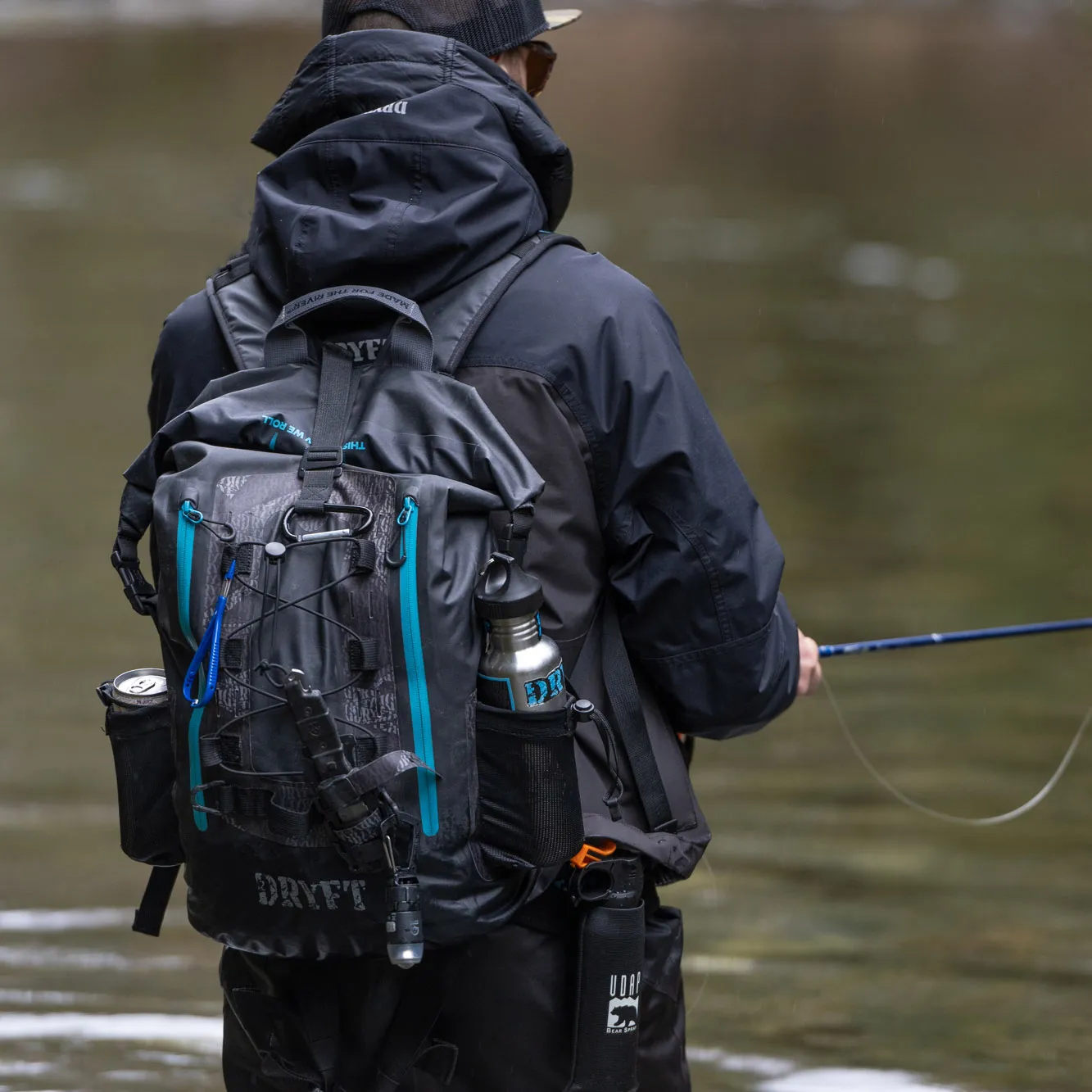
Fly fishing is more than a hobby—it’s an adventure that takes you to serene rivers, remote lakes, and hidden streams. Whether you’re a seasoned angler or a beginner, having the right gear is crucial, and nothing complements your fishing experience like a reliable fly fishing backpack. A quality backpack can make your trips more organized, efficient, and enjoyable. In this guide, we’ll explore everything you need to know to choose the perfect fly fishing backpack for your needs.
Why a Fly Fishing Backpack is Essential
A fly fishing backpack isn’t just a bag; it’s a mobile storage system designed specifically for anglers. These backpacks are built to hold fishing gear, tackle, waders, and sometimes even hydration systems. Unlike regular backpacks, a fly fishing backpack offers specialized compartments for rods, reels, and flies, ensuring your equipment stays safe and accessible. The right backpack reduces the stress of carrying heavy gear and allows you to focus on the water, not on your load.
Key Features to Look For
When selecting a fly fishing backpack, several features can make a big difference in usability and comfort.
1. Capacity and Storage
Consider what gear you typically carry. Some fly fishing backpacks are compact, ideal for short trips with only essential gear, while others offer large storage options for multi-day excursions. Look for multiple compartments and pockets that allow easy organization of flies, tippet, reels, and personal items.
2. Material and Durability
Your fly fishing backpack should withstand harsh outdoor conditions. High-quality materials like ripstop nylon or water-resistant polyester offer durability and protection against rain, dirt, and abrasion. Reinforced seams and zippers also extend the lifespan of your backpack.
3. Comfort and Fit
Since fishing often involves long hikes or wading through streams, comfort is paramount. A well-designed fly fishing backpack features padded shoulder straps, adjustable chest and waist belts, and breathable back panels. Ergonomic designs reduce fatigue, allowing you to enjoy your fishing trips longer.
4. Accessibility
A good fly fishing backpack allows you to access your gear quickly. Some models feature side or front compartments that open fully, while others include fly patch areas and dedicated reel pockets. Quick access prevents missed opportunities when fish are actively biting.
5. Additional Features
Modern fly fishing backpacks may include built-in rod holders, hydration system compatibility, wader straps, and even removable tackle trays. Consider your fishing style and select a backpack that enhances your efficiency on the water.
Types of Fly Fishing Backpacks
There are several types of fly fishing backpacks designed to meet different needs:
- Daypacks: Lightweight and compact, perfect for short fishing trips or solo excursions.
- Technical Packs: Designed for anglers who need extra organization and features like rod holders and removable tackle boxes.
- Wader Packs: Large backpacks capable of carrying waders, boots, and other bulkier gear for longer trips.
Each type serves a specific purpose, so choosing a backpack that matches your fishing style is critical for comfort and convenience.
Tips for Choosing the Right Fly Fishing Backpack
- Match Size to Trip Length: Short trips require smaller, lighter backpacks, while multi-day trips need larger storage.
- Prioritize Comfort: Ensure straps and padding fit well and don’t cause strain.
- Check for Water Resistance: Protects your gear from rain or accidental splashes.
- Look for Customizable Features: Compartments that can be reconfigured allow you to adapt your backpack to various trips.
- Consider Weight Distribution: A well-balanced fly fishing backpack reduces fatigue, especially when hiking to remote spots.
Maintaining Your Fly Fishing Backpack
Proper maintenance can extend the life of your fly fishing backpack. Clean your backpack regularly with mild soap and water, and avoid machine washing unless the manufacturer explicitly allows it. Dry your backpack thoroughly after each trip, especially if it’s wet from wading or rain. Storing your backpack in a cool, dry place prevents mold and material degradation.
Conclusion
A fly fishing backpack is an essential piece of gear for any angler, combining functionality, comfort, and durability. By focusing on the right size, material, and features, you can find a backpack that perfectly suits your fishing style and enhances every outdoor adventure. Investing in a quality fly fishing backpack not only keeps your gear organized but also allows you to enjoy fishing with greater ease and efficiency, making every trip more rewarding. With this guide, you’re now equipped to choose the ultimate fly fishing backpack that meets all your angling needs.