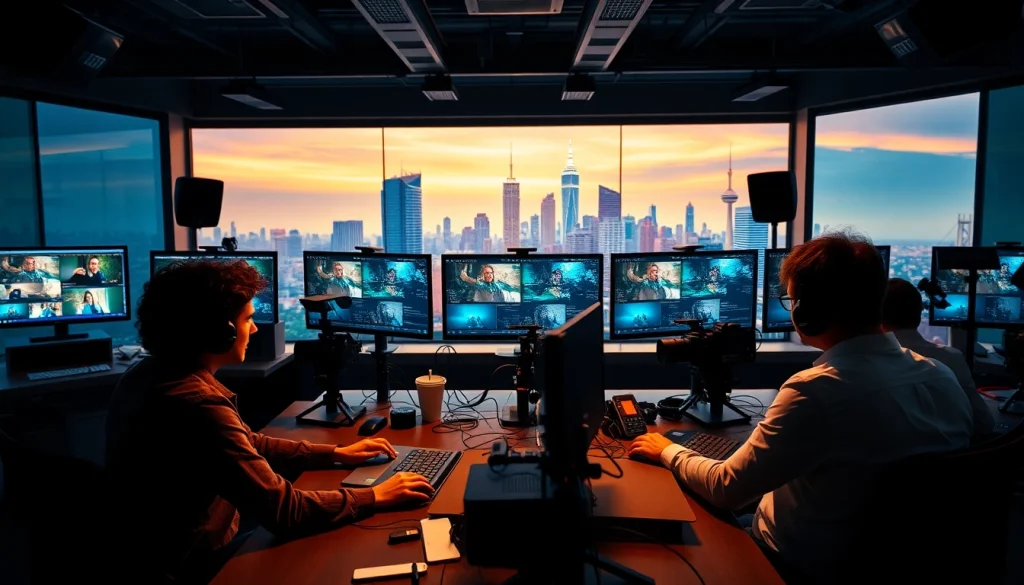
Understanding Video Editing Services
What Are Video Editing Services?
Video editing services encompass a range of processes and techniques aimed at creating a final video product that meets the expectations of clients, be they individuals, businesses, or organizations. These services involve the meticulous task of assembling raw video footage, eliminating unnecessary segments, and enhancing the visual and auditory elements of the content to produce a polished final product. From simple cut-and-trim edits to complex projects requiring advanced special effects and color correction, video editing services can transform unrefined footage into compelling storytelling tools.
In an increasingly visual world, the demand for high-quality video content is soaring. Whether for marketing purposes, educational content, social media engagement, or personal projects, the expertise of professionals in video editing is vital. By engaging video editing services, clients ensure that their projects not only reach but engage and resonate with their intended audiences.
The Importance of Professional Video Editing
Professional video editing is crucial for several reasons. First, it ensures that the final product is visually appealing. An experienced editor understands the aesthetic aspects, such as pacing, transitions, and color grading, which can greatly elevate the video’s appeal. Second, video editing can significantly enhance the narrative structure of the content. Editors can control the flow of the story by determining the sequence of shots and integrating visual and audio elements that add depth.
Moreover, professional video editing enhances the viewer's engagement and retention. Studies have shown that quality production can keep viewers engaged for longer, increasing the likelihood of sharing the content. For businesses, this translates into more leads, conversions, and brand loyalty. Ultimately, investing in professional editing can be pivotal in distinguishing the quality of one’s content in a saturated market.
Types of Video Editing Services Offered
Video editing services are diverse, catering to various needs and industries. Below, we explore some of the primary types prevalent in the market:
- Corporate Video Editing: Focused on creating content for companies, this includes promotional videos, training materials, and corporate branding clips.
- Social Media Video Editing: Short, punchy edits tailored for platforms like Instagram, TikTok, and Facebook, where engagement times are shorter.
- Event Video Editing: Capturing and editing footage from weddings, conferences, or other special events, delivering a concise narrative of the happenings.
- YouTube Video Editing: Creating compelling YouTube content that includes optimizing for viewer retention rates through engaging visuals and sound design.
- Documentary Editing: A detailed and structured editing process required for longer narrative pieces, focusing on storytelling through various shots and interviews.
Choosing the Right Video Editing Service
Factors to Consider When Selecting Services
When searching for the right video editing service, clients should consider several critical factors to ensure their needs are met effectively:
- Portfolio and Experience: Reviewing past work helps in assessing the style and quality of the editor's previous projects.
- Specialization: Some editors focus on specific industries or types of content; choosing someone with experience relevant to your project can lead to better outcomes.
- Turnaround Time: Depending on the project’s urgency, the turnaround time can be a determining factor. Ensuring that the service can meet deadlines is essential.
- Communication: Clear and ongoing communication is vital as it helps convey expectations and allows for adjustments during the editing process.
- Reviews and Testimonials: Feedback from previous clients can provide insights into their experiences with the service and the quality of the final product.
Evaluating Service Providers
Once a list of potential editors has been made, the next step is to evaluate these service providers. This often includes:
- Initial Consultation: Many services offer consultations to understand client requirements better and showcase their suggestions and solutions.
- Trial Project: Some companies may offer a small trial edit of a segment of a longer video, allowing clients to gauge the quality of the service before committing to a larger project.
- Understanding Techniques and Tools Used: Knowing what software and editing techniques an editor uses can clarify their capabilities and fit for the project.
- Revisions Policy: Understanding how many rounds of revisions are included in the fee can help avoid additional costs.
Comparing Pricing and Packages
Pricing structures for video editing services can vary significantly. It is essential to compare various packages to find one that fits your project budget and requirements:
- Hourly Rates: Some editors charge based on the number of hours spent editing, which can add up quickly depending on the project’s complexity.
- Flat Fees: Packages may be available at fixed prices based on the project scope, providing better predictability in budgeting.
- Monthly Subscriptions: For businesses requiring regular edits, some services offer unlimited editing plans for a monthly fee, which can be cost-effective.
Best Practices for Utilizing Video Editing Services
Communicating Your Vision to Editors
Clear communication is crucial in ensuring that the video editing process aligns with your vision. To effectively convey your ideas, consider the following strategies:
- Script and Storyboard: Providing a detailed script or storyboard can give editors a clear roadmap to follow, helping them understand your vision.
- Reference Videos: Sharing examples of videos with a similar tone, style, or effects can set clear expectations.
- Regular Check-Ins: Maintaining open lines of communication throughout the editing process allows for adjustments as needed, keeping the project on track.
Providing Effective Feedback
Feedback is a critical part of the editing process. For it to be effective, consider the following tips:
- Be Specific: Instead of vague comments, provide detailed feedback on specific moments within the video, such as pacing, transitions, and effects.
- Positive Reinforcement: Don’t forget to point out what you liked about the edit; this encourages good practices and helps build rapport.
- Use Visual Cues: Utilizing software comments or frame markers can help illustrate where changes are needed.
Maximizing the Impact of Edited Content
To ensure that the professionally edited video achieves its intended impact, consider the following strategies:
- Appropriate Distribution: Choosing the right platforms for distribution is essential for maximizing visibility and engagement. Tailor content for each platform’s audience.
- SEO Optimization: Including relevant keywords in titles, descriptions, and tags can enhance findability.
- Monitoring Engagement Metrics: Analyzing viewer metrics can help assess content effectiveness and guide future projects.
Common Challenges in Video Editing
Time Constraints and Deadlines
One of the main challenges in video editing is adhering to tight deadlines. To navigate this, set realistic timelines at the outset and build some flexibility into your schedule. Providing all necessary materials upfront can also expedite the process.
Understanding Technical Requirements
Video editing requires a grasp of both hardware and software requirements. Ensure that you are aware of the specifications your editor prefers or requires, including the types of files needed and hardware compatibility concerns to avoid delays caused by technical issues.
Resolving Creative Differences
Disparities in creative vision between the editor and the client can lead to friction. To mitigate this risk, establish foundational guidelines early in the process, but remain open to professional opinions and expertise from the editor, who may offer valuable insights you hadn't considered.
Future Trends in Video Editing Services
Emerging Technologies in Video Editing
The video editing landscape is evolving rapidly due to emerging technologies. Innovations in software are streamlining processes, enabling editors to use features like AI-driven auto-editing, which reduces the time needed for initial cuts. Additionally, cloud processing offers editors the ability to work collaboratively from remote locations, increasing efficiency.
The Role of AI in Video Editing
Artificial intelligence is playing a transformative role in video editing. Tools powered by AI can facilitate tasks such as analyzing footage to find the best clips or suggesting edits based on popular trends. However, the artistry of a human editor remains indispensable for achieving a unique and engaging final product.
Staying Ahead in the Competitive Market
With the increase in content creation, staying competitive is key. Remaining informed about industry trends, exploring continuous skill development opportunities, and diversifying service offerings can help video editing services stand out in a crowded market.