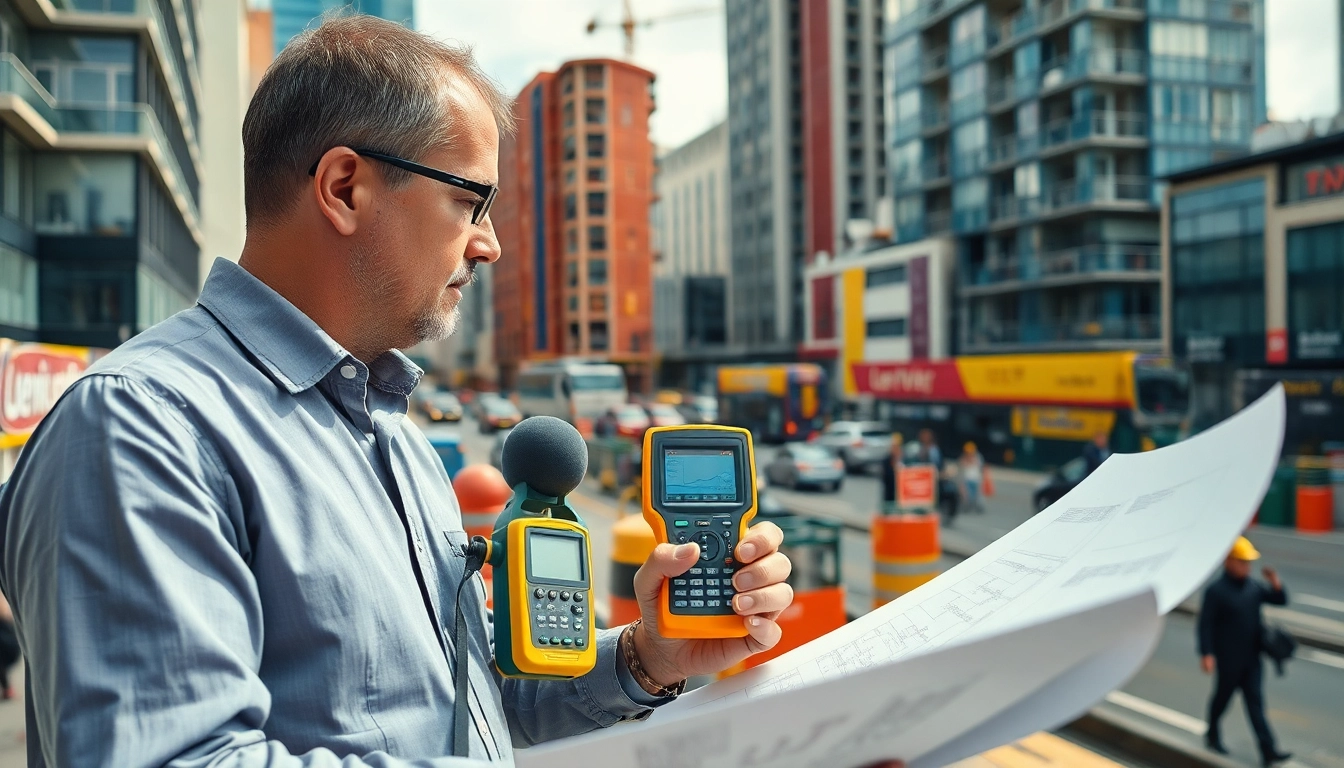
Understanding Noise Impact Assessment: Importance, Process, and Best Practices
Noise impact assessments play a critical role in various sectors, including urban planning, construction, and environmental regulation. They serve as essential tools for evaluating and managing the potential effects of noise generated from various activities, ensuring that such noise does not adversely affect the surrounding environment and communities. By undertaking a noise impact assessment, stakeholders can identify significant noise sources, predict their impact, and implement effective mitigation measures. This article delves into what noise impact assessments are, their importance, as well as the comprehensive processes and best practices for effective assessments.
What is Noise Impact Assessment?
Definition and Purpose of Noise Impact Assessment
A noise impact assessment (NIA) is a detailed evaluation that aims to quantify and analyze the potential effects of noise produced by a specific development project or activity on surrounding communities and environments. The primary purpose of an NIA is to determine whether the noise levels associated with a project would exceed acceptable thresholds and to recommend measures to mitigate any adverse effects resulting from noise pollution.
NIAs are crucial for ensuring compliance with local, state, or federal noise regulations and for addressing concerns raised by community stakeholders. They help project developers understand the importance of noise management and allow them to anticipate potential legal and social challenges related to noise exposure.
Key Components of a Noise Impact Assessment
To conduct a comprehensive noise impact assessment, several key components must be considered:
- Baseline Noise Measurement: Establishing baseline noise conditions in the area before any project commencement through strategic data collection using sound level meters.
- Noise Source Identification: Identifying potential noise-generating activities associated with the project, such as construction, traffic, or operational activities.
- Noise Prediction Modeling: Using specific software tools to model expected noise levels based on identified sources, meteorological data, and topographical features.
- Impact Evaluation: Assessing how predicted noise levels compare with regulatory limits and determining whether residents or other sensitive receivers could be adversely affected.
- Mitigation Strategies: Proposing specific methods to reduce noise impacts, such as sound barriers, operational changes, or land use planning.
- Documentation and Reporting: Compiling all findings and analyses into a clear and concise report to inform stakeholders and regulatory authorities.
When is a Noise Impact Assessment Needed?
A noise impact assessment may be required in several scenarios, including:
- New Developments: Projects such as residential, commercial, or industrial developments often require an NIA to assess their potential impact on surrounding neighborhoods.
- Major Renovations or Expansions: Existing facilities that are undergoing renovations or expansions may need an NIA to understand how increased activities will affect local noise environments.
- Public Infrastructure Projects: Road construction, rail projects, and airport expansions typically mandate NIAs to evaluate potential noise impacts on nearby residents and ecosystems.
- Compliance with Regulatory Requirements: Governments and local authorities often mandate NIAs as part of the environmental review process for specific permits or licenses.
Conducting a Noise Impact Assessment
Process Overview: Steps in a Noise Impact Assessment
The process of conducting a noise impact assessment involves several structured steps:
- Project Scope Definition: Clearly define the scope of the assessment, including the project's boundaries, timelines, and objectives.
- Baseline Noise Survey: Conduct an initial survey to measure existing noise levels at various times of the day and week, capturing typical fluctuations.
- Modeling and Prediction: Use established acoustical modeling techniques to predict noise levels from planned activities and compare these levels to baseline measurements.
- Evaluation of Noise Impact: Assess the severity of predicted noise levels, considering sensitive receivers such as homes, schools, and hospitals that may be affected.
- Mitigation Planning: Formulate noise reduction strategies to minimize any identified adverse impacts, ensuring compliance with local regulations.
- Final Reporting: Compile a comprehensive report detailing methodologies, results, and recommendations for stakeholders.
Tools and Techniques for Noise Measurement
Effective noise assessment relies on various tools and techniques, including:
- Sound Level Meters: Portable devices that accurately measure sound levels in decibels (dB). These are crucial for both baseline data collection and ongoing monitoring.
- Noise Dosimeters: Wearable devices used to measure individual exposure to noise over time, useful for understanding the cumulative impact on sensitive receivers.
- Acoustic Modeling Software: Advanced simulation tools that calculate and predict noise propagation and impact based on variables such as terrain and surface reflectivity.
- Geographic Information Systems (GIS): Mapping technology that visualizes noise exposure and helps stakeholders understand spatial relationships between noise sources and sensitive areas.
Analyzing Data from Noise Impact Assessments
Once data is collected, thorough analysis is essential to draw meaningful conclusions:
- Statistical Analysis: Use statistical techniques to summarize and compare data sets, identifying patterns and anomalies in noise levels.
- Comparative Studies: Assess noise data against established regulatory limits to determine compliance and potential impacts on affected populations.
- Visualization Tools: Consider graphical representations like maps and charts to communicate findings effectively to stakeholders, aiding in public understanding and acceptance.
Regulations and Standards for Noise Impact Assessment
Relevant Laws Governing Noise Impact Assessment
No comprehensive discussion of noise impact assessments would be complete without understanding the regulatory framework that governs them. Various laws and ordinances at the federal, state, and local levels mandate assessments for new developments:
- National Environmental Policy Act (NEPA): Federal law that requires environmental assessments for projects utilizing federal funding.
- Local Zoning Laws: Municipal codes that specify permissible noise levels for different land uses and often require NIAs for residential or commercial developments.
- Occupational Safety and Health Administration (OSHA) Standards: Regulate acceptable noise exposure limits for workers, influencing assessments related to industrial operations.
International Standards in Noise Impact Assessment
International organizations have developed standards to guide noise impact assessments, such as:
- ISO 1996: The International Organization for Standardization (ISO) provides standards for assessing and measuring environmental noise, ensuring consistent methodologies worldwide.
- European Union Directives: The EU has enacted directives that mandate noise assessments and management plans in member states, emphasizing the protection of public health.
Local Authority Requirements for Noise Impact Assessment
Local authorities often have their specific guidelines for conducting noise impact assessments that practitioners must adhere to. These can include:
- Noise Ordinances: Municipal noise control ordinances that outline permissible sound levels, particularly during specific hours.
- Public Participation: Requirements for community engagement in the assessment process, ensuring that local voices are heard and considered.
Challenges in Noise Impact Assessment
Common Issues Faced During Noise Impact Assessment
Conducting a noise impact assessment is not without challenges. Common issues can include:
- Data Collection Limitations: Obtaining consistent and representative data can be difficult due to varying environmental conditions and limitations in equipment.
- Stakeholder Opposition: Resistance from local communities or interest groups may arise, complicating the assessment process and leading to potential delays.
- Regulatory Complexity: Navigating the myriad of local, regional, and federal laws can be cumbersome, often requiring legal expertise.
Mitigation Strategies for Noise Impact Assessment
To address challenges effectively, multiple mitigation strategies can be employed:
- Engagement with Stakeholders: Early and open communication with community members and stakeholders to address concerns and gather feedback can enhance the legitimacy of the assessment process.
- Implementation of Noise Barriers: Installing sound walls or vegetation can significantly reduce noise transmission to sensitive areas.
- Time Restrictions on Noisy Activities: Scheduling construction activities during less disruptive times can minimize impacts on residents.
Stakeholder Engagement in Noise Impact Assessment
Effective stakeholder engagement is critical for successful noise impact assessments:
- Public Meetings: Hosting information sessions or workshops to provide updates and gather community feedback can foster transparency and trust.
- Regular Updates: Keeping stakeholders informed of assessment progress and changes to proposed activities or mitigation efforts contributes to ongoing community dialogue.
Future Trends in Noise Impact Assessment
Technological Advancements in Noise Monitoring
The noise assessment field is witnessing rapid technological advancements. Some trends include:
- Smart Sensors: Utilizing Internet of Things (IoT) technology for real-time noise monitoring and data transmission enhances the scope and accuracy of assessments.
- Mobile Applications: Apps that allow citizens to report noise disturbances are empowering communities to participate actively in noise management.
The Role of Artificial Intelligence in Noise Impact Assessment
Artificial intelligence (AI) is poised to transform noise impact assessments significantly:
- Data Analysis: AI algorithms can analyze vast amounts of noise data more quickly than traditional methods, providing nuanced insights for decision-making.
- Predictive Modelling: Advanced models combining AI and acoustic data can forecast noise impacts with greater precision, enhancing planning efforts.
Preparing for Evolving Regulatory Landscapes in Noise Impact Assessment
As awareness regarding noise pollution grows, so too do the regulatory requirements surrounding it. Future considerations include:
- Adapting to Stricter Regulations: Professionals will need to stay abreast of changes in legislation and evolving best practices to ensure compliance and protect public health.
- Sustainability Considerations: Integrating sustainable practices into noise assessments will be vital as communities strive for greener solutions and a higher quality of life.
In conclusion, a comprehensive noise impact assessment is a vital component of responsible project planning and development. By acknowledging the importance of assessing noise impacts, understanding the process of conducting effective assessments, and embracing future trends, stakeholders can ensure better community outcomes and compliance with regulatory standards. This holistic approach ultimately fosters a more harmonious balance between development and the environments in which we live and work.