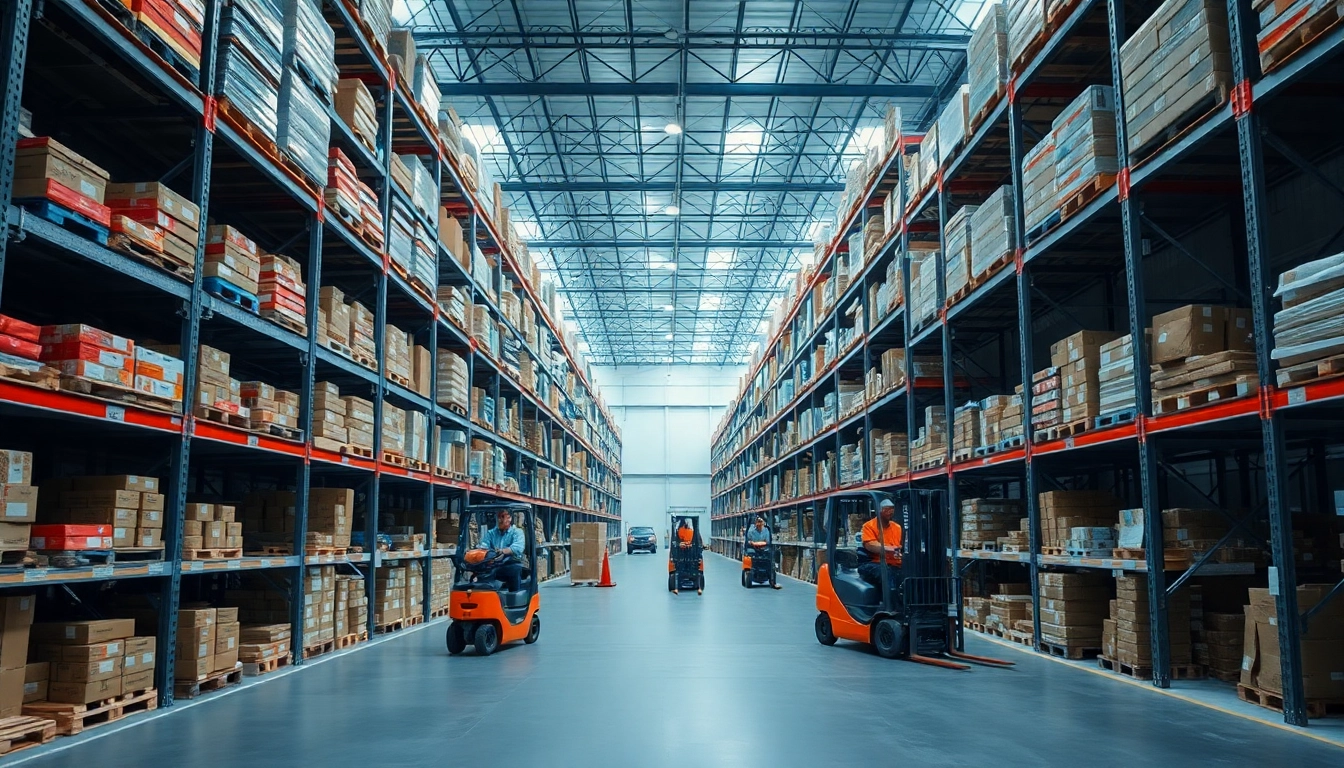
Introduction to Warehousing
In the complex world of supply chains, warehousing plays a pivotal role in ensuring that products are stored and managed efficiently until they are ready for distribution. A warehouse is not just a mere structure for storing goods; it is a crucial part of the production and retail ecosystems, impacting everything from inventory management to customer satisfaction. Understanding the fundamentals of warehousing helps businesses streamline their operations and enhance their supply chain strategies.
Defining Warehousing
Warehousing refers to the process of storing goods that are intended for sale or distribution. This function is essential to manage supply and demand, where products are kept until they are needed by the end-user. A warehouse is typically a large building that may house various types of goods, including raw materials, finished products, and even perishables. The main objective of warehousing is to ensure that products are available when they're needed while minimizing holding costs.
The Role of Warehousing in Supply Chain
Warehousing is a central component of supply chain management. It enables businesses to control their inventory levels effectively and maintain their operations without interruption. By acting as a buffer between manufacturers and consumers, warehousing helps mitigate risks associated with demand volatility. Here are some key roles that warehousing fulfills in the supply chain:
- Inventory Storage: Warehouses provide a controlled environment for products, reducing the risk of damage, spoilage, or theft.
- Order Fulfillment: Warehouses streamline the process of picking and packing orders efficiently, allowing businesses to meet customer demands promptly.
- Transportation Coordination: Warehouses serve as hubs for the effective management of incoming and outgoing deliveries, facilitating smoother logistics operations.
- Seasonal Stockpiling: During peak seasons, warehousing allows businesses to stockpile goods, ensuring that they can meet increased demand without long lead times.
Types of Warehousing Explained
There are various types of warehousing solutions tailored to specific business needs. Each type offers unique advantages based on the nature of the goods being stored and the operational requirements. Here are the main types of warehousing:
- Public Warehousing: These facilities are owned by third-party providers and are available for rent. They are ideal for companies that do not want the overhead costs associated with maintaining their own facilities.
- Private Warehousing: Owned and operated by a company for its own storage needs, these warehouses are suitable for businesses with consistent inventory levels.
- Distribution Centers: Focused on the efficient movement of goods, these centers are designed for fast receipt, processing, and delivery of products directly to retailers or consumers.
- Climate-Controlled Warehouses: Used for perishable goods or materials sensitive to temperature and humidity, these warehouses maintain specific environmental conditions.
Key Functions of Warehousing
Warehousing is not just about storing goods; it involves a series of functions that work together to enhance productivity and efficiency. Understanding these key functions can help companies optimize their warehousing strategies.
Storage and Inventory Management
One of the primary functions of warehousing is effective storage and inventory management. This process includes:
- Inventory Control: Keeping accurate records of stock levels to minimize shortages and excess inventory.
- Stock Rotation: Implementing FIFO (First In, First Out) or LIFO (Last In, First Out) methods to manage product expiration dates and ensure freshness.
- Space Optimization: Utilizing vertical space and efficient layout designs to maximize storage capacity and reduce costs.
Order Fulfillment Processes
Order fulfillment involves a series of steps from receiving an order to shipping the product to the customer. Effective order fulfillment processes in warehousing include:
- Picking: The process of retrieving specific items from inventory based on customer orders.
- Packing: Preparing the items for shipment by securely packaging them to prevent damage during transit.
- Shipping: Coordinating the dispatch of goods to the customer through preferred carriers while optimizing routes and delivery times.
Shipping and Distribution Logistics
Shipping logistics is an essential function of warehousing that involves planning, implementing, and controlling the movement of products. Key aspects include:
- Carrier Management: Selecting and managing relationships with shipping carriers for optimized costs and delivery service.
- Route Optimization: Utilizing technology to determine the most efficient routes to reduce shipping times and costs.
- Tracking and Monitoring: Implementing systems to track shipments in real-time, enhancing transparency and customer communication.
Benefits of Effective Warehousing
Implementing effective warehousing practices brings numerous benefits to businesses. These advantages can lead to enhanced operational efficiency and improved profitability.
Cost Savings through Optimization
Effective warehousing practices can result in significant cost savings in several areas:
- Reduced Labor Costs: By automating processes and optimizing workflows, warehouses can reduce the need for excessive labor, leading to lower operational costs.
- Minimized Holding Costs: Efficient inventory management ensures that products are neither overstocked nor understocked, reducing costs associated with warehousing inefficiencies.
- Lower Transportation Costs: Consolidating shipments and optimizing delivery routes can lead to lower freight expenses.
Streamlined Operations and Workflow
A well-structured warehousing operation enhances the overall workflow within the supply chain, leading to:
- Improved Productivity: Streamlined processes and effective use of technology help improve workers’ productivity by allowing them to focus on value-adding tasks.
- Faster Order Fulfillment: Efficient warehousing processes lead to quicker order picking and shipping, which improves customer service.
- Enhanced Flexibility: Ability to adapt to changing market demands and customer preferences quickly.
Improved Customer Satisfaction
Effective warehousing directly impacts customer experience, as seamless operations translate into:
- Faster Delivery Times: Efficient handling and shipping processes mean that customers receive their orders promptly.
- Accurate Order Fulfillment: Reducing errors in picking and shipping enhances the overall reliability of service.
- Better Communication: Improved tracking can provide customers with real-time updates about their orders, enhancing transparency.
Challenges in Warehousing
Despite the numerous benefits of effective warehousing, several challenges can hinder optimal performance. Understanding these challenges is crucial for developing effective strategies to overcome them.
Managing Inventory Fluctuations
Inventory management is often at the heart of warehousing challenges. Companies must deal with:
- Demand Variability: Changes in consumer demand can lead to either excess inventory or stockouts, affecting sales and customer satisfaction.
- Seasonality: Some businesses experience peak seasons that require significant inventory management adjustments.
Solutions include using inventory management software that leverages real-time data and analytics to forecast demand accurately.
Safety and Compliance Issues
Warehousing operations must adhere to various safety regulations and standards. Common challenges include:
- Workplace Safety: Ensuring that facilities are safe for employees to minimize accidents and injuries.
- Regulatory Compliance: Abiding by local, state, and federal regulations concerning inventory storage, handling, and distribution.
To address these challenges, regular safety training, audits, and compliance checks can be implemented.
Technology Integration in Warehousing
While technology offers numerous benefits, its integration into warehousing processes can also pose challenges, such as:
- Implementation Costs: The upfront investment in automation and warehouse management systems can be substantial.
- Training Needs: Employees must be trained to use new technologies effectively to maximize their benefits.
To mitigate these challenges, companies can adopt phased approaches to technology implementation, ensuring adequate resources for training and transition.
Best Practices for Modern Warehousing
To navigate the complexities of warehousing and maximize its effectiveness, businesses can adopt several best practices that promote efficiency and productivity.
Implementing Efficient Systems
To streamline operations, companies should consider systems that enhance productivity, including:
- Warehouse Management Systems (WMS): These systems help manage inventory, optimize storage, and streamline order fulfillment processes.
- Automated Handling Systems: Implementing automation for picking, packing, and sorting can significantly increase operational speed and reduce errors.
- Lean Warehousing Principles: Adopting lean principles can minimize waste and improve the efficiency of warehousing processes.
Training and Empowering Staff
A well-trained workforce is crucial for successful warehousing operations. Key strategies include:
- Continuous Training Programs: Offering regular training sessions can keep employees updated on best practices and safety protocols.
- Empowering Employees: Encouraging employees to participate in decision-making can lead to innovative approaches to warehousing challenges.
- Creating a Safety Culture: Prioritizing safety training increases employee awareness and reduces workplace accidents.
Using Data Analytics for Better Decisions
Data analytics can provide insights that drive better decision-making in warehousing. Effective practices include:
- Performance Metrics: Establishing KPIs such as order accuracy, turnaround time, and inventory turnover can help gauge operational effectiveness.
- Predictive Analysis: Leveraging data analytics tools to forecast inventory needs and adjust stocking strategies accordingly can improve supply chain responsiveness.
- Customer Insights: Analyzing customer purchasing behaviors can inform inventory management and help meet market demands more precisely.