

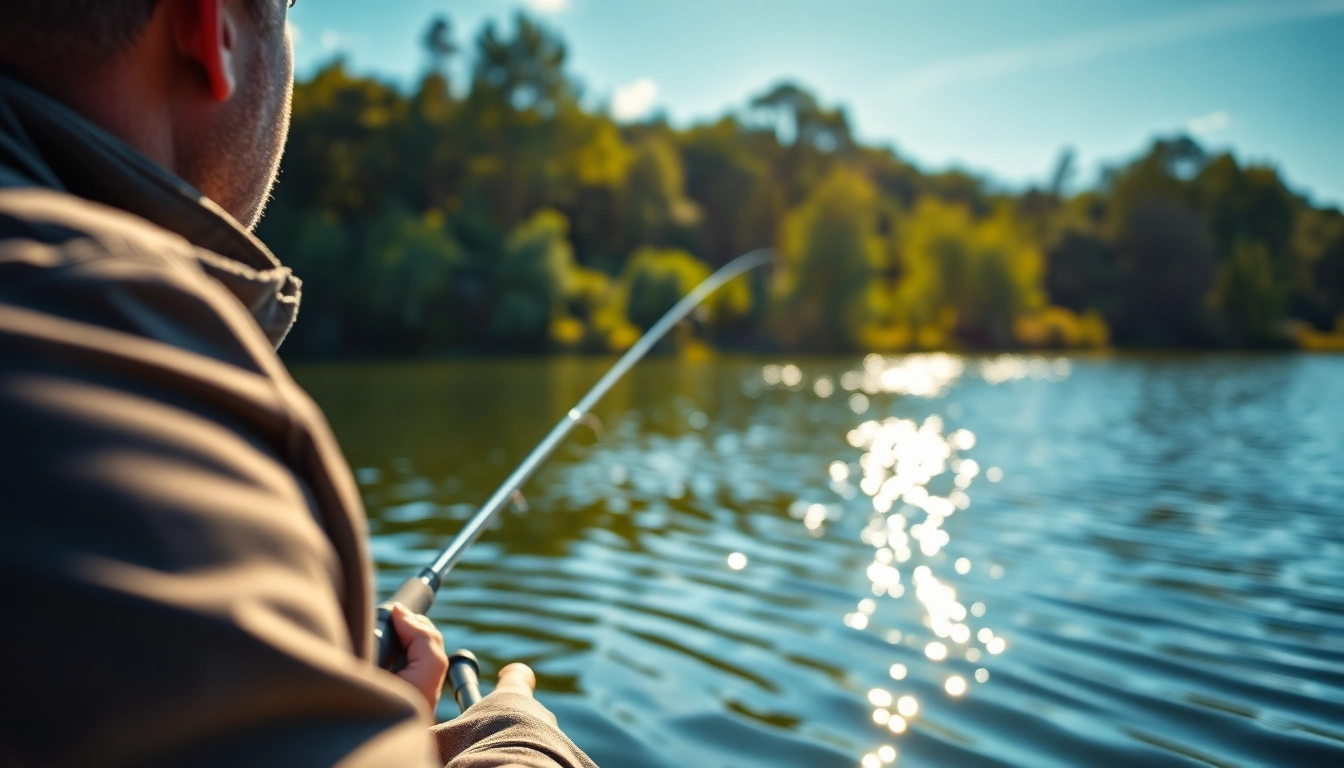
Understanding Fly Fishing for Bass
Introduction to Fly Fishing for Bass
Fly fishing offers a unique challenge and an exhilarating way to connect with nature, particularly when targeting bass. As a popular sport fish across North America, bass are notorious for their aggressive behavior and can be caught using various techniques, making them an ideal target for fly anglers. If you’re eager to experience the thrill of Fly fishing for bass, a preparation grounded in understanding fish behavior, the environment, and equipment is crucial.
The Benefits of Fly Fishing vs Conventional Fishing
Fly fishing distinguishes itself from conventional bait fishing in several ways. First, the use of artificial flies allows for a more engaging and dynamic fishing experience. While conventional fishing usually relies on lures or live bait, fly fishing enables anglers to intrigue fish with the presentation of their flies, mimicking various prey at different life stages. Furthermore, fly fishing encourages a greater connection with the environment, as the casting and retrieval techniques require awareness of water currents, species feeding habits, and seasonal changes.
There are also practical benefits to fly fishing. With the right setup, fly rods are lighter and facilitate casting in tighter spaces, allowing anglers to access more challenging fishing spots where conventional techniques might fall short. The mental aspect of tying your flies, planning, and executing a strategy adds a fulfilling layer to the activity.
Common Bass Species Targeted with Flies
When it comes to bass fishing, two primary species often sought after are largemouth bass and smallmouth bass. Largemouth bass, characterized by their distinct jawline and darker color patterns, thrive in warmer waters and often inhabit lakes, ponds, and rivers with abundant vegetation and cover. On the other hand, smallmouth bass are commonly found in cooler, clearer waters such as streams and rivers and are recognized for their fighting spirit and adaptability.
Both species not only provide a thrilling catch but also show responsiveness to various fly patterns that imitate their natural prey, such as minnows, crayfish, and frogs. By understanding the habits of these bass species, anglers can effectively plan their fly fishing approach.
Essential Gear for Fly Fishing for Bass
Choosing the Right Rod and Reel Setup
When gearing up for fly fishing for bass, selecting the right rod and reel is paramount. Typically, a rod in the 6 to 8-weight range is recommended, which provides the necessary backbone without sacrificing flexibility. Rods made from graphite or composite materials offer lightweight and strong options that can handle the aggression of a bass during combat.
Equally important is the selection of a matching reel that should feature a reliable drag system to manage powerful runs of bass effectively. A large-arbor design is highly preferable, as it improves line retrieval rates and minimizes memory issues that could lead to tangles during casting.
Fly Selection: Types of Flies for Bass
Successful bass fly fishing hinges upon a well-curated fly selection. Common fly patterns that work well for bass include:
- Streamers: These mimic baitfish and can be retrieved in various ways to evoke predatory instincts.
- Popper Flies: Ideal for surface fishing, poppers create noise and disruption, enticing bass to strike.
- Crayfish Patterns: Essential in areas where bass hunt for crustaceans, especially during molting seasons.
- Topwater Patterns: Create excitement on the surface and attract aggressive strikes.
Seasonality, water clarity, and baitfish activity should guide your fly selection, ensuring you have the right tools to attract and maintain attention from their quarry.
Important Accessories and Their Uses
Additional gear enhances the fly fishing experience. Key accessories include:
- Floating Line: Essential for dry flies and poppers, allowing for effective surface presentations.
- Sinking Line: Ideal for reaching deeper waters where bass may lurk, especially during hotter months.
- Leader and Tippet Material: A tapered leader (60/20/20 rule) enhances casting performance and ensures stealth in clear water.
- Forceps and Hemostats: Necessary for safely removing hooks from fish, minimizing injury, and ensuring quick releases.
Techniques for Successful Fly Fishing for Bass
Fundamental Casting Techniques
Mastering casting is crucial to successfully targeting bass with flies. The basic casting stroke involves a smooth, controlled backcast followed by a forward cast. A common mistake is overpowering the forward cast, which can lead to tangles and ineffective presentations.
Practice with variations in casting distances, angles, and line control to develop confidence and finesse. Practicing roll casts can also be beneficial in tight conditions, allowing for efficient presentations without backcasting space.
Effective Retrieval Methods
Effective retrieval techniques can make a significant difference in enticing bass. Depending on water temperature and fish behavior, consider utilizing a variety of retrieval methods, such as:
- Strip Retrieve: Pulling the line in short, repeated bursts is particularly effective for streamers.
- Pumping Retrieve: Imparting action to the fly by lifting and lowering the rod tip helps present the fly more dynamically.
- Dead Drift: Allowing the fly to drift naturally in current can prove advantageous, particularly for nymph and wet fly presentations.
Understanding Seasonal Fishing Patterns
Different seasons bring unique challenges and opportunities for bass fishing. Understanding these patterns will aid in planning successful fishing trips. In warmer months, focus on shallow waters in early morning and late evening when bass are actively feeding. In contrast, during late fall and winter, bass often retreat to deeper structures. Monitoring water temperature and clarity will further enhance your timing and adjust your tactics accordingly.
Engaging with online fishing forums and local reports can provide insights on the most productive periods, increasing your chances of a successful outing.
Locations Ideal for Fly Fishing for Bass
Best Lakes and Rivers for Bass Fly Fishing
Finding suitable locations greatly influences your fishing success. Look for lakes and rivers known for consistent bass populations. Typically, regions featuring abundant cover such as lily pads, fallen trees, and rocky structures present fruitful fishing opportunities. Popular freshwater lakes often provide access to both largemouth and smallmouth bass.
It’s essential to scout local bodies of water ahead of time, consulting fishing reports, or digital resources to identify the waters currently yielding successful catches.
Finding Cover and Structure
When fishing for bass, understanding their home environment can provide clues for successful fishing locations. Bass thrive in areas with natural cover such as weeds, downed trees, and rocky outcrops where they can ambush prey. Identifying these structures using maps and local knowledge can elevate your game, making sure you are casting in the right spots.
Seasonal Hotspots: Where to Go When
Fishing conditions can vary based on seasonal changes. During spring, look for shallow spawning grounds where bass congregate. In summer, deeper waters provide relief from the heat, while fall brings bass back into shallower waters to feed on baitfish. Winter may shift bass behavior into deeper structures where they become less active but still accessible with proper techniques. Your success is largely influenced by your understanding of these seasonal patterns.
Frequently Asked Questions about Fly Fishing for Bass
What flies are best for catching bass?
Top flies include streamers, poppers, and crayfish patterns. Streamers imitate baitfish, while poppers attract attention on the surface. Adjust your selection based on water conditions and bass behavior.
How do I improve my casting technique?
Practice your casting regularly, working on both the backcast and forward cast. Utilization of tools such as casting videos or one-on-one lessons can also enhance technique efficiency.
When is the best time to fish for bass on the fly?
Early morning and late evening during warmer months are prime times for fishing bass. In cooler months, target deeper water during mid-day when the sun rises.
Can I use the same gear for freshwater and saltwater bass fishing?
While some gear may be interchangeable, ideally, use equipment specifically designed for either freshwater or saltwater to ensure optimal performance and durability against environmental factors.
What are the common mistakes beginners make?
Common mistakes include improper casting technique, not matching flies to local prey, and neglecting water temperature. Education, practice, and observation greatly mitigate these errors.