

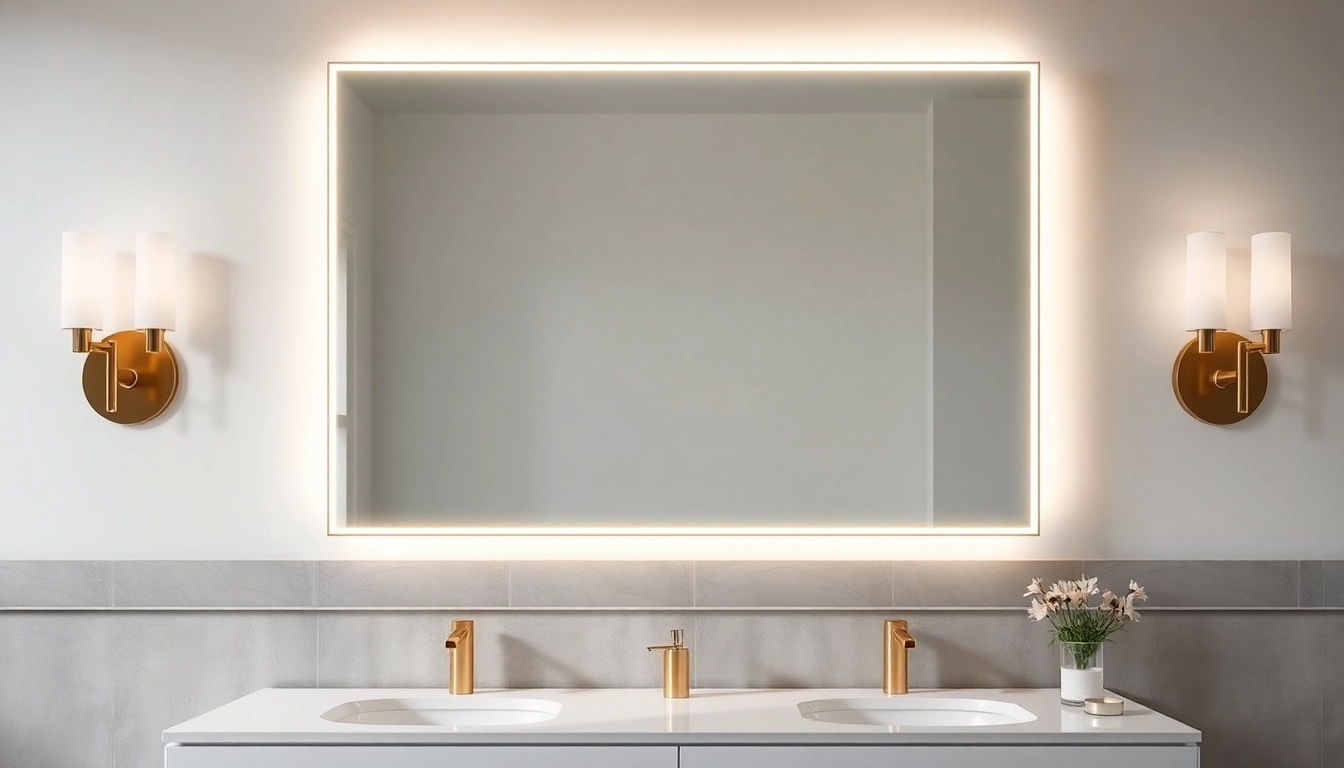
Understanding the Importance of an Elegant Bathroom Mirror
When designing a bathroom, the mirror is often an afterthought, yet it plays a critical role in both functionality and aesthetics. An elegant bathroom mirror can not only enhance the space visually but also improve the overall user experience. Let’s dive into why mirrors are essential components in bathroom design.
Role of Mirrors in Bathroom Design
The bathroom is one of the few spaces in a home where functionality and design meet at their peak. A well-chosen mirror reflects style, complements fixtures, and helps in maintaining an overall design theme. Whether you choose a classic or modern design, the right mirror can become a striking focal point. It not only fulfills practical purposes, like grooming and hygiene but also completes the ambiance of the room, making it feel more inviting.
Impact on Space Perception
Mirrors have the magical ability to manipulate the perception of space. In smaller bathrooms, an elegant bathroom mirror can create illusions, making an enclosed space appear larger and airier. Proper placement of mirrors can reflect light and provide the illusion of depth, brightening dark corners and enhancing the feel of openness. Strategically positioned mirrors can also bounce natural light, maximizing brightness during the day and reducing the need for artificial lighting.
Functional Benefits of Elegant Bathroom Mirrors
Beyond their aesthetic appeal, mirrors serve numerous functional benefits. They are essential for daily grooming tasks, offering the necessary reflections for applying makeup, shaving, or checking outfits. Incorporating features like fog-resistant surfaces or integrated lighting can further enhance their usability, ensuring they always provide clarity regardless of bathroom moisture. The right mirror also adds layers to the space; for example, backlit mirrors provide soft illumination while adding intrigue to the design.
Types of Elegant Bathroom Mirrors Available
Framed vs. Frameless Designs
When considering an elegant bathroom mirror, one of the first choices you’ll face is framed versus frameless designs. Framed mirrors often provide a more traditional or rustic aesthetic, offering a variety of frame materials and colors to match existing décor. They can highlight specific design elements and enhance the overall theme. On the other hand, frameless mirrors offer a sleek, modern look, emphasizing minimalism and creating an uninterrupted sense of space. Each option has its own advantages, and understanding your home’s style will help in making the best choice.
LED Lighted Mirrors: Pros and Cons
LED lighted mirrors are becoming increasingly popular due to their multifunctionality. On the positive side, they provide consistent illumination, ideal for grooming tasks like applying makeup or shaving. Many also come with features such as dimming capabilities, touch-sensitive controls, or color temperature adjustments to suit different times of the day. Conversely, these mirrors may require electrical installation, which can be a deterrent for some. Additionally, while they add modern appeal, they may not seamlessly fit into classic-style bathrooms.
Unique Styles and Shapes
Beyond the classic rectangle or circle, the market offers an array of unique styles and shapes to choose from. Oval and asymmetric designs provide a contemporary twist, while industrial styles with raw finishes introduce an edgy aesthetic. Each shape can evoke different feelings and contribute diversely to the bathroom’s overall character. For instance, a large round mirror can soften sharp angles in a modern bathroom, while a rectangular mirror can create clean lines that complement geometric patterns.
Considerations When Choosing an Elegant Bathroom Mirror
Size and Proportion for Your Space
Choosing the right size mirror is critical. A mirror that is too large can overwhelm a smaller bathroom, while one that is too small could appear lost against vast wall spaces. A general rule of thumb is for the mirror to be 2/3 the width of the vanity. Additionally, consider the height; a tall mirror can draw the eye upward, creating a sense of height, while a wider one can make the space feel broader. Balancing scale is essential for a well-composed design.
Material Durability and Maintenance
Mirrors come in various materials that affect durability and maintenance. For instance, a glass mirror can be elegant but may require careful handling due to its fragility. On the contrary, acrylic or polycarbonate options are lighter and more durable but may lack the same elegance. Additionally, reflective coatings and treatments can help resist fog, staining, or scratches. Understanding the material helps in selecting a mirror that not only fits your design aesthetic but also suits your lifestyle and maintenance preferences.
Matching with Existing Decor
To achieve a cohesive look in your bathroom, matching your mirror with existing décor is crucial. This includes considering the color palette, textures, and other design elements. For example, a sleek metal-framed mirror can enhance modern chrome fixtures, while a wooden frame could work beautifully with rustic cabinetry. The aim is to make the mirror feel like a harmonious extension of the space rather than an added feature.
Installation and Placement Tips for Elegant Bathroom Mirrors
Optimal Height and Positioning
Installing a bathroom mirror at the correct height can significantly affect usability. A common recommendation is to position mirrors so that the center is approximately 5 to 6 feet from the floor, allowing for comfortable viewing by most adults. When using double sinks, consider placing mirrors at equal heights for balanced aesthetics. Pay attention to the alignment with other elements, ensuring that the symmetry enhances the overall space.
Electrical Considerations for Lighted Mirrors
If you’ve chosen an LED mirror, electrical installation is a must. Ensure that your electrical work complies with local codes and standards, especially in a bathroom where moisture is prevalent. A qualified electrician can help with hardwiring the mirror, optimizing functionality and safety. It’s also essential to consider accessibility for potential bulb replacements or fixture maintenance.
DIY Installation vs. Professional Help
While DIY installation may be tempting, especially for standard mirrors, it’s essential to evaluate your skills and the complexity of the project. For weighty framed mirrors or those with electrical components like LED lighting, professional installation is often recommended. A professional can ensure correct mounting and stability, preventing potential accidents later on.
FAQs About Elegant Bathroom Mirrors
What size mirror do I need for my bathroom?
A good general guideline is that the mirror should be approximately 2/3 the width of your vanity and eye level for best functionality and aesthetics.
How do I clean my elegant bathroom mirror?
Use a glass cleaner and a microfiber cloth for streak-free cleaning. Avoid ammonia-based products which can damage reflective coatings.
Can I install an LED mirror myself?
It depends on your experience with electrical installations. While some may choose DIY, hiring a qualified electrician for hardwired LED installations is safer.
What is the best style of mirror for a small bathroom?
For small bathrooms, opt for larger mirrors to create a sense of space. Round or frameless designs often help avoid harsh lines, enhancing openness.
How can I match my mirror with my bathroom decor?
Select mirrors that complement the color scheme and material finishes in your bathroom, ensuring they resonate with the overall design theme for harmony.