Understanding Chef's Knives
What is a Chef's Knife?
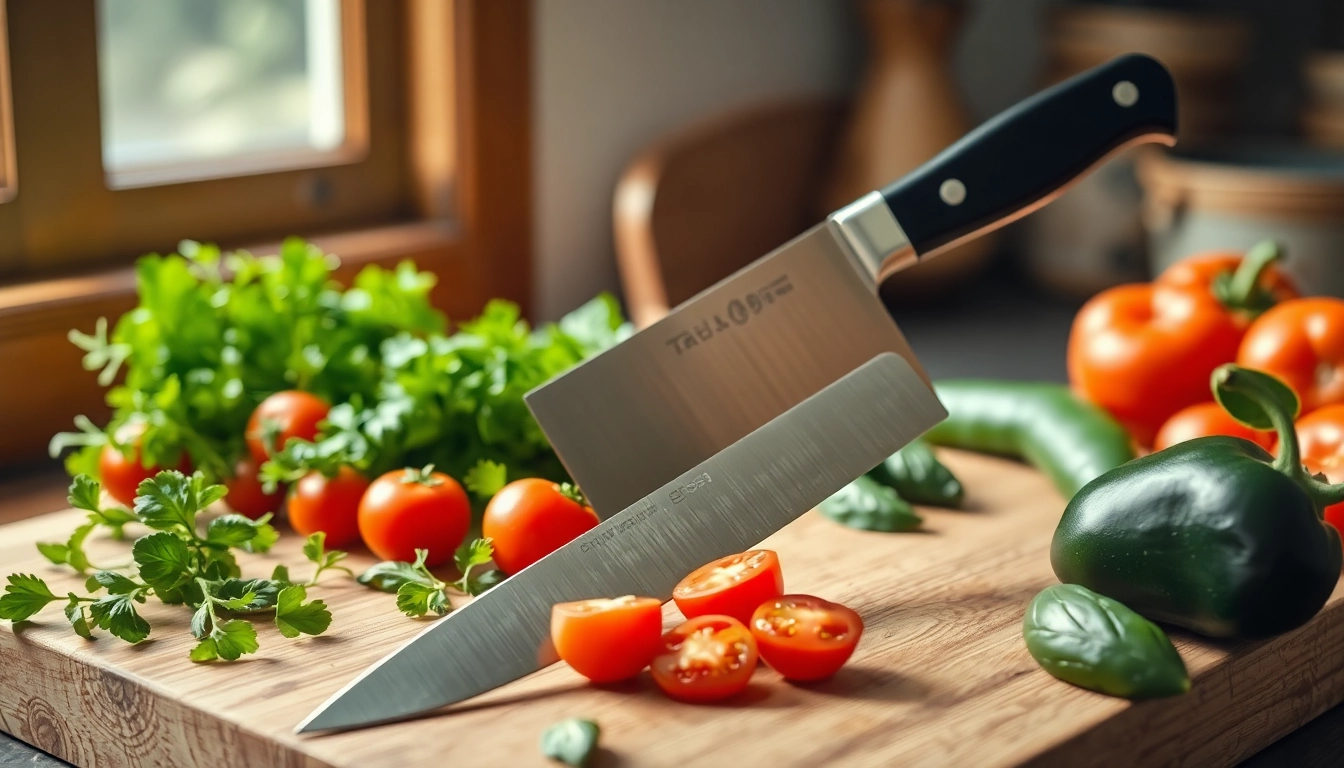
A chef's knife is a versatile kitchen tool designed for a variety of cutting tasks. Typically, it features a blade length of 8 to 10 inches and is known for its wide, tapered shape, which allows for precise chopping, slicing, and dicing. Unlike specialized knives, the chef's knife is an all-rounder, suitable for preparing a wide range of ingredients, from meat to vegetables.
Key Features of a Chef's Knife
What makes a chef's knife a staple in the kitchen? Several features contribute to its efficiency and effectiveness:
- Blade Shape: The curved edge allows for rocking motion, enhancing cutting ease.
- Thickness: A thicker blade is typically sturdier, while thinner blades allow for more precision.
- Heel: The heel of the knife handles tougher chopping tasks, while the tip is great for delicate work.
- Bolster: This thick section between the blade and handle provides balance and enhances safety.
Common Materials Used in Chef's Knives
The material of both the blade and the handle greatly affects performance. Here are the most common options:
- Stainless Steel: Highly resistant to rust and corrosion, making it a popular choice among home cooks.
- High Carbon Steel: Known for its sharpness and edge retention but requires more maintenance to prevent rust.
- Ceramic: Lightweight and durable, ceramic blades maintain sharpness longer but can chip easily.
- Composite Materials: These blends aim to combine the best properties of several materials, providing durability and comfort.
Factors to Consider When Choosing a Chef's Knife
Weight and Balance
The weight and balance of a chef's knife are crucial for achieving a comfortable cooking experience. A knife that is too heavy can cause fatigue, while one that is too light may lack the heft needed for effective chopping. Ideally, a chef's knife should feel balanced in the hand, allowing for easy manipulation without undue strain.
Blade Material and Sharpness
When it comes to blade material, the sharpness is paramount. A sharper blade enhances precision while minimizing the effort required for cutting. Pay attention to the knife's factory grinding and consider options for future honing or sharpening. Regular maintenance is necessary to keep the knife performing at its best.
Handle Comfort and Grip
The handle is often overlooked but plays a significant role in the overall user experience. A comfortable grip that fits your hand reduces fatigue during prolonged use. Consider materials like wood, plastic, or rubber, each offering distinct ergonomics and aesthetics. Look for non-slip surfaces to ensure safety while chopping.
Different Types of Chef's Knives
Classic vs. Modern Chef's Knives
Classic chef’s knives are rooted in tradition, emphasizing weight, balance, and a sturdy design. Modern variations might incorporate lightweight materials and ergonomic shapes, appealing to a new generation of home cooks. Your choice should reflect personal style, cooking habits, and even aesthetics.
Japanese Chef's Knives vs. Western Chef's Knives
Japanese chef's knives are known for their incredible sharpness and precision design. They often feature a thinner blade and are traditionally single-beveled, catering to the art of detailed slicing. In contrast, Western chef's knives tend to be thicker and heavier, designed for durability and versatility.
Specialty Chef's Knives
Beyond traditional chef's knives, various specialty knives exist for specific tasks. For instance, a Santoku knife is perfect for slicing vegetables and fish, while a Nakiri knife excels in precise vegetable cuts. Understanding the use of these knives can enhance your culinary skills.
Maintenance and Care
How to Properly Sharpen a Chef's Knife
Keeping your chef's knife sharp is essential for performance. The best methods include using whetstones, honing rods, or professional sharpeners. Regular honing helps maintain edge alignment, while periodic sharpening restores the blade's acute angle. Always follow the manufacturer's recommendations for best results.
Storage Solutions for Chef's Knives
Proper storage prolongs your knife’s lifespan. Consider options like magnetic strips, knife blocks, or drawer inserts designed to protect the blades. Avoid keeping knives loose in a drawer, which can lead to dullness or damage.
Cleaning and Sanitizing Your Knife
Maintaining hygiene is vital when handling food. Always wash your chef's knife by hand using mild soap and warm water. Avoid placing it in the dishwasher, as high temperatures and moisture can affect the blade and handle over time. Regular inspection of the knife for rust or damage should also be factored into cleaning routines.
FAQs About Choosing a Chef's Knife
What length chef's knife is best for home cooks?
Typically, an 8-inch chef's knife is ideal for most home cooks. It provides a versatile balance between control and cutting power, making it suitable for a range of tasks.
How do I know if a chef's knife feels right?
Hold the knife in your dominant hand and check its weight, balance, and grip comfort. A good knife should feel like an extension of your hand, allowing for smooth and effortless cuts.
Can I use a chef's knife for tasks other than chopping?
Yes, a chef's knife is versatile and can handle slicing, dicing, mincing, and even some boning tasks. It's an all-purpose tool for many kitchen needs.
What is a bolster and why is it important?
The bolster is the thick junction between the handle and blade. It provides balance, safety, and prevents the hand from slipping onto the blade during use, enhancing overall control.
How often should I sharpen my chef's knife?
Regular honing after each use is essential, while sharpening may be needed every few months, depending on usage frequency. Signs of dullness include difficulty in cutting and increased pressure needed to slice.
By considering the comprehensive factors outlined in this guide, you will be well equipped to how to choose a chef’s knife that suits your cooking style and enhances your culinary experience.